
REVIEW · ORLANDO KAYAKING TOURS
Florida Bioluminescent Kayak & Paddle Board Adventure
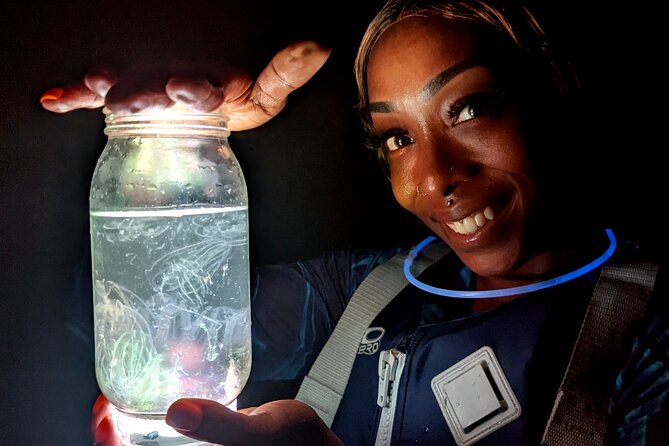
The magic here is in your hands. Stir the Indian River lagoon on a summer night and tiny dinoflagellates can flash blue around your paddle. In the cooler months, comb jellies glow beneath the surface. I like the choice of a stable hybrid kayak or paddleboard, and I like that guides such as Nate, Jess, and Jeff explain the biology rather than simply steering you through the dark.
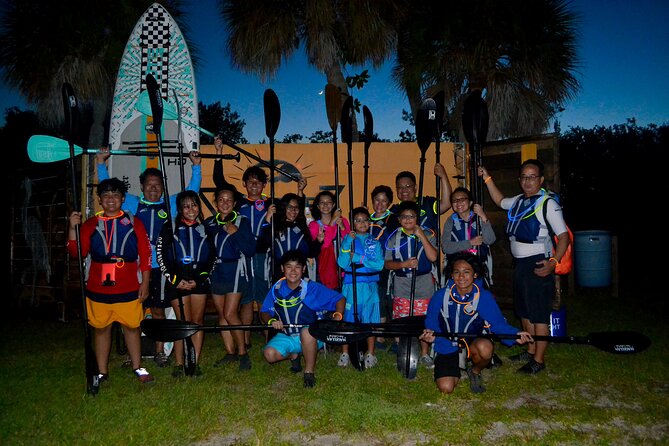
I also like the small average group of about 12 people. That keeps the outing calmer and gives you room to float, look down, and ask questions. Bug spray, photos, and waterproof phone pouches are included, which helps with the practical side. The catch is that nature controls the show. Some nights produce only faint bioluminescence, and mosquitoes can be fierce before you reach the water.
Key points to know before you book
- Summer brings glowing dinoflagellates: From May through early October, your paddle can leave blue trails in the water.
- Winter brings comb jellies: From early October or November through April, look for glowing jelly-like creatures and other night wildlife.
- October is a transition month: You may see both types of bioluminescence, or conditions may favor one.
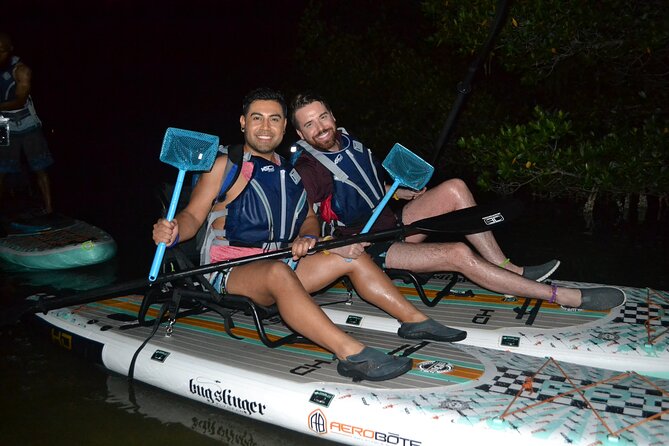
- You choose your craft: The hybrid kayak offers more comfort and stability than a traditional kayak, while the paddleboard suits people who prefer to stand.
- The tour runs about 1 hour and 45 minutes: It begins and ends at 951 Kiwanis Island Park Road in Merritt Island.
- Weather and water conditions matter: Thunder, lightning, heavy wind, and severe weather can stop the outing or cause a short delay.
The glow changes with the season
This is not one fixed show repeated all year. The time of your visit shapes what you are likely to see, so check the calendar before booking.
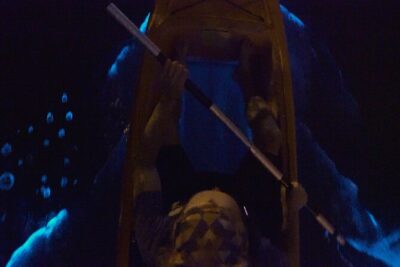
From May through early October, the main attraction is the dinoflagellates. These microscopic organisms flash when the water moves. A paddle stroke, a hand swirling through the lagoon, or a small splash can produce blue sparks. On a strong night, your paddle may seem to light up, and closing your fist around some water can create the effect of a tiny glowing fireball.
The photos used to promote bioluminescence often show intense blue light. Real conditions can be more modest. You might see scattered pinpoints, faint trails, or bright pockets in different parts of the lagoon. This is still interesting, but you should not book expecting the water to glow continuously from shore to shore.
From early October or November through April, the focus shifts to comb jellies. These are not the stinging jellyfish you may picture. Their bodies can catch the tour lighting and glow as they move through the water. The crew uses NOQUA lighting systems to help reveal comb jellies and other nocturnal life, including stingrays, puffer fish, and horseshoe crabs.
October is less predictable because it is a changeover period. You may see late-season dinoflagellates and early comb jellies. If one particular sight matters most to you, ask about current conditions before you commit to a date.
More Stand-Up Paddleboarding in Orlando
- Clear Kayak or Paddleboard Manatee Adventure
★ 4.5 · 344 reviews - Sassy’s Silver Springs Kayak and Paddleboard Tours
★ 5.0 · 229 reviews - LED Glow in the Dark Clear Kayak or Paddleboard in Paradise
★ 5.0 · 157 reviews
Leaving Orlando for the Indian River lagoon
The tour is marketed as an Orlando experience, but the actual launch point is in Merritt Island, at 951 Kiwanis Island Park Road. The drive from Orlando takes about an hour, according to the experience details and visitor accounts, while Cocoa Beach is nearby.
That drive matters when you plan your evening. Allow enough time to reach the launch point without rushing. Your ticket includes directions, and the departure point is described as easy to find, but daily launch details and weather updates can be sent through the Viator message center. Check those messages on the day of your tour, especially if you are using an international phone number.
Mosquitoes are part of the setting. Bug spray is provided, but I would still apply repellent before you leave the car and wear clothing that gives you reasonable coverage. One useful practical tip is to wait in the car until close to departure time if the insects are especially active around the launch area. They tend to be less troublesome once you are out on the water.
Choosing between a hybrid kayak and a paddleboard
You can choose a stand-up paddleboard or a stable kayak-style craft. The hybrid kayak has been praised for being more comfortable and stable than a traditional kayak, which is useful if this is your first night paddle or your first time on a kayak.
The paddleboard offers a different view. Standing puts your eyes higher above the lagoon, while sitting in the kayak may feel more secure when you are watching the dark water. You are responsible for paddling and operating your own craft, so this is an active outing, not a boat ride.
Most people can participate, but you should be ready for steady paddling and basic control of the equipment. The equipment has a maximum weight of 285 pounds. If you exceed that limit, contact the operator before booking to ask about possible arrangements.
The average group is about 12 people, with a maximum of 12. That is small enough for the guide to keep the group together and answer questions without turning the trip into a crowded procession. It also means that a nervous beginner is not left entirely on their own. Guides have helped first-time kayakers, children, parents, and grandparents enjoy the route at a comfortable pace.
What the 1-hour-45-minute outing feels like
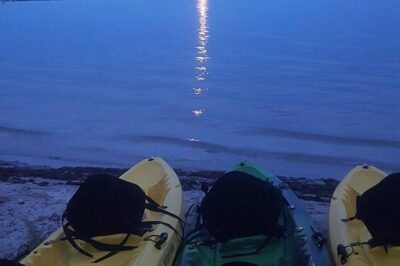
The experience starts with arrival, equipment selection, and a safety briefing. Your guide helps you get settled in your kayak or on your paddleboard before the group moves away from the launch point.
Guides such as Nate, Jess, and Jeff bring different personalities, but the common thread is attention to the local waterway. Nate has shared information about Florida’s water systems, native plants, biology, and regional history. Jess has been especially helpful with clear meeting directions and showing people what to look for in the water. Jeff has been praised for patient instruction and his explanations of local plants and wildlife.
Once you begin paddling, the trip is usually quiet and unhurried. The setting is dark, so the guide keeps the group within a safe range while allowing some freedom to look around. That balance matters. You want enough guidance to feel secure, but not so much shouting that the night loses its calm.
In summer, your guide may ask you to put your hand or paddle into the water and make small movements. Those simple actions reveal the dinoflagellates. The effect is easy to miss if you only stare at the surface, so pay attention to every swirl and stroke.
In winter, the guide may help you spot comb jellies using the lighting systems. You may also see other nighttime creatures moving below or near your craft. Dolphins have occasionally been heard or spotted during an outing, but wildlife is never guaranteed, so treat any extra sighting as a bonus rather than part of the promise.
The trip ends back at the launch point. Photos of the excursion are included. To access them, use the Memories tab on the operator’s website, and contact the company directly if the images do not appear promptly.
More Stand-Up Paddleboarding in the USA
- Orlando: Clear Kayak and Paddleboard 2-Hour Rental
★ 4.6 · 26 reviews - Orlando: LED Night Glow Clear Kayak or Paddleboard Tour
★ 4.7 · 15 reviews - Dolphin and Manatee Stand Up Paddleboard Tour in Daytona Beach
★ 5.0 · 2,328 reviews - Raccoon Island: Exploration on SUP/Kayak
★ 4.8 · 1,289 reviews
Why the guides matter
A bioluminescent paddle can be beautiful without much explanation, but the science makes it more memorable. A good guide tells you why movement causes the flash, how dinoflagellates differ from comb jellies, and what else lives in the lagoon after dark.
Nate is frequently praised for combining biology, local waterway information, and stories about Florida. Jess has been described as friendly, organized, and attentive to safety. Jeff brings information about native plants and wildlife and has helped keep beginners comfortable.
The quality of the night can depend on the guide’s style. One account described a guide as stern rather than warm, while most of the available feedback highlights patience, humor, clear instruction, and enthusiasm. That is worth noting because a small group means you spend a lot of time with the person leading it.
If you have a guide preference, you can ask the operator about availability, but do not assume a particular person can be assigned. The company is a small operation, and schedules can change.
The honest limits of bioluminescence
The strongest reason to book is also the main risk. The glow is a natural event, not a stage effect. Moonlight, water conditions, weather, season, and the concentration of organisms all affect what you see.
Some nights produce bright blue trails and visible flashes in your hand. Other nights show little or no dinoflagellate glow. Comb jellies may be easier to find under the lighting systems, but even then, the number and activity of animals can vary.
This is why I would frame the trip as a night nature outing with a chance to see bioluminescence, not as a guaranteed light show. If your schedule is flexible, ask for the latest biological conditions before making a final choice. The operator provides a daily updates page with current launch and weather information.
One outing was cut short after some participants became worried about alligators and lightning. The guide kept the group close to the launch point and returned as requested. That may disappoint someone hoping for a longer route, but it also shows why the guide must put comfort and safety ahead of the advertised plan.
Rain, wind, and cancellation details
The tour runs in light rain and can go ahead in less-than-perfect weather if conditions remain safe. Thunder, lightning, or heavy wind can stop the launch. In severe weather, the operator may hold the group for 30 minutes and then decide if it is safe to proceed.
If the tour is canceled for poor weather, you can receive a different date or a full refund. The same applies if the minimum number of participants is not reached, although you may first be offered another launch time.
You can cancel for a full refund at least 24 hours before the start time. Changes made inside that 24-hour window are not accepted, and late cancellations are not refunded. Keep your contact details current, and check the message center on the day of the activity because the launch site or weather plan can change.
Value, photos, and the small-group advantage
No booking price is provided here, so I cannot judge the exact cost against competing tours. The value depends on what you want from the evening. You are paying for equipment, a guide, a small group, photo service, and access to a rare natural event rather than simply renting a kayak.
The small group is important. With a maximum of 12 people, the guide can stop to show you a comb jelly, demonstrate the glow in a handful of water, or explain a plant along the shore. Larger groups can offer a similar route, but the experience may feel more organized around crowd control.
Included photos add practical value, especially if you do not want to risk your phone in the lagoon. Waterproof phone pouches are also provided, according to the experience details shared by the operator. Still, you should not expect professional portraits at every moment. The main value is being able to keep a record without managing your camera throughout the paddle.
Gratuities are not included. If your guide keeps the group safe, gives clear instruction, and adds useful local information, plan to tip separately.
Who will enjoy this most
I would recommend this outing to couples, families with older children, solo visitors, and anyone who enjoys quiet nature experiences. It works particularly well for people who want something beyond the usual Orlando theme parks and are willing to make the drive to Merritt Island.
It is also a good choice for beginners who are comfortable with physical activity. The hybrid kayak is a sensible pick if you want more stability, and the guides have experience helping first-time paddlers.
I would hesitate to recommend it to someone who needs a guaranteed visual spectacle, dislikes mosquitoes, cannot paddle independently, or is uncomfortable being outdoors in changing weather. You should also think twice if the drive from Orlando makes a late return inconvenient.
For the best chance of a strong experience, choose your season carefully. Book summer for dinoflagellate flashes and winter for comb jellies. October can offer both, but it is less certain.
Should you book A Paddle in Paradise?
Yes, if you see this as a calm, hands-on night on the Indian River lagoon with a chance to watch living organisms glow around your paddle. The combination of a 12-person maximum, stable equipment, included bug spray, photos, and guides who explain the local ecosystem gives the outing real value.
Book with realistic expectations. The blue glow may be faint, the mosquitoes may be intense, and weather can cancel the plan. If you accept those limits, this is an unusual way to spend an evening near Orlando, especially for anyone who would rather chase stars, wildlife, and small flashes of light than spend another night indoors.
FAQ
Where does the bioluminescent kayak tour meet?
It meets at 951 Kiwanis Island Park Road, Merritt Island, Florida 32952. The activity ends at the same location.
How long does the experience last?
The paddle lasts approximately 1 hour and 45 minutes.
How far is the launch from Orlando?
The launch is a short drive from Orlando, with the drive described by participants as about one hour.
Which type of bioluminescence can I see?
From May through early October, you may see blue flashes from dinoflagellates. From early October or November through April, you may see glowing comb jellies. October is a transition period, so both may be present.
Can I choose a kayak or paddleboard?
Yes. You can choose a stand-up paddleboard or a stable hybrid kayak-style craft.
Is the group large?
The average group has about 12 people, and the maximum is 12 participants.
Is bug spray provided?
Yes. Bug spray is provided, although you may still want to apply repellent before getting dressed and before leaving your vehicle.
Are photos included?
Yes. Photos of the excursion are included. They can be accessed through the Memories tab on the operator’s website.
Does the tour run in the rain?
The activity is scheduled to run in rain if conditions are safe. Thunder, lightning, or heavy winds can lead to a delay or cancellation.
What happens if bad weather cancels the tour?
You may be offered a different date or a full refund. The operator may also place the group on a 30-minute weather hold before making a final decision.
More Night Kayak Tours in Orlando
- Orlando: Bioluminescence Kayak Tour
★ 4.5 · 70 reviews - Night Kayak – Condado City Lights Tour
★ 4.5 · 4,807 reviews - Phuket: Phang Nga Bay Bioluminescent Plankton and Sea Canoes
★ 4.8 · 2,321 reviews - Night Kayak Tour St. Thomas – Westin Frenchman’s Reef
★ 5.0 · 1,813 reviews
Newest paddling trips we have reviewed in Orlando
- Orlando: Bioluminescence Kayak Tour★ 4.5 · 70 reviews
- Orlando: LED Night Glow Clear Kayak or Paddleboard Tour★ 4.7 · 15 reviews
- Orlando: Clear Kayak and Paddleboard 2-Hour Rental★ 4.6 · 26 reviews
- Small Group Manatee Discovery Kayak Tour near Orlando★ 5.0 · 224 reviews
- LED Glow in the Dark Clear Kayak or Paddleboard in Paradise★ 5.0 · 157 reviews
- Sassy’s Silver Springs Kayak and Paddleboard Tours★ 5.0 · 229 reviews
- Silver Springs: Clear Kayak Wildlife Adventure★ 5.0 · 247 reviews
- Cypress Forest: Guided Nature Kayak Eco-Tour★ 5.0 · 341 reviews
Night and Bioluminescent Kayaking, compared.
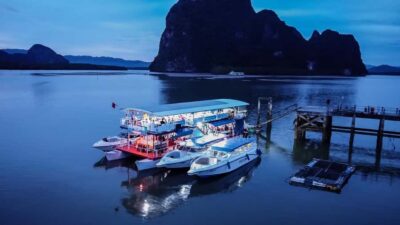
Phang Nga Bay Bioluminescent Plankton and Sea Canoes
Read our review →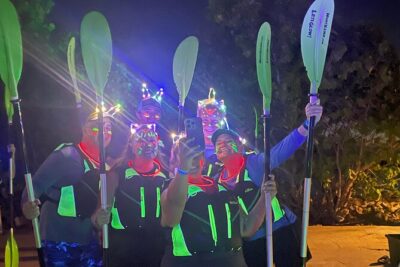
Night Kayak Tour St. Thomas – Westin Frenchman’s Reef
Read our review →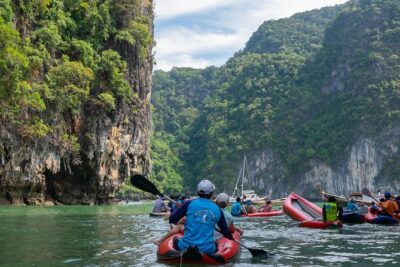
Hong by Starlight: Sea Cave Kayaking and Loy Krathong Floating
Read our review →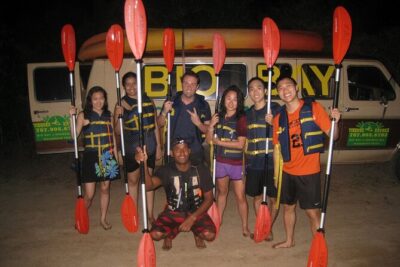

Bioluminescence Night Kayaking Tour of Merritt Island Wildlife Refuge
Read our review →Browse the lists this tour appears in