
REVIEW · NEW ZEALAND KAYAKING TOURS
Akaroa: 4WD Safari and Guided Sea-Kayaking Experience
Akaroa’s best surprise may be waiting beyond the harbor. This four-and-a-half-hour outing takes you over the crater rim in a 4WD minivan to Pōhatu Flea Bay, then onto the open coast by double kayak. There, towering volcanic cliffs, sea caves, seals, penguins, seabirds, and perhaps dolphins become part of the scenery.
I like the way the drive is treated as part of the experience, not just transport. I also like the guides’ clear care for local wildlife and conservation, especially the work with little penguins. The catch is simple: the sea decides the day. Wind or swell may shorten the paddle, keep you away from Flea Bay Island, or cancel kayaking altogether.
Key points to know before you book
- The 4WD ride is a scenic highlight: Cross the Akaroa volcano’s crater rim on the way to remote Pōhatu Flea Bay.
- You paddle for about one to one and a half hours: The exact route depends on sea conditions and wildlife activity.
- No kayaking experience is required: You use stable double kayaks with a guide nearby, but you must follow safety instructions.
- Wildlife is the main reward: You might see fur seals, little penguins, seabirds, and possibly dolphins.
- The afternoon trip includes photo stops: The morning departure is better for an earlier start, while the afternoon option adds scenic pauses.
- Dress for getting wet: Skip jeans and bring layers, a towel, water, sunscreen, and dry clothes.
From Akaroa to Pōhatu by 4WD minivan
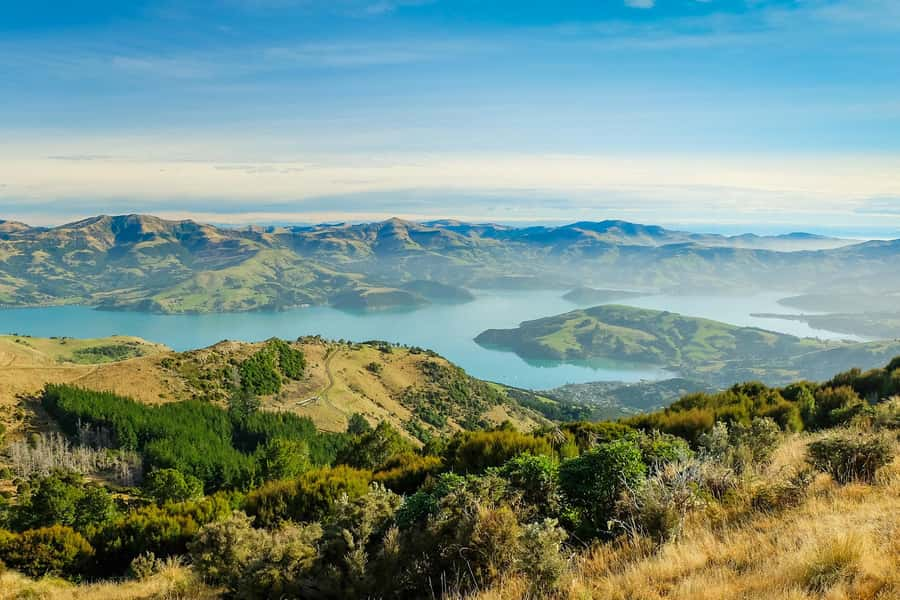
You meet before St Peter’s Church in Akaroa, then leave town in a four-wheel-drive minivan. The road climbs over the crater rim of the old Akaroa volcano, giving you a quick change from waterfront shops and harbor views to steep hills, remote bays, and rough coastal country.
The drive takes about 40 minutes. It is not dead time before the real activity begins. Your English-speaking guide explains the area, its plants, wildlife, and conservation work as you go. Guides including Ben, Kevin, Vila, and Benoit have been praised for making the drive informative without losing sight of the scenery.
The afternoon departure includes photo stops along the way. That matters if you want time to frame the bays and cliffs rather than simply glimpse them through a van window. The morning option is called the early bird departure, so it may suit you better if you prefer a quieter start and more time afterward in Akaroa.
The van is a practical part of the outing, but do not expect a luxury sightseeing coach. You are going to a remote launch point, and the rougher access is part of what keeps Pōhatu feeling special. If you get motion sick on winding roads, prepare accordingly, though no specific medication or transport arrangement is provided.
More Guided Paddles in New Zealand:
- Shore Excursion Guided Sea Kayaking through Akaroa Marine Reserve
★ 5.0 · 160 reviews - Whangamata: Donut Island Guided Kayaking Experience
★ 4.8 · 143 reviews - Small group guided sea kayaking in Akaroa marine reserve
★ 5.0 · 116 reviews
Pōhatu Flea Bay and its conservation work
Pōhatu Flea Bay is known for its wildlife and for the conservation work carried out around the bay. The guide may explain how the team helps protect native penguins, including the little blue penguins also called fairy penguins in some accounts.
You may see penguin burrows or boxes and learn how young birds are cared for. Some outings have included a look at conservation efforts and, afterward, the option to adopt a penguin. These elements are not guaranteed parts of every departure, but they show why this is more than a standard scenic paddle.
I especially value this connection between the activity and the place. You are not simply passing through a pretty bay, taking photos, and leaving. The guide helps you understand why protecting the birds matters and how difficult it can be to keep native species safe.
That said, do not treat the conservation component as a guaranteed close animal encounter. Penguins may stay hidden, and wildlife follows its own schedule. The experience works best when you see the animals as a bonus to the setting, not as a promised performance.
Gearing up for the sea kayak
At the launch point, you receive the equipment for the paddle. The package includes a life jacket, dry jacket, spray deck, and dry bag. You use a double kayak, which is useful for beginners because two people share the paddling and balance.
You do not need previous kayaking experience. The trips run in settled conditions with an experienced guide, and basic instructions are given before you head out. Still, this is sea kayaking, not a calm pond ride. You need enough fitness to paddle and the willingness to listen closely when the guide explains how to handle the kayak.
Wear shorts or leggings that can get wet. Jeans are specifically a poor choice because they become heavy and uncomfortable when damp. Layers are useful because conditions can change between the drive, the launch, and the open water. Bring a towel and a complete change of clothes for after the paddle.
You should also pack sunglasses, a hat, water, and biodegradable sunscreen. Food and drinks are not included, so take care of snacks before departure. For the afternoon trip, plan dinner before you leave Akaroa. Shops and restaurants may be closed by the time the group returns, especially during summer.
Paddling beneath cliffs and sea caves
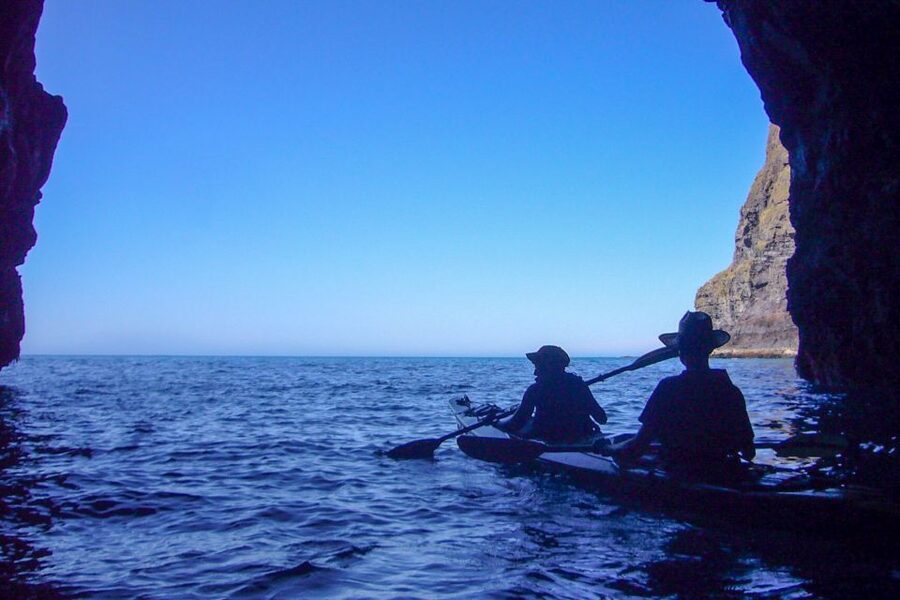
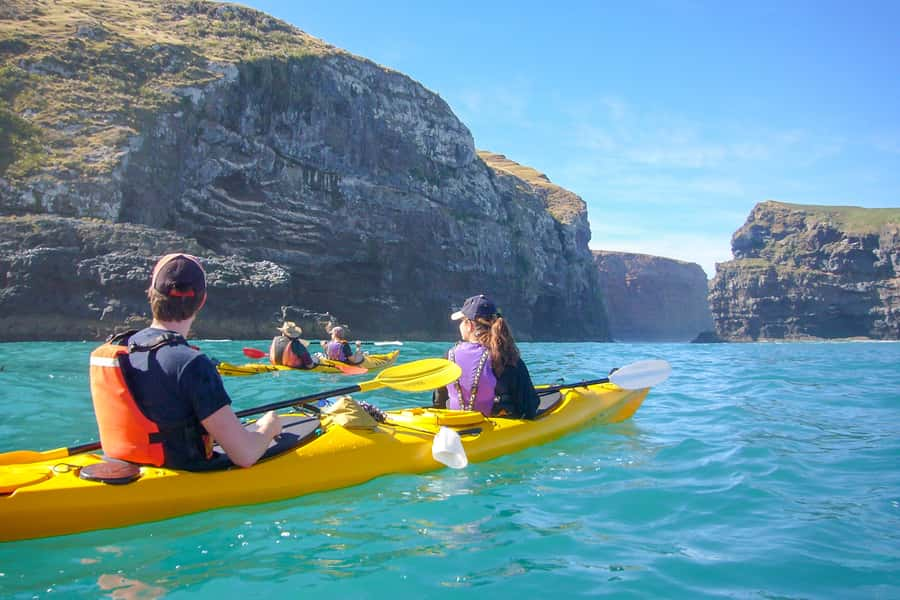
Once on the water, you explore the outer coast of Pōhatu Marine Reserve. The scenery is more dramatic from kayak level than from a road or lookout. Rock walls rise above you, reefs break the surface, and the cliffs show the rough volcanic character of Banks Peninsula.
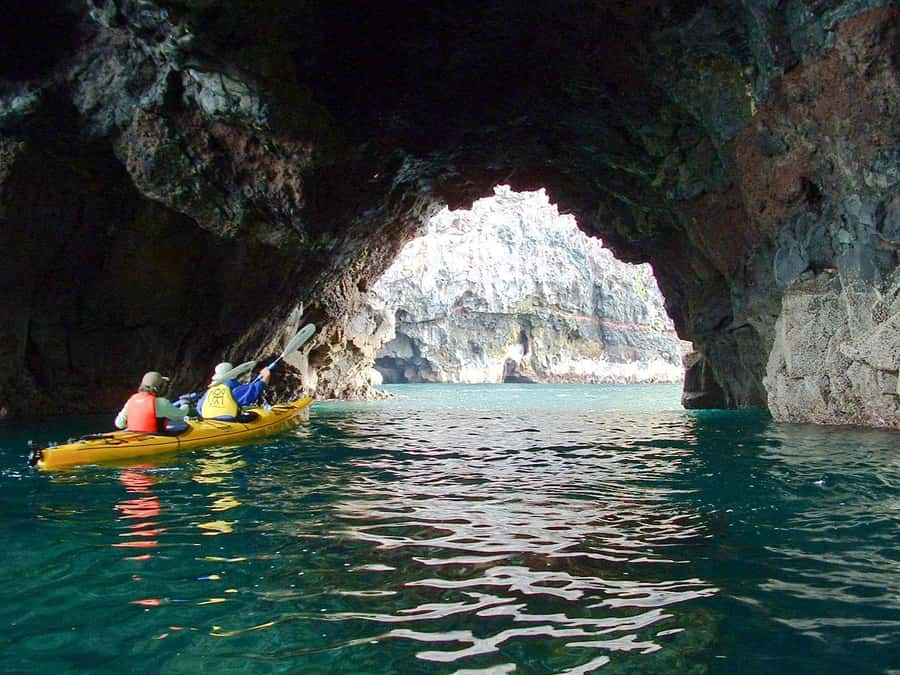
The main sights include towering sea cliffs, rock stacks, reefs, and deep sea caves. In settled conditions, the route can reach Flea Bay Island and its impressive natural arch. That extension is condition dependent, so you should not book expecting to enter every cave or reach every rock formation.
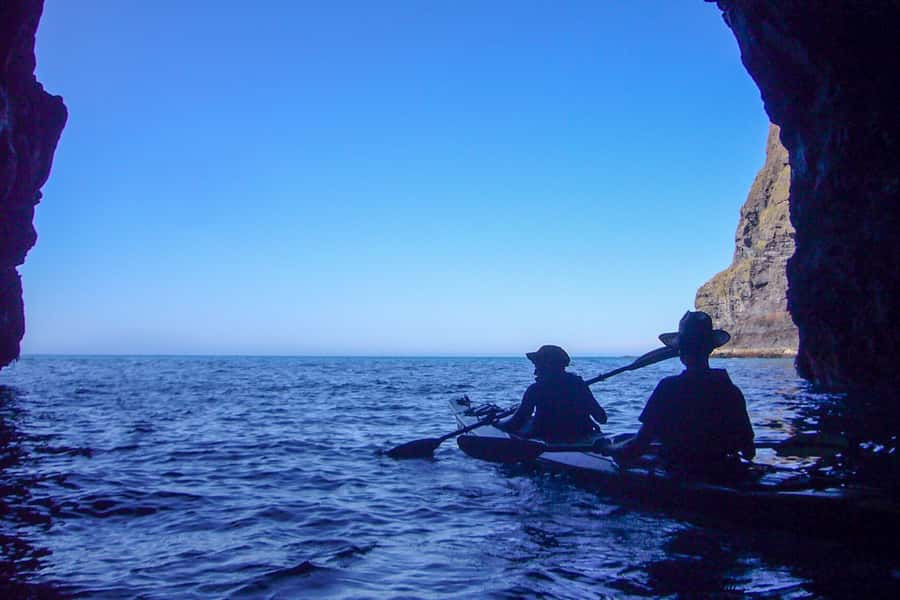
A sea cave can be a memorable moment because the kayak lets you approach at water level. You may hear the sound change inside the rock and see the cliffs from a viewpoint unavailable on land. But the guide has the final say, and that judgment matters. Wind, swell, tide, fitness, and paddling ability all affect what is safe.
You remain on the water for roughly one to one and a half hours. That is long enough to feel like a real kayaking trip without turning the outing into an endurance test. You will still need to paddle, though. If you want a purely passive wildlife cruise, this is the wrong format.
The kayaks are described as easy to paddle, and the format suits couples, friends, and parent-child pairs. Children must be at least eight years old, and each child is paired with an adult. Toddlers and infants are not permitted. Wheelchair users cannot take part in the kayaking activity.
More Kayaking Trips in New Zealand:
- Cathedral Cove Kayak Tour
★ 5.0 · 887 reviews - Twilight Glowworm Kayak Tour – Lake Karapiro
★ 5.0 · 493 reviews - Wildlife Sea Kayaking Tour – Kaikoura
★ 5.0 · 467 reviews - Seal Kayaking Adventure in Kaikoura
★ 5.0 · 422 reviews
Wildlife at close range, but on nature’s schedule
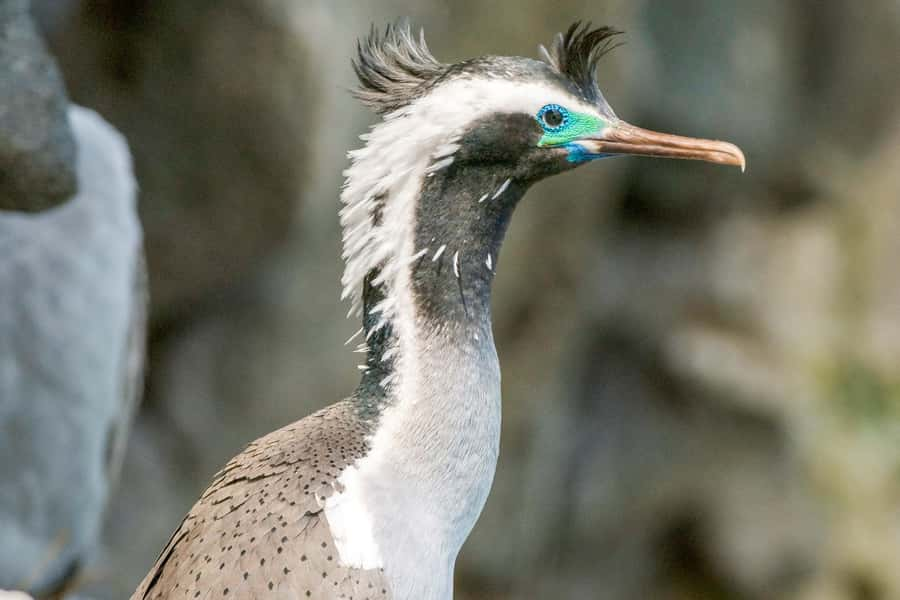
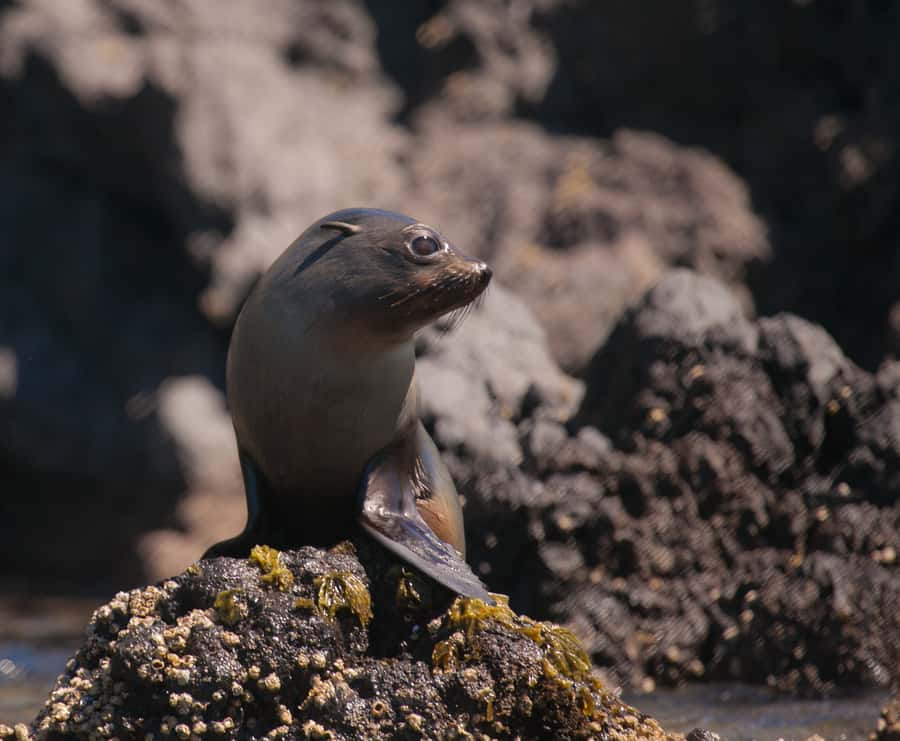
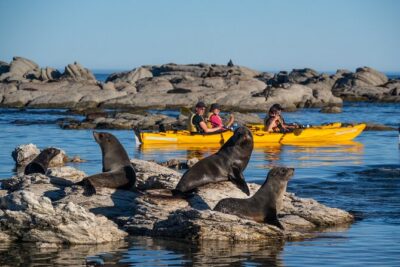
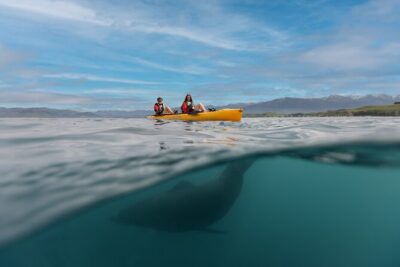
Pōhatu’s wildlife is the reason to bring patience. Fur seals may lounge on rocks or swim nearby, sometimes with pups. Little penguins can appear on the rocks or in the water, but they may also remain in their burrows.
Seabirds are another constant possibility. The area supports several kinds of coastal birds, and guides point out what you are seeing rather than leaving you to guess. Past sightings have included cormorants and paradise ducks, along with penguins and seals.
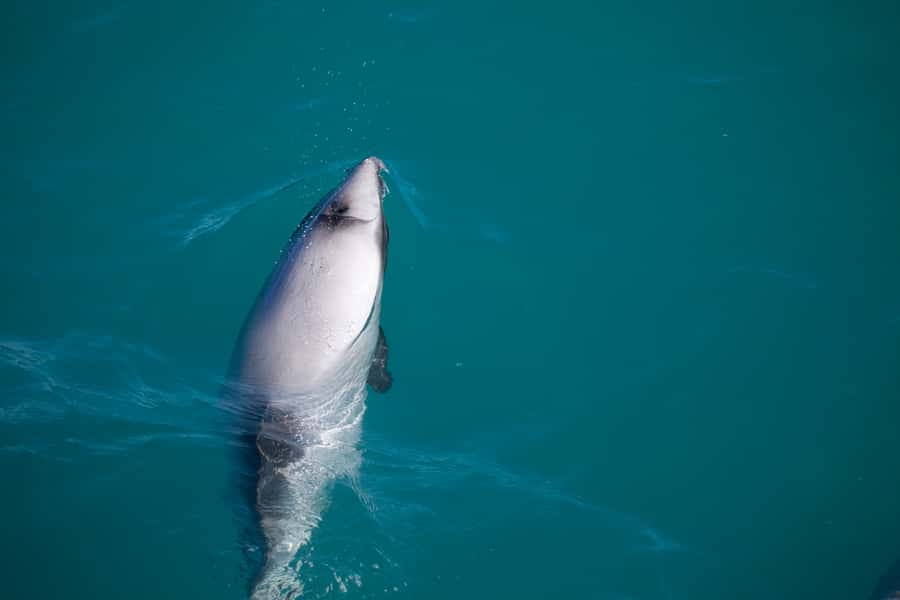
Dolphins are possible too, including the world’s smallest dolphin. That possibility adds excitement, but it is not a guarantee. You might see a dolphin briefly, as one person did, or you might spend the paddle with seals and birds as your main companions.
This is where the guide makes a real difference. Ben has been praised for explaining local plants, animals, and the area’s past. Kevin has led outings with a strong focus on wildlife and conservation. Vila is known for her passionate explanations of environmental protection. Benoit has also guided visitors through the birds and animals seen from the water.
Do not expect animals to perform for the kayak. They may keep their distance, and responsible wildlife viewing means you do not chase them for a better photo. A short glimpse of a penguin or a group of seals resting on the rocks can still be a fine encounter because it happens on their terms.
How weather changes the experience
The biggest practical issue is weather. A calm day can open up more of the outer coast, including the island arch and sea caves. A windy day may limit the route, shorten the time on the water, or make kayaking unsafe.
The guide makes the final call based on sea conditions, personal fitness, and paddling ability. You must follow the safety instructions, even if that means missing a sight you had hoped to see. This may feel disappointing, but it is the right approach for exposed coastal water.
If kayaking cannot go ahead, the operator has sometimes substituted a scenic land or penguin-focused experience and refunded the balance. That alternative still includes the drive, scenery, local information, and conservation focus. It is not the same as paddling into a sea cave, but it can keep the day worthwhile.
You should build some flexibility into your Akaroa plans. Do not schedule a tight connection immediately after the activity, especially if you are visiting during a cruise stop. The total duration is 270 minutes, and weather-related decisions can affect the timing.
Morning or afternoon departure?
The early bird morning option is useful if you want to get active before spending the rest of the day around Akaroa. It may also suit you if you prefer to avoid a late return and want a simple meal afterward.
The afternoon option includes photo stops during the drive. That makes it attractive if scenic views are a major reason for booking. The light may also make the cliffs and bays look different, but the activity ends late enough that you need to arrange dinner in advance.
I would choose the morning departure if you have a full Akaroa day and want fewer evening logistics. I would choose the afternoon departure if you value the extra roadside stops and can organize food before leaving.
Both options depend on availability and suitable sea conditions. The core experience remains the same: the 4WD trip, guide commentary, equipment, and coastal paddle when it is safe to proceed.
Is $80 good value?
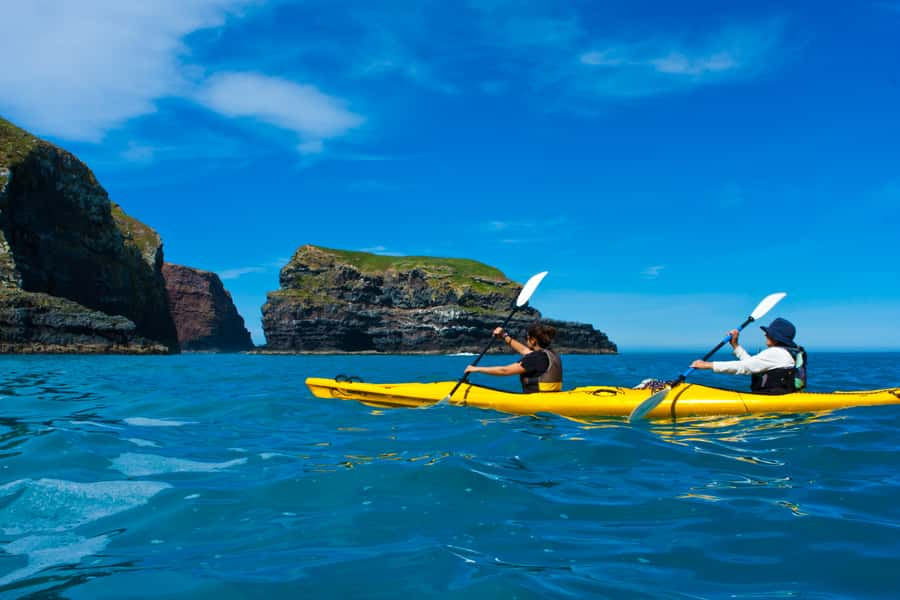
At $80 per person, the price covers more than kayak hire. You receive return scenic transport by 4WD minivan, the guide, live commentary, safety equipment, and the sea-kayaking portion. You also get access to an area that would be difficult to reach independently.
The value is strongest if you care about both scenery and wildlife. A simple kayak rental would not give you the same local explanation or support on exposed coastal water. The drive also saves you from arranging transport over the crater rim and down to Pōhatu Flea Bay.
The price is less appealing if you mainly want guaranteed close-up animal sightings. Wildlife is unpredictable, and a calm enough sea is needed for the best route. One person felt the activity was pricey after seeing fewer animals than hoped, so it is fair to keep expectations in check.
For me, the combination of remote access, a four-and-a-half-hour outing, equipment, and conservation focus makes the price reasonable. You are paying for a guided experience in a difficult-to-reach setting, not just for time sitting in a kayak.
Who will enjoy this most?
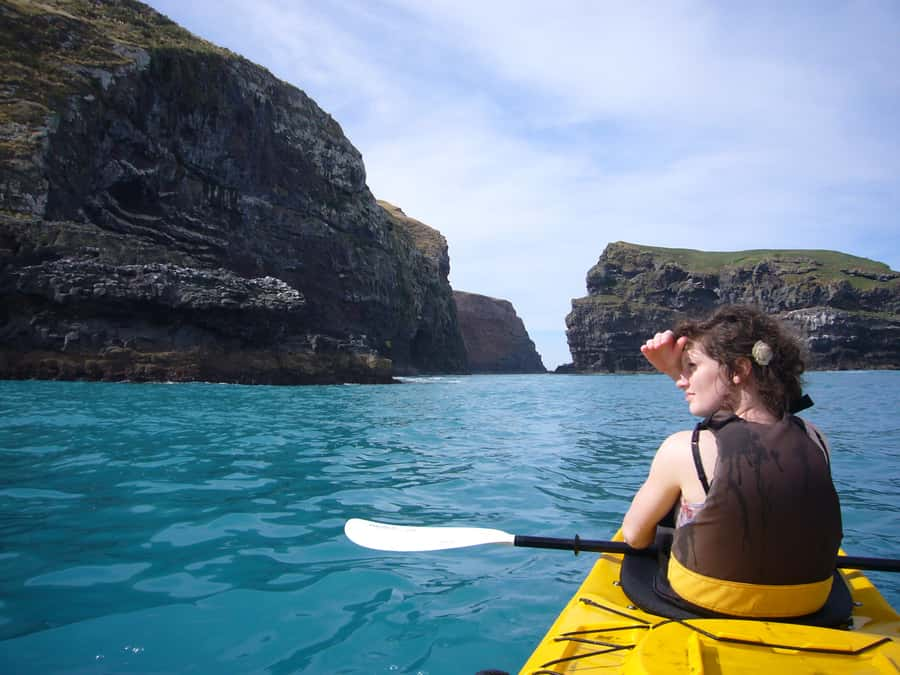
This suits you if you want active sightseeing without needing technical kayaking skills. Couples, families with children eight and older, solo visitors comfortable joining a group, and cruise passengers with a suitable time window can all fit the format.
It is especially good for people who enjoy hearing the story behind a place. Guides talk about wildlife, plants, local history, and the effort to protect native penguins. The information gives the cliffs and bays more meaning than a quick photo stop would.
You should think twice if you dislike getting wet, have limited mobility, or need a guaranteed itinerary. Wheelchair users cannot participate, and toddlers or infants are not allowed. If rough sea conditions would make you anxious, ask yourself if you would still enjoy the scenic drive and conservation visit if the kayak portion were canceled.
The activity requires basic cooperation and a reasonable level of fitness. The guide can decide that conditions are not safe for you or your child, and that decision cannot be negotiated on the beach.
What to bring for a comfortable outing
Keep your packing simple but practical:
- Comfortable clothes in layers
- Shorts or leggings rather than jeans
- Sunglasses and a hat
- Water and biodegradable sunscreen
- A towel
- A complete change of clothes
- Weather-appropriate outerwear
Food is not included. Bring something for before or after the tour, and arrange dinner ahead of time if you choose the afternoon departure. Your dry bag protects small items, but avoid bringing anything that cannot tolerate some moisture.
Should you book the Pōhatu kayaking experience?
Book it if you want a memorable mix of volcanic scenery, wildlife, local guiding, and light adventure. The strongest parts are the 4WD journey to Flea Bay, the dramatic coastal rock formations, and the chance to see penguins and seals while learning about active conservation work.
Choose another activity if you need guaranteed dolphins, a completely dry outing, or a fully accessible experience. Also consider the weather forecast and leave room in your schedule for a changed route.
For most active visitors spending time in Akaroa, this is a strong-value way to reach a remote part of Banks Peninsula. Go prepared for nature to set the terms, and you will be ready to appreciate the day even if the sea keeps you out of a cave.
FAQ
How long does the Akaroa 4WD and sea-kayaking experience last?
The activity lasts 270 minutes, or about four and a half hours. You spend roughly one to one and a half hours on the water, depending on sea conditions and wildlife sightings.
Where is the meeting point?
Meet before St Peter’s Church in Akaroa.
Do I need previous kayaking experience?
No. Previous experience is not required, and an experienced guide leads the activity. You must listen carefully and follow all safety instructions.
What wildlife might I see?
You might see penguins, fur seals, dolphins, and several seabirds. Sightings are not guaranteed, and the route depends on weather and sea conditions.
Are children allowed to join?
Children must be at least eight years old, and each child must be paired with an adult. Toddlers and infants are not permitted.
What happens if the sea is too rough for kayaking?
The guide decides if kayaking is safe. If conditions prevent the paddle, the activity may be changed to a scenic land or penguin-focused experience, and a balance may be refunded in cases described by the operator.
Newest paddling trips we have reviewed in New Zealand
- Auckland City Lights Night Kayaking Tour★ 5.0 · 21 reviews
- Motukorea / Browns Island Sea Kayak Journey★ 5.0 · 35 reviews
- Auckland Bioluminescence Kayak Tour★ 5.0 · 31 reviews
- Browns Island Motukorea Sea Kayak Tour★ 5.0 · 9 reviews
- Sunrise wildlife sea kayaking in Akaroa marine reserve★ 5.0 · 123 reviews
- Small group guided sea kayaking in Akaroa marine reserve★ 5.0 · 116 reviews
- Guided Electric Mountain Bike & Sea Kayak Tour in Akaroa★ 5.0 · 22 reviews
- Tauranga: Evening Glowworm Kayak Tour★ 4.8 · 206 reviews
New Zealand Kayaking Tours, compared.
Small-Group Kayak Adventure from Franz Josef Glacier
Read our review →
Dart River Canoe and Jet Boat Experience from Queenstown
Read our review →Browse the lists this tour appears in