
REVIEW · CANOE TRIPS
Okavango Delta: Full-Day Mokoro/Canoe Tour All-Inclusive
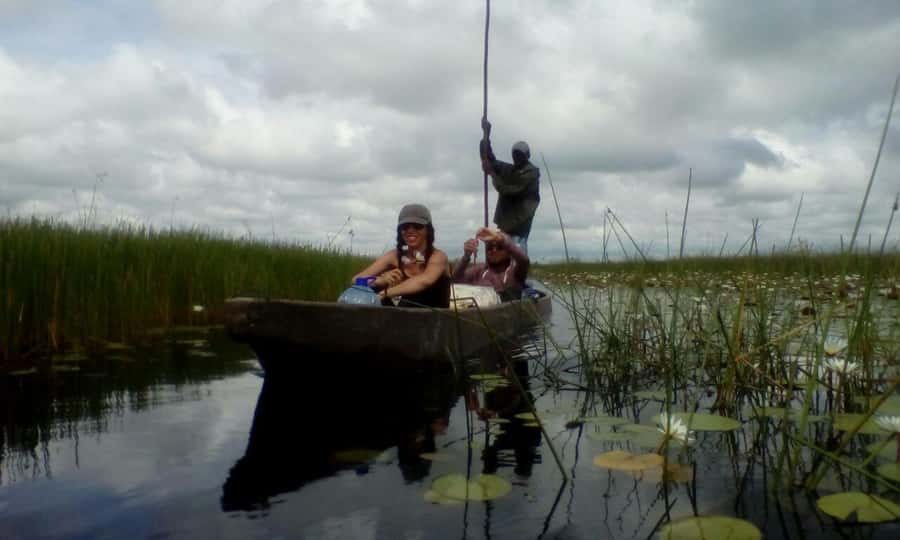
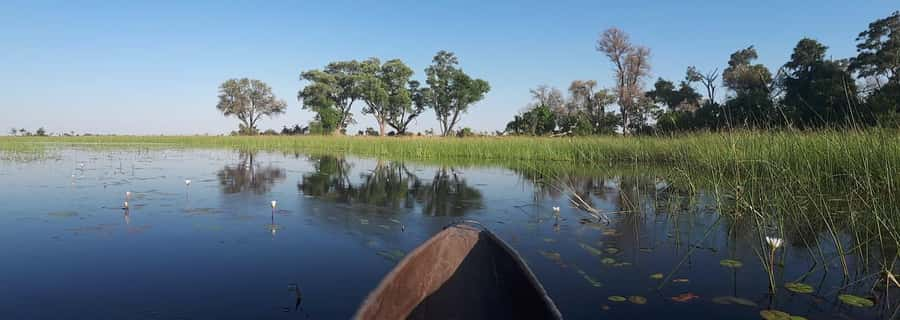
The best part of this day is its pace. A local poler quietly pushes a one-tree canoe through reed-lined channels, and the Okavango begins to feel less like a safari route and more like a living water system. The silence is the attraction. You may hear birds, see hippos, and watch the reeds slide past at walking speed.
I like the direct connection with people who were born and raised in the delta, and I like the change of rhythm from a fast 4×4 game drive. The island picnic and bush walk add variety. The trade-off is clear: this is not a big-game safari. You may see hippos, elephants, impala, crocodiles, giraffes, zebras, or wildebeest, but predators are not the focus and some days produce few animals.
Key points to know before booking
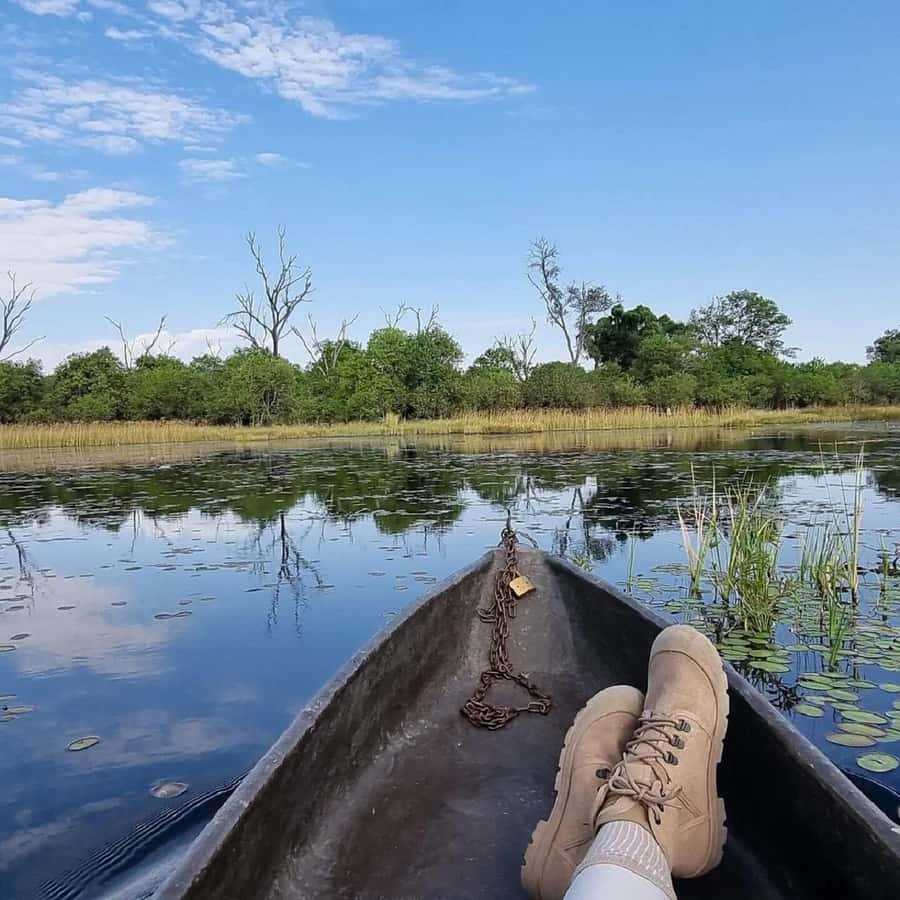
- The mokoro is a one-tree canoe: You sit low above the water while a local poler guides the canoe through narrow channels and reeds.
- The day includes two different views of the delta: You travel by water and then walk on an island, giving you a better feel for how the wetlands work.
- Local guides are central to the experience: The polers and guides come from the Okavango area and show you their home rather than presenting a staged cultural display.
- Animal sightings are possible but secondary: Hippos and birds are common hopes for the day, while elephants, giraffes, zebras, crocodiles, wildebeest, and antelope may also appear.
- The journey begins and ends in Maun: Allow roughly two hours each way by jeep or SUV, along with about four hours of activity in the delta.
- You need moderate fitness: The tour combines a canoe trip and a walking safari, and it is not suitable for children under seven or people with mobility impairments.
Why the mokoro gives you a different Okavango day
The Okavango Delta is best understood from water. Its channels spread through northern Botswana, creating reed beds, islands, shallow lagoons, and seasonal routes for wildlife. A motor vehicle can cover more ground, but a mokoro lets you notice small details that a vehicle would pass quickly.
You sit in a narrow canoe made from a single tree while an experienced poler moves it with a long pole. The motion is gentle. There is no engine noise, and the low seat puts you close to the reeds and water. That quiet matters. It gives your guide time to point out birds, tracks, plants, and signs of animals without rushing from one sighting to the next.
This is also a community-based experience. The people handling the mokoros and leading the walk were born and raised in the Okavango area. Their connection to the place is not a side performance added for tourists. It is the reason the day feels personal. You are being shown someone’s home, including the waterways, islands, wildlife, and practical realities of life in the delta.
The experience has earned a 4.7 rating from 81 bookings, with especially strong praise for organization, local guiding, the mokoro ride, and the walking safari. Those are the areas where this outing makes its best case.
More Canoe Trips in the world:
- Phang Nga Bay Sea Cave Canoeing & James Bond Island by Big Boat
★ 5.0 · 4,666 reviews - From Phuket: Phang Nga Bay and Canoeing Tour by Big Boat
★ 4.7 · 3,528 reviews - Phuket: James Bond Island Longtail Boat and Sea Canoe Tour
★ 4.8 · 2,364 reviews
Leaving Maun for the NG32 Concession
Pickup is usually around 7:30 AM from your hotel or guesthouse in Maun. Wait at reception, since the tour includes pickup and drop-off throughout Maun. The transfer to the Okavango Delta’s NG32 Concession takes about one to two hours, followed by a return drive of roughly one and a half hours according to the day’s schedule.
The drive is part of the experience, not just dead time. You travel in a jeep or SUV, and the route gives you an early look at the changing surroundings before you reach the waterways. One account of the outing specifically noted that the vehicle was comfortable in rain, with closable sides and blankets available. You should still dress for changing conditions, since weather in an open wetland can shift during the day.
The long transfer is the main logistical drawback. You spend a sizable portion of the day in the vehicle, so this is not a short activity from Maun. Still, the included transport saves you from arranging a separate transfer, and the full-day format gives you enough time for the canoe, walk, and lunch rather than forcing everything into a rushed morning.
The first mokoro ride through reeds and channels
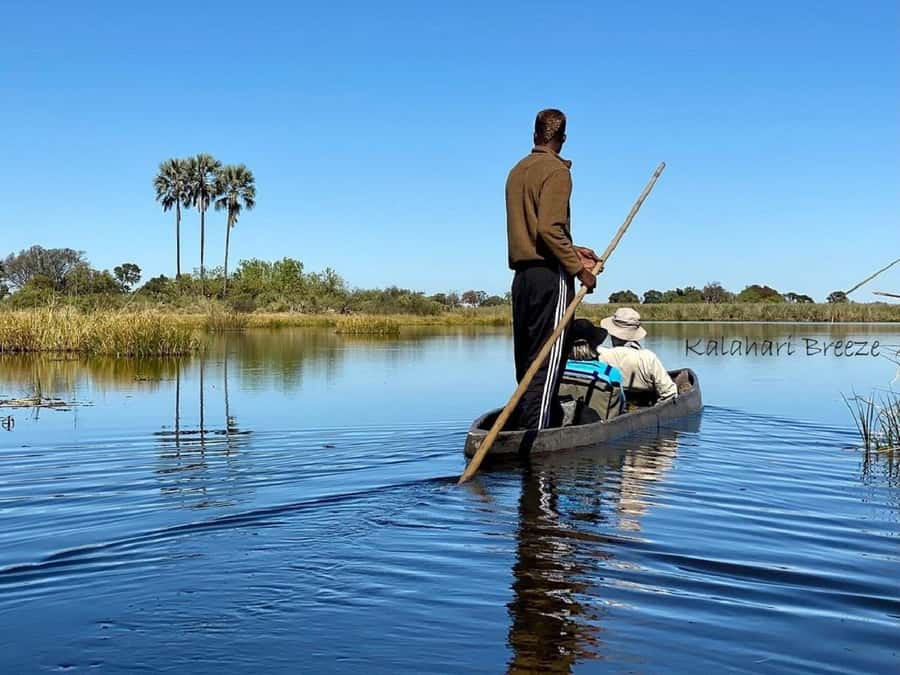
Once you reach the delta, you are allocated a guide and poler. The exact guide names are not provided in the booking information, but the important point is that the polers come from the local community and know these waterways as home territory.
The first canoe section lasts about an hour and a half. You move through channels bordered by reeds, with open water and island views appearing along the route. The pace is slow enough for you to watch the water and vegetation, listen to bird calls, and ask questions.
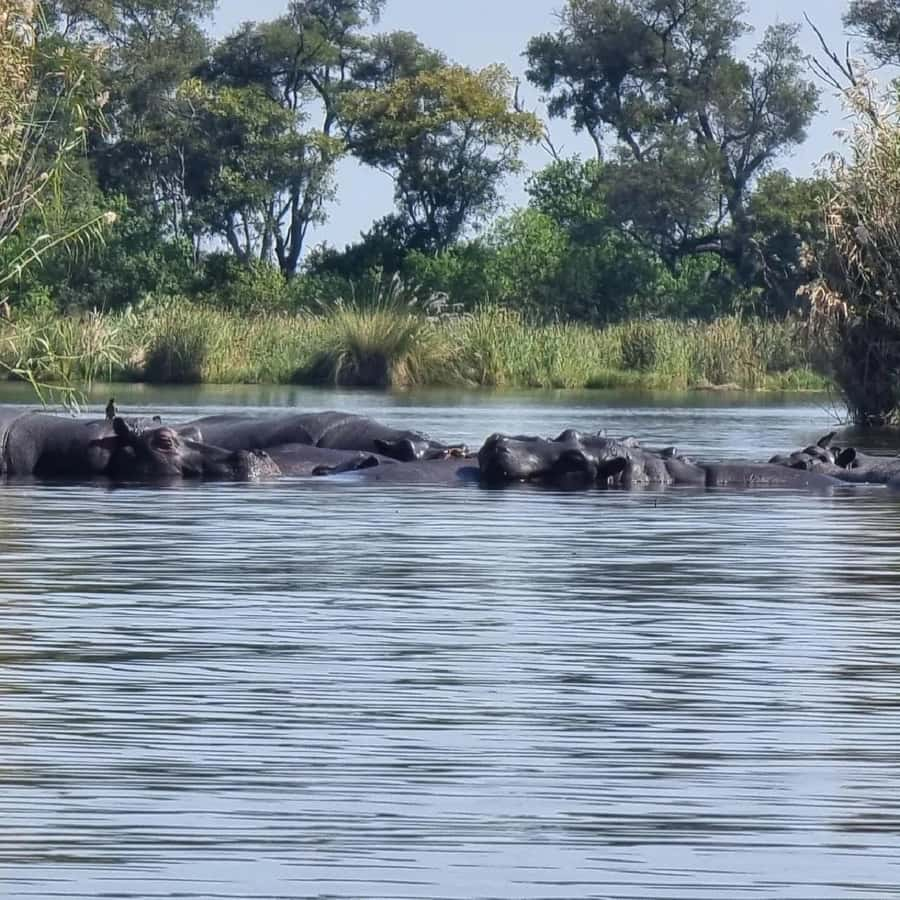
You may see hippos in or near the channels. One memorable possibility is meeting a hippo group while traveling in the mokoro. That can be thrilling, but it also reminds you that this is a wild setting, not a theme-park boat ride. Listen closely to the poler and guide, keep your movements calm, and follow their instructions.
The canoe ride is not designed to cover a huge area. You will not get the same number of sightings as you might on a motorized trip. Instead, you get time to notice the structure of the delta: water routes, reed beds, islands, and the way wildlife uses each part of the wetland.
A walking safari that slows the day down again
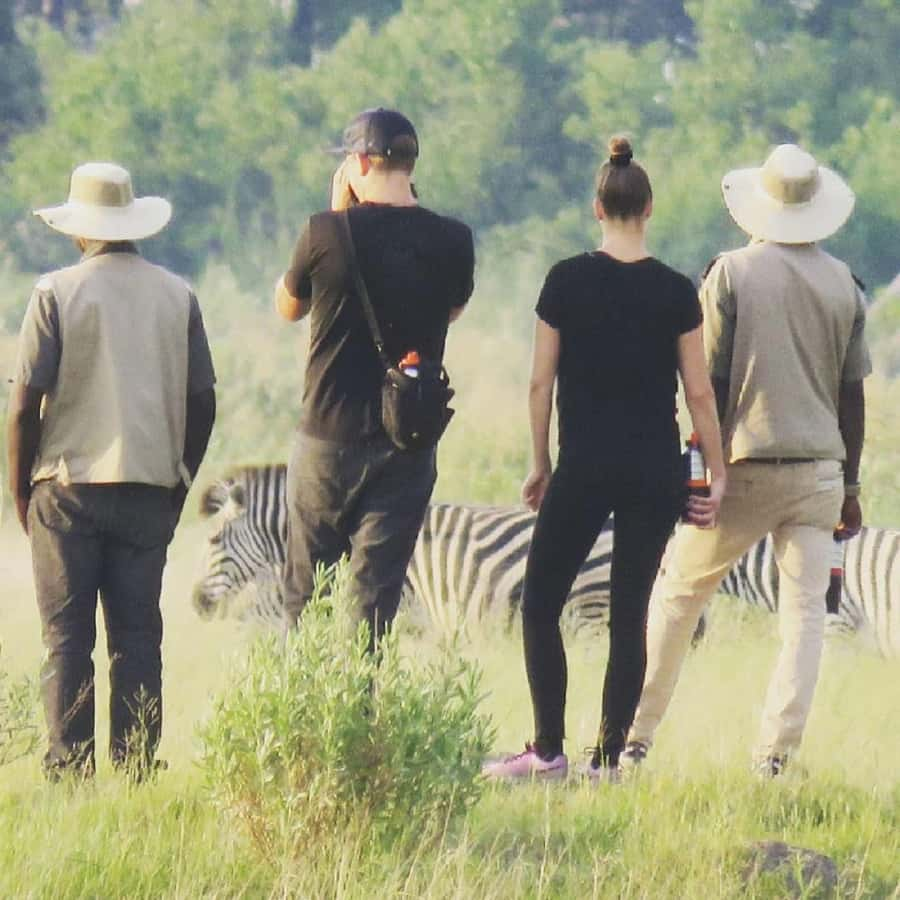
After the initial canoe trip, you leave the water for a guided walk lasting about an hour and a half. This is where the outing differs most from a standard vehicle safari. You are no longer looking out from a raised seat with an engine ready to move. You are walking through the natural setting at a human pace.
A walking safari asks you to pay attention to smaller signs. Your guide may explain the area, plants, animal movement, or the way people live around the delta. The goal is not to rush toward a dramatic sighting. It is to understand the ecosystem around you.
You should be comfortable walking for a substantial part of the day. The activity requires a moderate level of fitness and is not suitable for people with mobility impairments. Wear closed-toe shoes, bring sun protection, and expect the ground and conditions to vary.
Animal sightings on foot cannot be promised. The day may bring general game such as impala or elephants, and there is a chance of giraffes, zebras, wildebeest, antelope, or other wildlife. Predators are not expected, and the operator clearly positions motorized 4×4 activities as the better choice for lions, leopards, and concentrated game viewing.
That honesty is useful. If you choose this tour, choose it for the setting and the walking experience first. Treat animal sightings as a bonus.
More Full-Day Paddles in the world:
- Cat Ba: Lan Ha, HaLong bay full day- biking, kayaking, lunch
★ 4.8 · 1,166 reviews - Halong Bay Full Day with Kayaking, Hiking viewpoint, Cave – Deluxe To Luxury
★ 5.0 · 884 reviews - Ang Thong: Marine Park Full-Day Kayaking & Snorkeling Tour
★ 4.6 · 768 reviews - Key West Full-Day Ocean Adventure: Kayak, Snorkel, Sail
★ 5.0 · 767 reviews
Island lunch with time to take in the setting
Lunch is served on one of the islands during a break of about an hour. The meal is packed, and bottled water is included. You do not need to arrange a restaurant stop or carry food from Maun.
An island picnic is a practical part of the route, but it also gives the day a needed pause. You can eat, rest, and look across the water before returning to the channels. The lunch received specific praise for quality, which is welcome on a long outdoor day.
Bring your own extra water if you prefer to drink more than the included bottle, though the supplied information confirms bottled water is provided. A hat, sunglasses, sunscreen, and a headscarf are useful in the open sun. The headscarf can also help with dust during the road transfer.
Do not bring valuables, weapons, sharp objects, or a drone. The drone restriction is especially important if you were hoping to photograph the delta from above. This outing is built around a low, quiet viewpoint, not aerial filming.
The return canoe route and the trip back to Maun
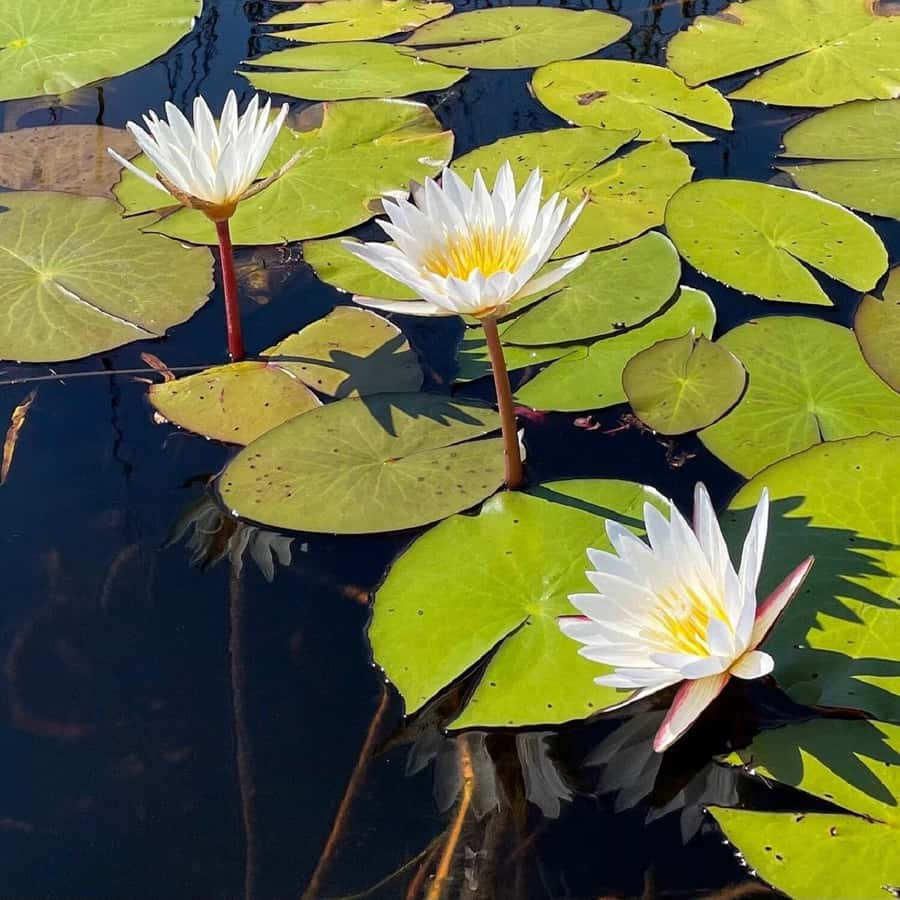
After lunch and the walking section, you return to the mokoro for about another hour on the water. This second ride gives you another chance to watch birds, reeds, channels, and wildlife without the pressure of getting every photograph during the first route.
The timing may vary with water conditions, wildlife, weather, and the pace of the group. Rain does not automatically end the day. One account described the full program continuing through rain, with rain gear provided. Even so, pack for wet conditions rather than assuming the morning will stay dry.
You then return to the vehicle and drive back to Maun. The full schedule adds up to a long day, with an early start and a return after the delta activities. That makes the tour a poor fit if you want a short, effortless excursion. It works well if you have one open day in Maun and want a direct introduction to the wetland without committing to a longer safari camp stay.
What the $171 price really covers
At $171 per person, the price is reasonable if you value transport, local guiding, park access, and a full day of activities in one package. The cost includes hotel pickup and drop-off in Maun, park entrance fees, tourism levies, community trust fees, the guide, packed lunch, and bottled water.
The community trust fee matters because the tour is not only paying for a boat ride. It supports access to the local concession and helps direct tourism income into the community connected with the area. You also avoid several small costs that can quickly add up when arranging a day independently.
The value is weaker if your only goal is to see the largest possible number of animals. A motorized game drive covers more ground and gives you a better chance of seeing predators and concentrated wildlife. In that case, your money is better spent on a 4×4 safari.
This tour earns its price through access and atmosphere. You get a full day, two forms of exploration, local guides, entrance costs, food, and transport from Maun. Travel insurance and health insurance are not included, so arrange those separately.
Who will enjoy this day most
I would choose this outing if you want to experience the Okavango quietly. It suits you if you enjoy birdlife, wetlands, local interpretation, gentle boat travel, and walking more than chasing a checklist of large animals.
It is also a good choice after several busy game drives. A vehicle safari can become a hunt for the next sighting. The mokoro offers a useful change: you stop, listen, and let the place reveal itself at a slower pace.
The small-group option may appeal if you want a more personal day, though group size can depend on availability. English is the tour language. You should be ready for a full outdoor day, a long road transfer, sun, possible rain, and basic conditions on the islands.
I would not choose it as your only safari in Botswana if lions, leopards, and frequent big-game sightings are your main priorities. I would also avoid it for young children under seven or anyone who cannot manage the canoe and walking portions.
Practical preparation for the Okavango
Pack lightly, but pack the right things:
- Closed-toe shoes for the walking section
- Sunglasses, a sun hat, and sunscreen
- A headscarf for sun, wind, or dust
- Clothing that can handle heat and possible rain
- A small personal supply of water if you prefer more than the included bottle
Keep valuable items at your accommodation. Drones, weapons, and sharp objects are not allowed. You should also avoid bringing anything you would worry about getting wet during the canoe ride.
The tour offers free cancellation up to 24 hours before departure and allows you to reserve now and pay later. Check the available starting time when booking, since the exact schedule can vary.
Should you book the mokoro tour?
Book this tour if you want the Okavango Delta as a place, not simply as a list of animals. The local polers, quiet waterways, island lunch, and guided walk give you a closer feel for the wetland and the people connected to it.
Skip it if your main target is a lion, leopard, or a long list of large mammals. Choose a motorized 4×4 outing instead. But if you can accept uncertain sightings and value calm travel, local contact, and time on the water, the $171 package offers a well-rounded day from Maun.
FAQ
Where does the tour start?
The tour starts with pickup from your hotel or guesthouse in Maun, usually around 7:30 AM.
How long does the tour last?
It is a full-day activity. The schedule includes the road transfer from Maun, about four hours of activities in the delta, and the return drive.
How long is the drive from Maun to the delta?
The outbound transfer usually takes one to two hours by jeep or SUV. The return transfer is listed at about one and a half hours.
What is a mokoro?
A mokoro is a one-tree canoe used to travel through the Okavango Delta waterways. A local poler guides it with a long pole.
Is lunch included?
Yes. A packed lunch and bottled water are included, and lunch is served on one of the delta’s islands.
Will I see lions or leopards?
No sightings are guaranteed, and predators are not the focus of this tour. A motorized 4×4 activity is recommended for better big-game viewing.
What animals might I see?
Possible sightings include hippos, impala, elephants, giraffes, zebras, crocodiles, wildebeest, antelope, and birds. Sometimes you may see few or no animals.
Is there a walking safari?
Yes. The tour includes a guided nature walk lasting about one and a half hours.
What fitness level is required?
A moderate level of fitness is required because the tour combines a mokoro ride with a guided walk. It is not suitable for people with mobility impairments.
Are children allowed?
Children under seven are not suitable for this activity.
What language is the tour conducted in?
The live guide speaks English.
Are park and community fees included?
Yes. Park entrance fees, tourism levies, and community trust fees are included in the price.
Newest paddling trips we have reviewed in the world
- Cabo Private Catamaran: Chill Experience with Sup and Float Mat★ 4.5 · 12 reviews
- Park and Paddle Package★ 5.0 · 39 reviews
- Private Kayak Tour in the Venetian Lagoon★ 4.5 · 32 reviews
- Giants Causeway Coast Sea Kayaking★ 5.0 · 12 reviews
- Budva: 2-Hour «Night Lights» Kayak Tour★ 5.0 · 11 reviews
- Skadar Lake on kayaks Experience with Spectacular Views★ 5.0 · 23 reviews
- SUP-board and kayak rental point: from 1 hour to full day★ 5.0 · 8 reviews
- Budva: Kayak & SUP Rental★ 5.0 · 16 reviews
Canoe Trips, compared.
Phang Nga Bay Sea Cave Canoeing & James Bond Island by Big Boat
Read our review →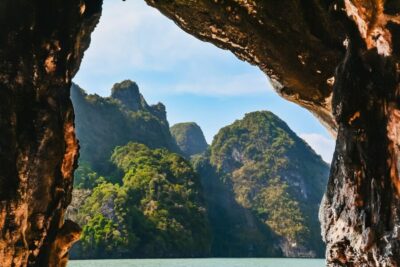
James Bond Island Longtail Boat and Sea Canoe Tour
Read our review →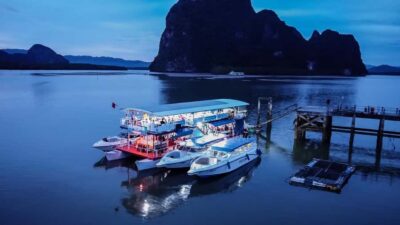
Phang Nga Bay Bioluminescent Plankton and Sea Canoes
Read our review →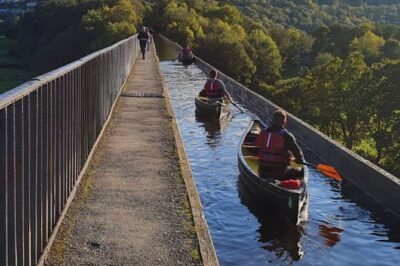
Pontcysyllte Aqueduct Canoe Tours in Llangollen
Read our review →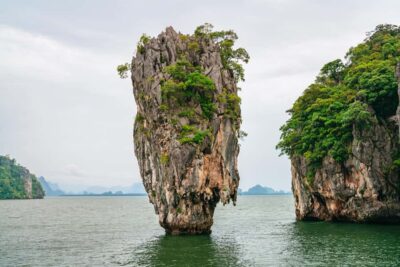
Twilight Sea Canoe & Highlight Glowing Plankton
Read our review →
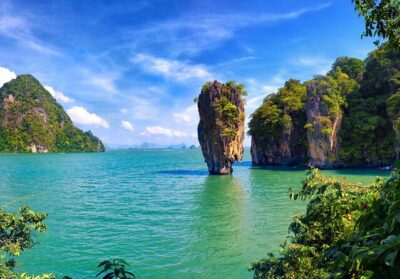
James Bond Island with Canoeing and Lunch by Speedboat
Read our review →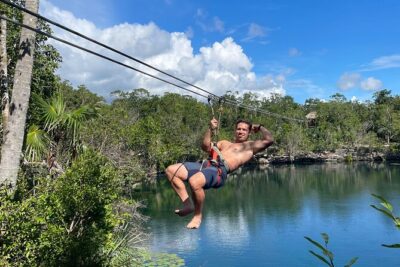
4 Private Cenotes, Zip-Lines, Canoes & Mayan Village with Delicious Lunch
Read our review →Browse the lists this tour appears in