
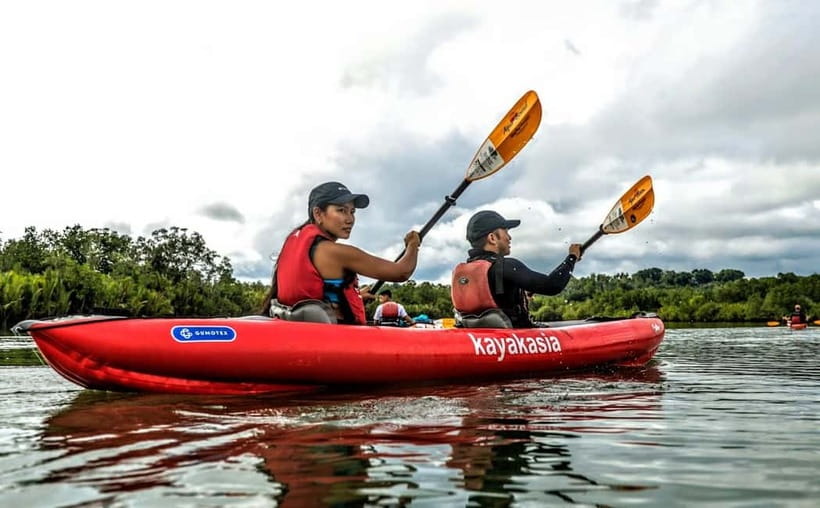
REVIEW · MANGROVE KAYAKING
Bohol: SUSTAINABLE Mangrove Tunnels & Firefly Kayaking trail
The best part of this Bohol tour comes after sunset, when your kayak slips quietly along the Abatan River and fireflies blink together in the trees. It is a rare sight, made better by the lack of engine noise. The route also takes you through narrow mangrove tunnels and calm forest channels that larger boats cannot reach.
I like two things right away: the tour uses paddling instead of noisy motorboats, and the guides explain why mangroves matter to fish, birds, local families, and storm protection. The fresh Filipino dinner is another strong point, especially after several hours on the water.
The main consideration is effort and weather. You will paddle for several hours, and rain can arrive suddenly. Bring a change of clothes, insect repellent, and a little patience if clouds or water conditions affect the firefly viewing.
Key points to know before booking
- Synchronous fireflies after dark: Watch fireflies blink in harmony beside the river, with their lights reflected on the water.
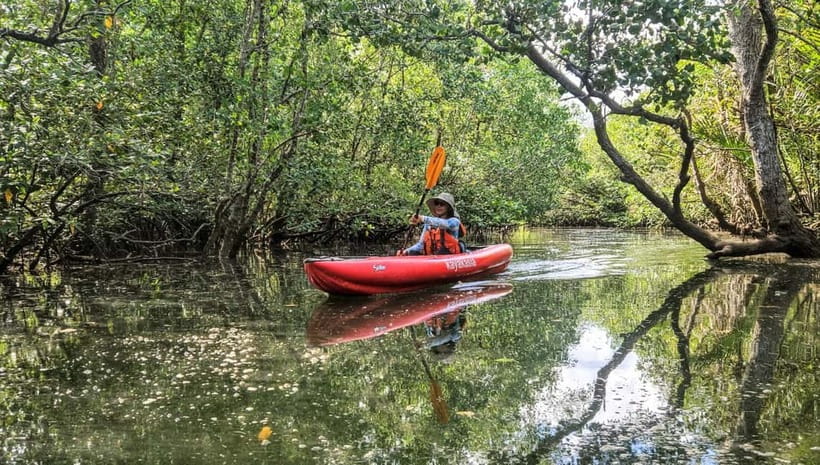
- Mangrove tunnels by kayak: Paddle narrow channels, nipa palm groves, and flooded forest areas that feel far removed from busy Bohol.
- Local conservation guides: Guides such as Jeremy, Vince, and MacMac explain the river’s plants, birds, wildlife, and threats to the ecosystem.
- A full evening of food: Light local snacks come during the break, followed by a home-cooked Filipino dinner at the river station.
- Beginner-friendly setup: A safety briefing, basic instruction, life jackets, and equipment are included.
- Good value at $85: Transfers, guiding, kayaking, snacks, dinner, and the firefly outing are bundled into one five-hour experience.
Why the Abatan River makes a fine evening outing
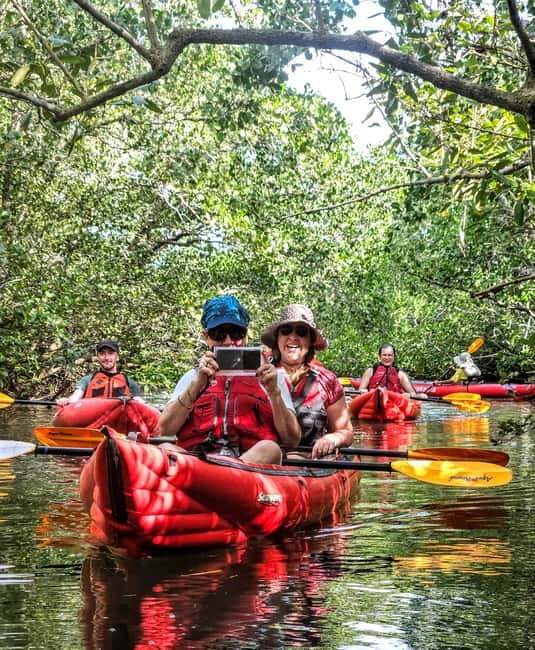
Bohol is best known for its beaches, diving, and famous inland sights. The Abatan River offers a different side of the island. Here, the pace is slow. You move under your own power, close to the water, with mangroves and nipa palms forming the edges of the route.
Mangroves are not just attractive plants lining a river. They provide nurseries for marine life, shelter birds and other wildlife, and help protect communities from storms and erosion. The guides explain these connections in plain terms, linking what you see beside the kayak to the lives of people who live along the Abatan.
That local point of view matters. The guiding team comes from the communities near the river, so the tour is not simply a nature ride with facts added later. You hear about the river as a working part of local life and as a place that needs care.
The experience has also been featured by National Geographic among the top 100 nights in the world. That gives you a useful sense of the firefly portion, but the afternoon paddle deserves equal billing. The quiet mangrove route, bird sightings, and chance to see the river before darkness are a major part of the value.
More Mangrove Kayak Tours in the world:
- Sarasota Guided Mangrove Tunnel Kayak Tour
★ 5.0 · 2,440 reviews - Key West Mangrove Kayak Eco Tour
★ 5.0 · 2,205 reviews - Krabi: Kayak Adventure through Ao Thalane Mangrove Forest
★ 4.6 · 2,024 reviews
The pickup and ride from Bohol’s main areas
Round-trip transfers are included from accommodations in Panglao, Tagbilaran City, and Loboc. The ride takes about 15 minutes from Tagbilaran and roughly an hour from Panglao or Loboc, depending on the exact pickup point and road conditions.
This difference matters when planning your day. From Tagbilaran, the outing is an easy half-day and evening activity. From Panglao or Loboc, the transfer takes more of your schedule, but it saves you from arranging transport to the river station.
Pickup is planned for the late afternoon. That timing lets you reach the river while there is still enough light to see the mangrove channels, then remain on the water into the evening. You do not need to arrange separate transport after dinner.
The van ride is practical rather than part of the sightseeing. If you are prone to motion sickness, prepare as you would for any winding island transfer. The important point is that the tour handles the return journey, so you can focus on the river instead of finding your way home after dark.
Getting ready at the Abatan River station
On arrival, you receive a safety briefing and a short kayaking lesson. No previous kayaking experience is required, and the guides help beginners get comfortable with the paddle, boat, and basic movement before setting off.
Life jackets and kayaking equipment are provided. Wear outdoor clothing that can get wet, plus sunscreen and a sun hat for the first part of the outing. Bring water, insect repellent, and a complete change of clothes. A camera is useful, but protect it from splashes and rain.
Smoking, littering, and touching plants are not allowed. Those rules are simple, but they fit the character of the outing. You are moving through a fragile ecosystem, not visiting a constructed attraction where everything is designed for contact.
The tour is suitable for couples, solo visitors, families, and groups. A family account specifically describes children aged seven and ten enjoying the kayaking, though every child should be comfortable following safety instructions and paddling for a sustained period.
Paddling through mangrove tunnels and nipa palms
The first water session lasts about two hours. You follow a guide through the Abatan River, entering narrow waterways bordered by mangroves, nipa palms, and forest channels.
This is where the kayak makes a real difference. A motorboat would get you through the area faster, but the quiet movement lets you hear the water and notice smaller details. The route can feel enclosed in places, with branches and palms close to the boat. It is peaceful, but you should not expect a fast ride or a long list of major sights.
The guides point out different mangrove species and explain how the plants support fish, wildlife, and nearby communities. They also discuss natural disaster prevention and the pressures facing the mangroves. You are not just passing through greenery. You are learning what the ecosystem does and why its future matters.
Birdwatching is another pleasant surprise. The river supports birdlife, and a careful guide can help you notice birds along the banks and in the trees. If you enjoy wildlife, bring binoculars only if they are compact and easy to protect from water. The tour does not promise a fixed list of animals, so treat sightings as a bonus rather than a guarantee.
Weather can change the mood of this section. One outing included heavy rain, yet the wet conditions became part of the experience rather than a reason to stop. Still, rain may make paddling less comfortable, especially if you have not packed dry clothes. Check the forecast, but remember that tropical forecasts are not always precise.
More Kayaking Trips in the world:
- Hanoi: Ha Long Bay Day Cruise – Swimming, Meal, Kayaking
★ 4.7 · 7,415 reviews - Tenerife: Kayak and Snorkel with Turtles, Wetsuits Included
★ 4.6 · 7,215 reviews - Clear Kayak Tour of Shell Key Preserve and Tampa Bay Area
★ 5.0 · 5,800 reviews - Ibiza Beach Hopping Cruise with Paddleboards, Drinks and Food 6h
★ 5.0 · 5,588 reviews
Local snacks and a useful pause by the river
After the first paddle, you stop at the river station for roughly 45 minutes. Light local snacks and refreshments are included, giving you time to dry off, rest your shoulders, and prepare for the night session.
This pause is more useful than it may sound. Two hours of paddling is gentle exercise, and the break prevents the outing from turning into one long stretch of physical effort. You can also ask questions about the river and conservation work before heading out again.
The snacks are home-prepared, and the food is one of the strongest parts of the experience. Portions are described as generous, which is welcome because the second water session still lies ahead. If you have dietary restrictions, confirm what can be provided before booking, since the supplied information does not list specific menu adjustments.
Returning after sunset for the fireflies
The second water session lasts about two hours and takes place as twilight fades. This is the part most people picture when they hear about the tour: kayaks moving quietly beneath a darkening sky, with fireflies gathered in trees beside the river.
The fireflies are described as synchronous, meaning they blink in a shared rhythm. In the right conditions, the effect looks like a scattered light display along the riverbank. Their glow can reflect on the still water, which gives the moment its strange, almost dreamlike quality.
These fireflies are found in only a few places around the world, and the Philippines is noted for them in particular abundance. The guides explain the insects and the challenges they face, while keeping the group at a respectful distance.
Keep your expectations sensible. Wildlife is never a machine that turns on at a fixed hour. Cloud, rain, river conditions, and natural activity can affect what you see. The experience is still worthwhile for the night paddle and quiet river, but nobody can guarantee a certain number of fireflies or a perfect display.
The kayak format is especially appealing here. There are no motor sounds breaking up the darkness, and the group travels under paddle power. That makes the outing less invasive and gives you a better chance to hear the river and forest at night.
You should also follow the guide’s instructions closely. Avoid bright lights unless needed for safety, do not touch plants, and keep noise low. The less disturbance you create, the better the setting is for both wildlife and people.
Filipino dinner at the river station
After the evening paddle, you return to the station for a home-cooked Filipino dinner. Fresh, locally sourced ingredients are used, and the meal is presented as a full dinner rather than a token snack.
This is a welcome ending. You have spent the afternoon and evening outside, so a proper meal feels earned. It also gives you a chance to sit with the local team and hear more about the conservation work around the Abatan.
The food receives unusually strong praise in the available feedback. Descriptions include delicious, generous, phenomenal, and among the best Filipino food served during a trip. One account describes a three-course meal. Exact dishes are not specified, so come expecting fresh Filipino cooking rather than a fixed menu you can choose in advance.
The conservation side also extends beyond the river. The team reuses material from old kayaks and river cleanups to make items such as wallets, card holders, keychains, slippers, and other practical goods. You may find these available at the base, giving you a chance to support the project beyond the tour fee.
How sustainable is the experience?
The strongest conservation feature is the way you travel. Paddling creates less noise and disturbance than a motorboat, which is especially important during firefly watching. You also spend time learning about the ecosystem rather than treating it as scenery.
The local connection is just as important. The operation works with residents and environmental stewards who depend on the river and want to protect it. Your booking helps support sustainable tourism and local livelihoods, according to the experience details.
No nature tour should be judged only by its green label. You can help by following the rules, keeping all rubbish with you, avoiding contact with plants, and listening when the guide asks for quiet. Conservation works best when visitors take some responsibility too.
The experience does not provide a detailed breakdown of how the $85 fee is divided. Still, the price covers more than a short firefly ride. You receive transfers, equipment, instruction, two guided paddling sessions, snacks, refreshments, dinner, and local interpretation. Compared with arranging transport, a separate kayak rental, food, and a night wildlife outing, the package offers solid value.
Who should book this Bohol kayak tour?
I would choose this outing if you want nature, quiet, and local food rather than a packed sightseeing schedule. It suits couples looking for a calm evening, solo visitors who want a guided outdoor activity, and families with children who can manage several hours of paddling.
It is also a good fit for birdwatchers and anyone curious about mangroves. The guides spend real time on plant and animal life, not just on steering the kayak. If you care about lower-impact tourism, the paddle-powered format and conservation message add meaningful value.
Think twice if you dislike getting wet, insects, changing weather, or physical activity. The tour is beginner-friendly, but beginner-friendly does not mean effortless. You will still paddle for two hours in the afternoon and about two hours at night, with a break between sessions.
The firefly viewing also depends on nature. If your only goal is to photograph a perfect wall of lights, you may be disappointed by rain or limited activity. Go for the full experience: the mangroves, the quiet water, the guide’s stories, the food, and the possibility of a remarkable night display.
Practical details and final call
The tour costs $85 per person and lasts about five hours, including transfers. English-speaking guides lead the activity, and the fee includes life jackets and all necessary kayaking equipment.
Free cancellation is available up to 24 hours before the activity for a full refund. You can also reserve now and pay later, which helps if you are still arranging your Bohol schedule.
I would book this tour if you have one open evening and want something more personal than a motorboat ride. The best reasons are the peaceful mangrove route, the careful conservation work, the strong local guiding, and the dinner waiting at the end. Choose it with realistic weather and wildlife expectations, pack dry clothes, and you will be giving yourself a very good chance at one of Bohol’s most memorable nights.
FAQ
How long does the Abatan River kayaking tour last?
The activity lasts about five hours, including transportation from your accommodation and the return trip. The schedule includes safety instruction, two kayaking sessions, a snack break, and dinner.
Is kayaking experience required?
No. The tour includes a safety briefing and basic kayaking instruction, and it is designed for beginners. Life jackets and kayaking equipment are provided.
Where are pickup and drop-off services available?
Round-trip transfers are available from accommodations in Panglao, Tagbilaran City, and Loboc. The ride takes about 15 minutes from Tagbilaran and around one hour from Panglao or Loboc.
What food is included?
You receive light local snacks and refreshments during the break, followed by a home-cooked Filipino dinner made with fresh, locally sourced ingredients.
What should I bring?
Bring a sun hat, sunscreen, water, insect repellent, outdoor clothing, and a full change of clothes. A camera is also recommended, but protect it from water and rain.
Can I cancel the activity?
Yes. You can cancel up to 24 hours in advance for a full refund. The experience also offers a reserve-now, pay-later option.
Newest paddling trips we have reviewed in the world
- Cabo Private Catamaran: Chill Experience with Sup and Float Mat★ 4.5 · 12 reviews
- Private Kayak Tour in the Venetian Lagoon★ 4.5 · 32 reviews
- Giants Causeway Coast Sea Kayaking★ 5.0 · 12 reviews
- Park and Paddle Package★ 5.0 · 39 reviews
- Budva: 2-Hour «Night Lights» Kayak Tour★ 5.0 · 11 reviews
- Skadar Lake on kayaks Experience with Spectacular Views★ 5.0 · 23 reviews
- SUP-board and kayak rental point: from 1 hour to full day★ 5.0 · 8 reviews
- Budva: Kayak & SUP Rental★ 5.0 · 16 reviews
Mangrove Kayaking, compared.
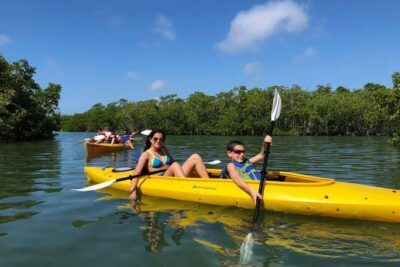
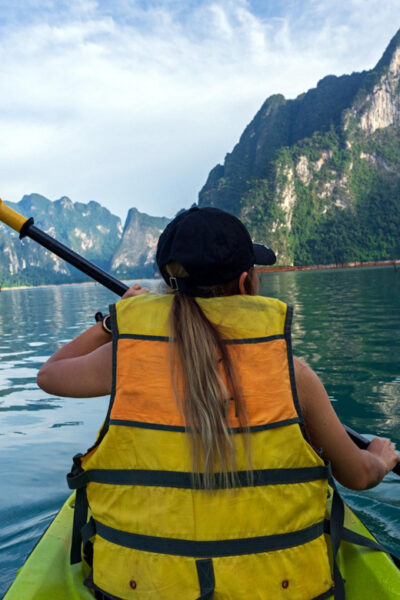
Kayak Adventure through Ao Thalane Mangrove Forest
Read our review →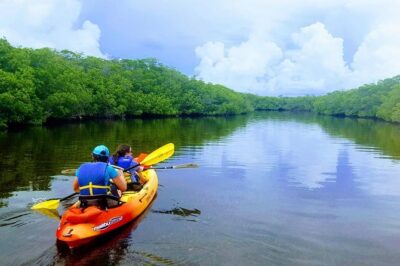
Mangroves and Manatees – Guided Kayak Eco Tour
Read our review →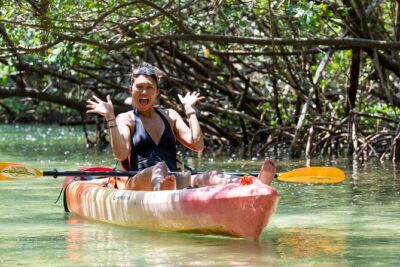
Sarasota Mangrove Tunnel Guided Kayak Adventure
Read our review →
Manatees and Mangrove Tunnels Small Group Kayak Tour
Read our review →
Mangroves, Manatees, and a Hidden Beach: Kayak Tour
Read our review →
Thousand Island Mangrove Tunnel, Manatee & Dolphin Kayak Tour w/Cocoa Kayaking
Read our review →Browse the lists this tour appears in