
REVIEW · CANADA KAYAKING TOURS
Algonquin Park: Canoe Camping Safari
Algonquin’s real magic begins when your canoe leaves Canoe Lake and the road noise fades. Over three days, you paddle quiet waterways, sleep in the forest, listen for loons and wolves, and keep watch for moose along the shore. The small group of up to eight makes it easier to ask questions and get help when the wind or current turns the paddle into work.
I like the practical setup: your guide supplies the canoe, camping gear, permits, meals, and even a hammock, so you can try wilderness camping without buying a garage full of equipment. I also like the mix of wildlife, fishing, swimming, hiking, and campfire time. The main caution is simple: this is not a soft adventure. Rain, wet canoe landings, wind, and small tents can test your patience.
Key points
- Moose watching is a major draw: The operator reports a 90 percent success rate for moose photography and fishing, though wildlife is never guaranteed.
- Guides do the heavy lifting: Jess and Gill have handled instruction, meals, camp routines, and park interpretation for recent departures.
- No previous experience is required: You receive canoe and camping guidance, making this suitable for first-timers who are ready to work.
- The gear is largely supplied: A tent, air mattress, sleeping bag with fresh liner, pillow case, hammock, bug jacket, canoe, paddle, and life jacket are included.
- Weather matters: Pack serious rain gear, closed-toe water shoes, and dry clothing. Small tents may be uncomfortable during long storms.
- Three days gives you real forest time: This is long enough to settle into the rhythm of paddling, cooking, wildlife watching, and sleeping outdoors.
Leaving Canoe Lake with only what you need
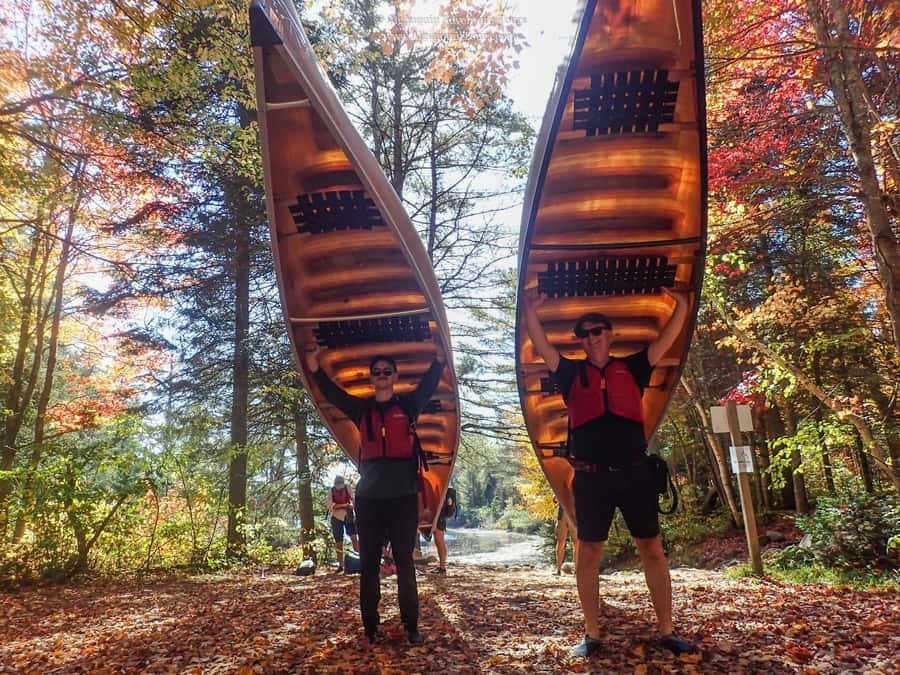
Your trip begins at Canoe Lake beach inside Algonquin Provincial Park. The meeting point is near the Ontario Parks building, at approximately 45.535032, -78.706570. Look for the staff, canoes, or van with the Canadian flag logo.
The access road turns off Highway 60 at the Canoe Lake and Portage Store sign. If you enter through the west gate, watch for the turn after KM 14. From the east gate, it is around KM 15. Park in the first lot on Canoe Lake Road, then carry your bags down to the beach. In hard rain, the meeting point moves to the outside deck of the Ontario Parks Canoe Lake permit building.
That arrival plan matters because this is not a curbside pickup. You need to park, walk down with your belongings, and arrive ready to get organized beside the water. Parking for one vehicle per booking and the required camping permits are included.
You should pack light. The operator specifically asks you not to bring a tent, sleeping bag, personal camping gear, cosmetics, food, or gum. Scented items can attract bears, and space in the canoe is tight. Bring only basic toiletries, including your toothbrush and toothpaste. Biodegradable soap is provided for washing.
More Canoe Trips in Canada
- Banff National Park Big Canoe Tour
★ 5.0 · 303 reviews - From Toronto: Algonquin Park Canoeing & Hiking Adventure
★ 4.6 · 291 reviews - Banff National Park: Big Canoe River Explorer Tour
★ 4.7 · 286 reviews
Your first paddle, with instruction instead of guesswork
You do not need canoe or camping experience, but you do need to accept a bit of effort. The guide gives you instructions before the group gets underway, and recent trips have included simple tasks and challenges for younger participants. That kind of teaching is useful because the first few minutes in a canoe can feel awkward, especially if you have never worked with a paddle or balanced gear in a narrow boat.
The waterways are the focus, not a fast race from one point to another. You will paddle through Algonquin’s forest-framed lakes and channels, getting a close view of the shoreline and a better chance to notice birds and animals than you would from a vehicle. You might also stop to fish, swim, or look for good places to photograph wildlife.
The operator gives a 90 percent success rate for moose photography and fishing. Treat that as an encouraging figure, not a promise. Moose are wild animals, and conditions, timing, wind, and patience all matter. Your guide’s local experience should help the group spend time in promising habitat, but you still need to keep your camera ready and your expectations sensible.
A bull moose may appear as a quick shape at the water’s edge rather than posing in perfect light. That is part of the appeal. Keep your camera accessible, but do not let the search take over the whole trip. The quiet itself is one of Algonquin’s rewards.
A camp routine built around fire-cooked food
At camp, the guide handles more than navigation. Meals are included, and recent departures have featured wholesome, carefully prepared food cooked by the guide. Jess received particular praise for the menus, while Gill was noted for cooking and looking after the group throughout the camp stay.
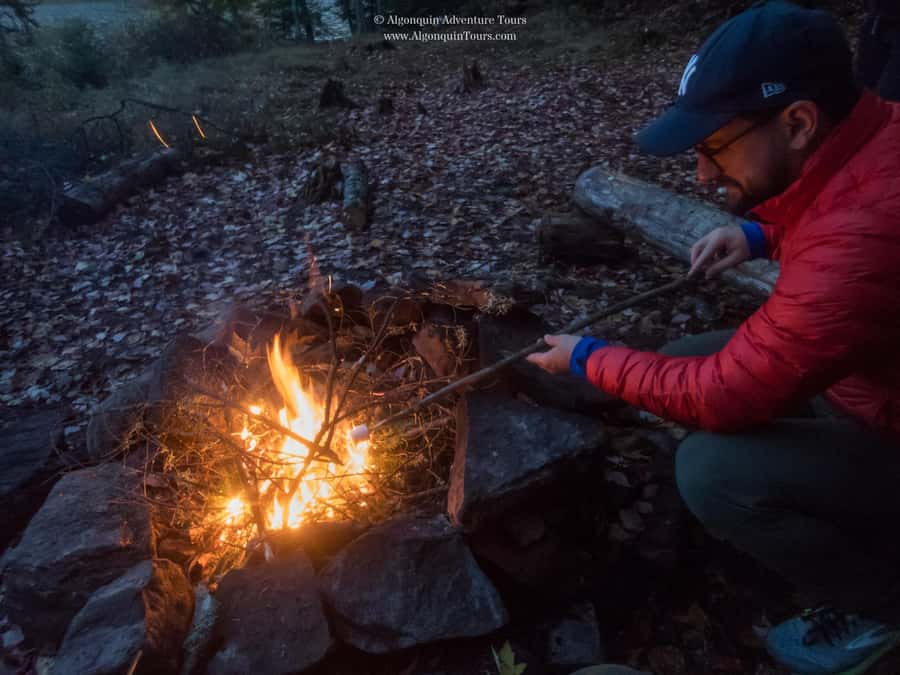
This is important value for a short wilderness trip. You do not need to plan three days of trail food, carry a cooking kit, or work out how to feed yourself after a long paddle. The guide also provides s’mores and something called Henrietta’s, both listed as part of the camp experience.
Even with food provided, camp life is not restaurant service. You may help with simple tasks, and meal times depend on weather, paddling, and the group’s energy. You should expect food by the fire, not a fixed dining schedule or indoor comfort.
Evenings are likely to be the quietest and most memorable part of the trip. You can settle into a hammock, listen for loon calls, and spend time around the fire. The operator also points to the possibility of hearing wolves at night. You may hear them, or you may hear only insects, wind, or the forest settling around camp. Both outcomes fit the setting.
Sleeping gear is supplied, but comfort has limits
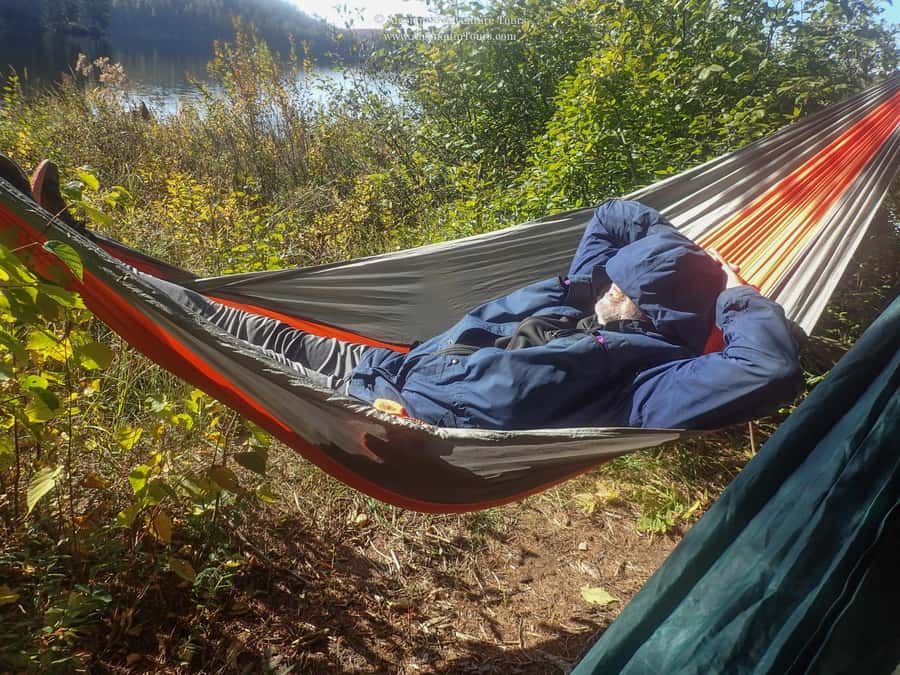
The camping package includes a tent, air mattress, camping pillow case, sleeping bag with a fresh liner, and hammock. That makes this a practical way to try canoe camping without purchasing bulky equipment.
Clean sleeping supplies matter after a day on the water. You can arrive without your own tent or sleeping bag, which keeps packing simple and reduces the cost of trying the activity for the first time. The bug jacket is another useful inclusion during insect-heavy periods.
The tents deserve a realistic note. One recent departure found them too small and unable to keep out heavy rain, resulting in a very wet night. Other campers found the tent, sleeping bag, pillow case, and sleeping mat clean and in good condition. The fair reading is that the sleeping setup works best in normal weather, but it may not provide much protection during an extended storm.
Pack warm layers even in summer. Nights can feel cool after sunset, and wet clothing becomes a serious problem when you have limited space to dry it. A flashlight is required on the packing list, and you should keep it where you can reach it easily after dark.
Same water, a different paddle:
- Three Sisters Sea Kayaking Day Tour
★ 5.0 · 275 reviews - Snorkel, Kayak, and Seal Adventure: Vancouver Boat Tour
★ 5.0 · 264 reviews - River Explorer | Big Canoe Tour in Banff National Park
★ 5.0 · 153 reviews - Banff: Wildlife on the Bow River Big Canoe Tour
★ 4.7 · 130 reviews
Wet feet, wind, and the real work of canoe camping
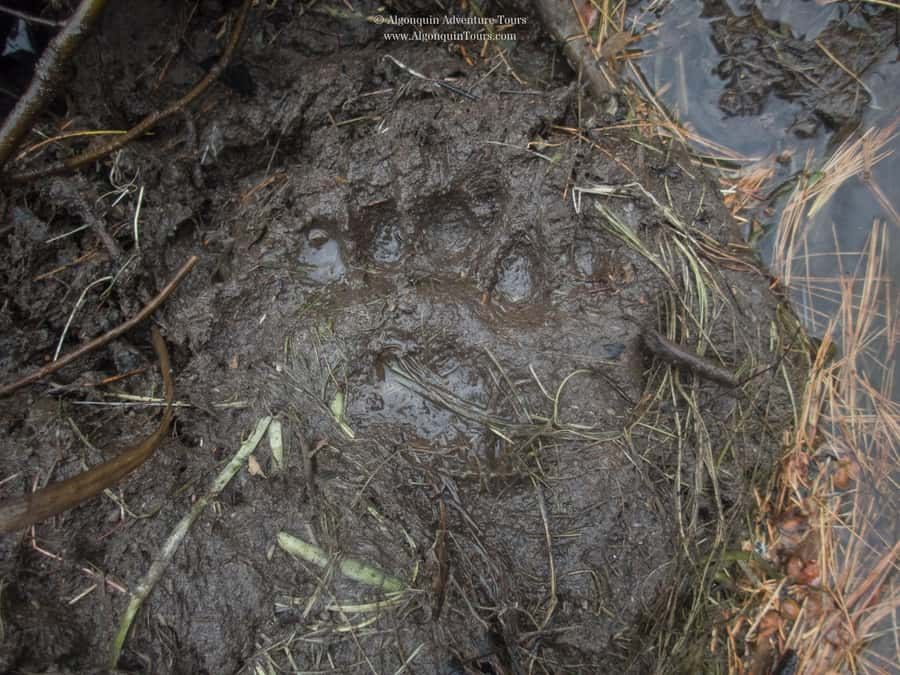
The most useful warning concerns footwear. You repeatedly step in and out of the canoe through shallow water, rocks, and cut beaver wood. The water may reach knee depth. Closed-toe shoes that can handle walking in water are essential.
Do not bring sandals or flip-flops, even if they seem convenient for camp. Water shoes are listed among the recommended items, along with closed-toe shoes, and both are sensible choices for this trip. You will also want a dry change of clothes and a towel for swimming or wet landings.
Rain gear should be proper waterproof and windproof clothing, not a thin poncho that tears or leaves your arms exposed. Extended rain is considered unlikely, but it is possible, and one wet night can change your whole view of camping. Pack warm layers, a sun hat, sunglasses, sunscreen, and swimwear so you are ready for both sides of the forecast.
Wind can also change the effort level. A return paddle against the wind was described as tiring, which is a useful reminder that distance alone does not tell you how hard a day will feel. You may be comfortable on still water and suddenly work much harder when conditions shift.
Wildlife, fishing, swimming, and a short hike
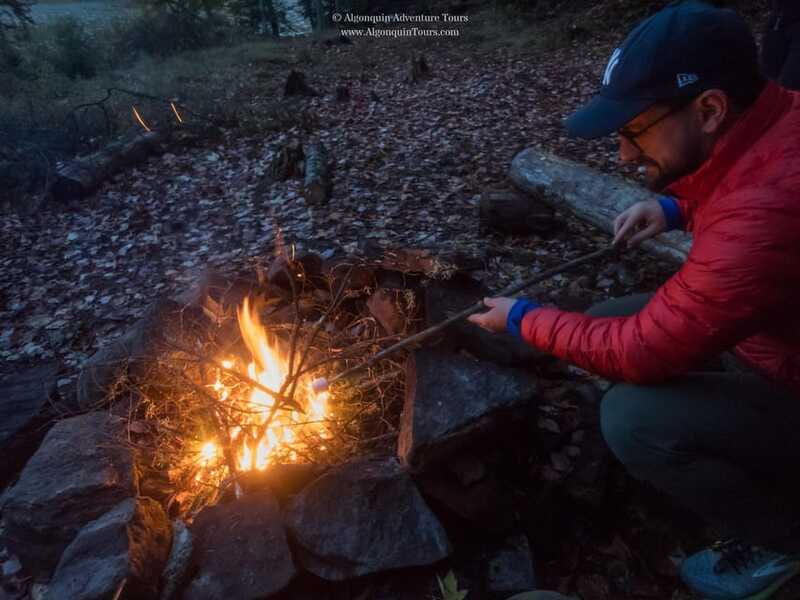
The trip gives you several ways to experience the park. Canoeing is the main activity, but the schedule also includes wildlife viewing, fishing, swimming, and a hike. That variety keeps the three days from becoming one long paddle.
The hike provides a change of pace and a chance to see the forest from land. It is described as a small hike rather than a major trek, so you should not book this expecting a strenuous backcountry walking program. It is a useful break for your legs and a chance to notice details you miss from a canoe.
Fishing is included, and the operator lists a high success rate for fishing along with moose photography. No specific species, equipment details, or fishing license information are provided, so ask the guide what is supplied and what rules apply when you arrive.
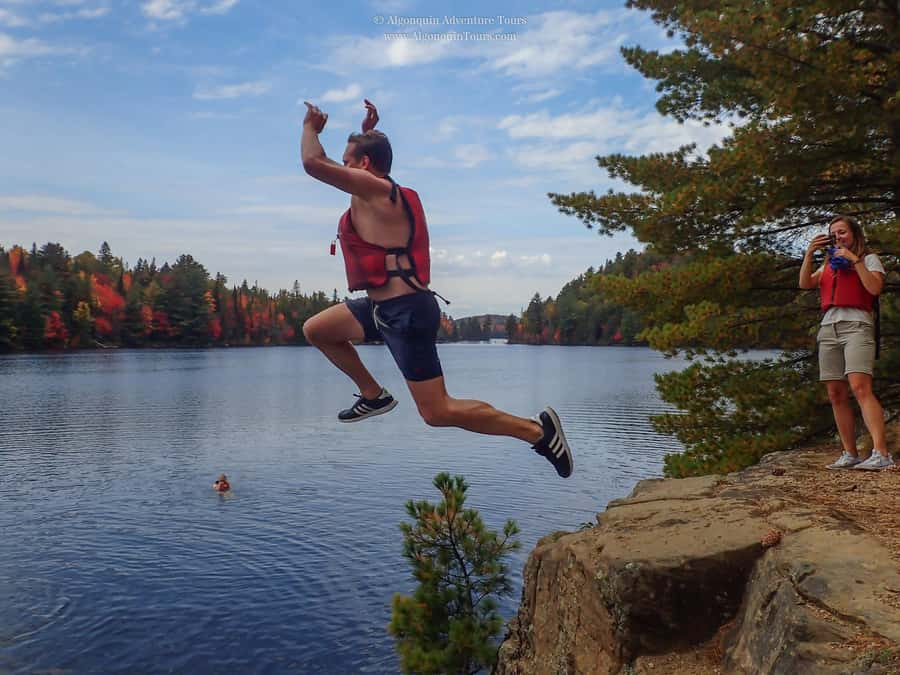
Swimming and cliff jumping are also included in the activity list. The safe approach is to follow the guide’s instructions and assess the conditions before entering the water. You need swimwear, a towel, and footwear that can protect your feet around rocky shorelines.
The wildlife focus is strongest around moose. Your guide can help with habitat, timing, and photography positions, while also sharing information about Algonquin and its natural systems. Recent trips have particularly valued the guides’ park knowledge and their ability to explain what the group is seeing.
Why the small group makes a difference
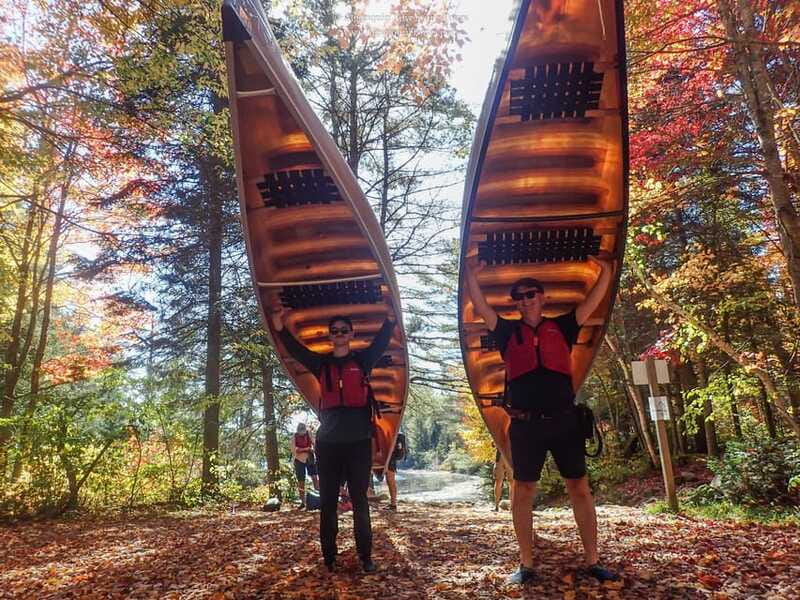
With a maximum of eight participants, this is more personal than a large canoe outing. A guide can give direct paddling advice, keep an eye on younger participants, and adjust the pace to the group.
The age minimum is seven, but that does not mean every seven-year-old will enjoy it. Children need to handle three days of canoe travel, outdoor sleeping, wet landings, and limited personal space. The operator’s format includes small challenges and jokes for younger participants, which can help, but parents should still prepare children for real camp conditions.
Adults should also consider their own fitness and attitude. You do not need advanced skills, but you must paddle, carry your personal items, step through water, and cope with weather. This suits people who want a guided introduction to canoe camping, not people seeking a hands-off sightseeing cruise.
The English-speaking guide is the main source of instruction and information. Guides named in recent departures include Jess and Gill, with Gill also spelled Guil in one account. Guide quality appears to be a strong part of the experience, though practical equipment problems have occurred, including a forgotten water filter and a broken stove. A capable guide can recover from those problems, but it is fair to know that wilderness logistics are not always perfect.
What $519 buys you over three days
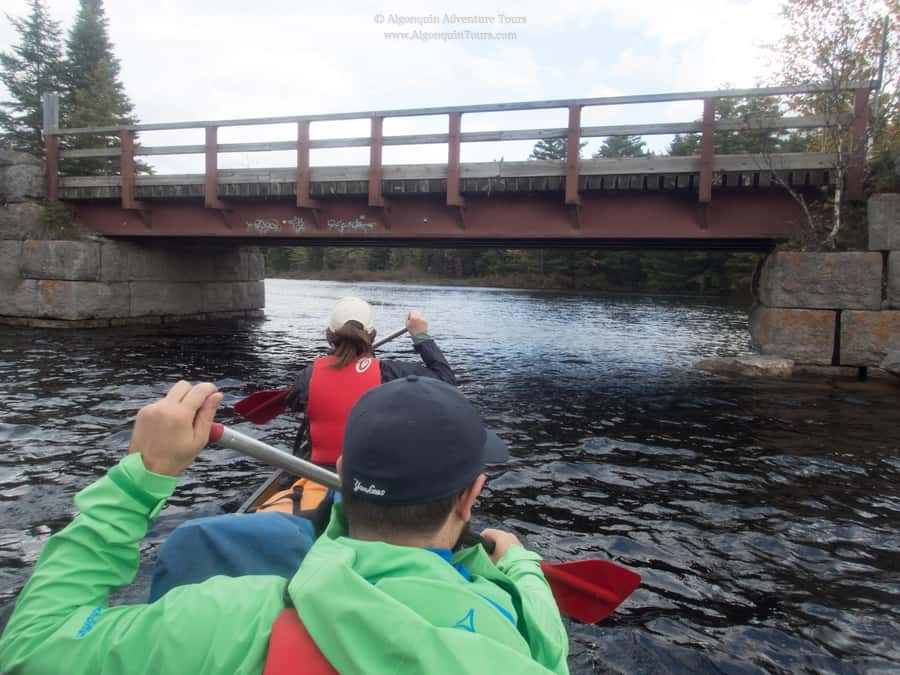
The price is $519 per person. That is not a cheap day trip, but it covers much more than canoe rental. You receive a professional guide, wilderness camping, canoe and paddle, life jacket, camping equipment, meals, permits, parking for one vehicle, a bug jacket, hammock, fishing, swimming, hiking, wildlife viewing, s’mores, and a souvenir water bottle.
The value is strongest if you are new to canoe camping. You avoid buying or transporting a tent, sleeping bag, mattress, canoe, paddles, and safety equipment. You also avoid planning meals and securing the park camping arrangements yourself.
If you already own wilderness gear and have strong canoe skills, the price may feel less attractive. You are paying for guidance, local route knowledge, food, equipment, and the chance to let someone else manage much of the trip. That can be worth it in Algonquin, especially if you want to focus on wildlife and scenery rather than logistics.
The free cancellation policy allows cancellation up to 24 hours before departure for a full refund, and you can reserve now and pay later. Starting times vary, so check the available date before making other plans.
Who should book the Algonquin Canoe Camping Safari
I would recommend this trip to you if you want a first taste of Canadian canoe camping without assembling the whole expedition yourself. It is also a good fit for families with children seven and older, couples who want quiet time outdoors, and photographers hoping for moose.
You should be comfortable with basic physical work and the possibility of getting wet. This is not the right pick if you dislike insects, cannot manage a tent, need a predictable indoor bed, or want a tightly timed sightseeing schedule.
Bring serious rain gear, water-friendly closed-toe shoes, warm clothes, a flashlight, and a dry change of clothes. Leave food, alcohol, cosmetics, scented products, and personal camping equipment at home. Up to four ounces of alcohol is allowed in a suitable container, but you must hand it to the guide for storage and consume it only after dinner and out of the water. Smoking is not permitted.
Should you book it?
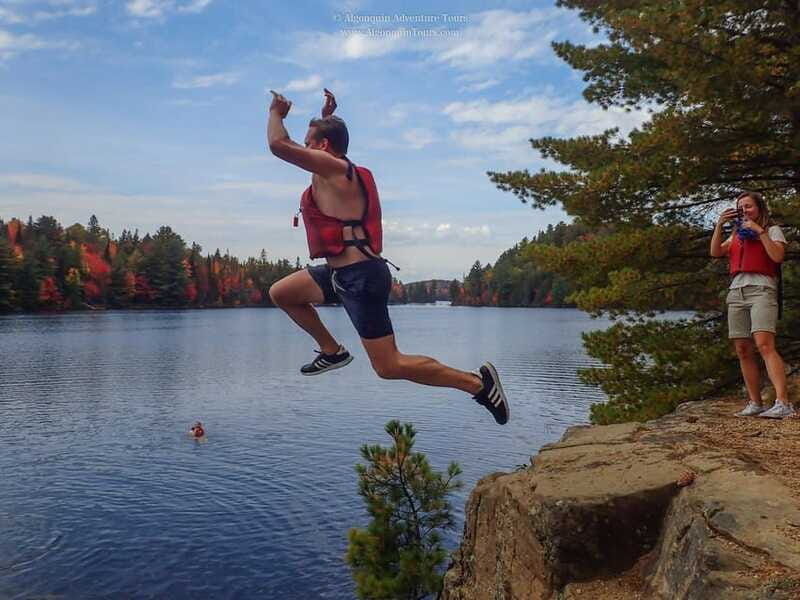
Book this three-day safari if you want the sounds, effort, and quiet of Algonquin with a guide handling the hard planning. The strongest reasons are the small group, supplied gear, guide-led wildlife search, and meals cooked at camp.
Go in with realistic expectations about tents and weather. A 90 percent moose photography rate is appealing, but wildlife is never guaranteed, and wind or rain can make the paddling and sleeping less comfortable. For a prepared beginner who wants real outdoor time rather than a polished resort experience, $519 is a reasonable package price.
FAQ
Where does the Algonquin canoe safari meet?
The meeting point is on the beach at Canoe Lake, near the Ontario Parks building. The location is approximately 45.535032, -78.706570. In hard rain, the group meets on the outside deck of the Ontario Parks Canoe Lake permit building.
How do I find Canoe Lake?
From the west gate, take the Canoe Lake and Portage Store turnoff after KM 14 on Highway 60. From the east gate, look for it around KM 15. Drive about 150 meters up Canoe Lake Road, park in the first lot, and walk down to the beach.
Do I need canoeing or camping experience?
No. The trip is designed for beginners as well as experienced outdoor participants. You still need to accept paddling, wet landings, outdoor sleeping, and some physical effort.
What equipment is included?
The package includes a canoe, paddle, life jacket, tent, air mattress, camping pillow case, sleeping bag with a fresh liner, hammock, and bug jacket. Camping permits and parking for one vehicle per booking are also included.
What should I bring?
Bring warm clothing, sunglasses, a sun hat, swimwear, a change of clothes, a towel, camera, sunscreen, water shoes, flashlight, closed-toe shoes, and proper rain gear. Do not bring personal camping equipment, food, gum, or cosmetics.
Are children allowed?
Children aged seven and older can take part. Children under seven are not permitted. The trip still involves paddling, outdoor sleeping, wet footing, and changing weather, so parents should judge whether their child is ready.
What is the cancellation policy?
You can cancel up to 24 hours before the activity for a full refund. You can also reserve your place and pay later.
Newest paddling trips we have reviewed in Canada
- Vancouver: Snorkeling Seals Kayaking Scenic Boat Tour★ 5.0 · 38 reviews
- Daily SUP Paddleboard Rentals Package in Metro Vancouver★ 5.0 · 18 reviews
- Banff National Park- Double Kayak Experience★ 5.0 · 17 reviews
- Wildlife on the Bow | Big Canoe Tour★ 4.5 · 13 reviews
- Banff National Park Big Canoe Tour★ 5.0 · 52 reviews
- Intro to Stand Up Paddleboarding, Banff National Park★ 5.0 · 35 reviews
- Algonquin Park 3-Day Deluxe Camping & Canoeing Adventure★ 4.5 · 52 reviews
- Algonquin Park 4-Day Deluxe Camping & Canoeing Adventure★ 5.0 · 33 reviews
Canoe Trips, compared.
Phang Nga Bay Sea Cave Canoeing & James Bond Island by Big Boat
Read our review →
James Bond Island Longtail Boat and Sea Canoe Tour
Read our review →
Phang Nga Bay Bioluminescent Plankton and Sea Canoes
Read our review →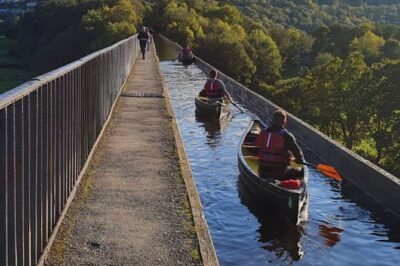
Pontcysyllte Aqueduct Canoe Tours in Llangollen
Read our review →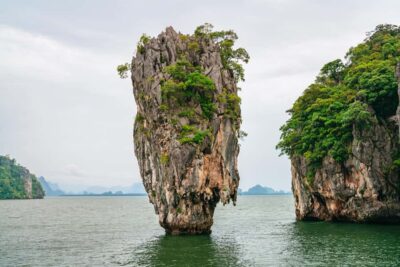
Twilight Sea Canoe & Highlight Glowing Plankton
Read our review →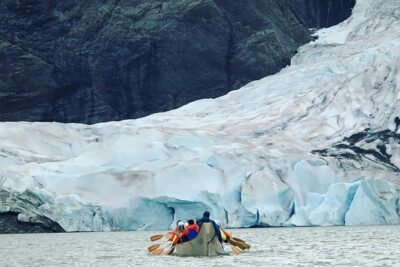
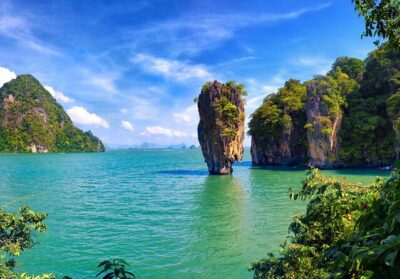
James Bond Island with Canoeing and Lunch by Speedboat
Read our review →
4 Private Cenotes, Zip-Lines, Canoes & Mayan Village with Delicious Lunch
Read our review →Browse the lists this tour appears in