
REVIEW · CANADA KAYAKING TOURS
3 Day Algonquin Park Canoe Trip – Moose & Beaver Safari
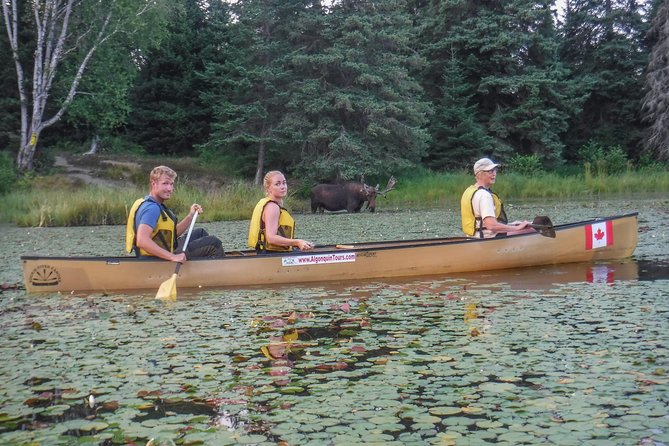
The best part of this trip is the chance to get beyond Algonquin’s easy roadside viewpoints and spend two nights in the park’s backcountry. You paddle, carry your canoe over portages, watch for moose and beaver, then sleep beside a quiet lake rather than rushing back to town. I especially like the small group of up to eight and the fact that the costly camping kit is supplied. The guide does the cooking, but you still learn how canoe camping works.
I also like the relaxed middle day, when you can swim, hike, fish, read in a hammock, or set out at dawn for wildlife. The trade-off is real physical work, mosquitoes, and weather exposure. One group had a wonderful time despite seeing no moose, while another found the insects severe, so bring strong repellent and keep your wildlife hopes flexible.
Key points at a glance
- Two nights in Algonquin’s backcountry: You travel farther into the park than a short canoe outing allows.
- Small-group paddling: One guide usually leads no more than eight participants, creating a personal camp routine.
- Nearly everything for camp is included: Canoe, paddle, life jacket, tent, sleeping bag, sleeping pad, pillow, permits, and parking are supplied.
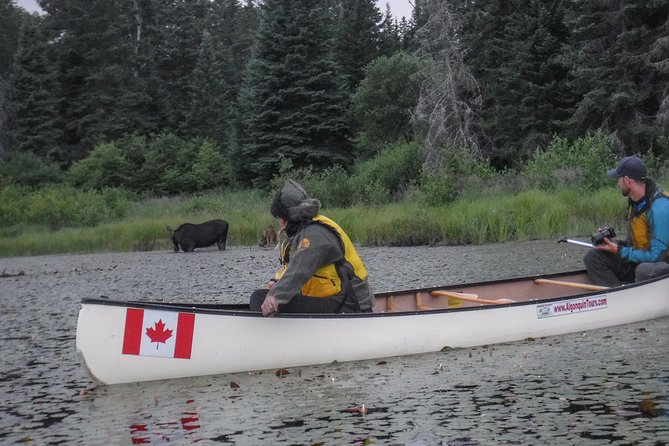
- Wildlife is a central goal: The stated success rate is 90 percent for moose and beaver observation, but sightings remain wild and never guaranteed.
- Food is part of the experience: Meals use organic produce from a local farm, with simple dietary adjustments possible when arranged ahead.
- Expect active days: Paddling, portaging, hiking, swimming, and a final paddle of about 15 kilometres require moderate fitness.
Three days that trade road access for real backcountry time
This is not a sightseeing bus with a short paddle added on. It is a compact canoe-camping trip built around moving through Algonquin under your own power.
You meet at the Canoe Lake Access Point Permit Office, at Highway 60, kilometre 14.1, at noon. This is also where you leave your vehicle, collect your group, eat lunch, and receive the first canoe lesson. From there, your guide organizes the gear and gets everyone comfortable with paddling before the route begins.
The group normally includes up to eight people and one professional guide. That size matters. You are not lost in a crowd, and the guide can watch your technique, help assign canoe positions, and keep the camp routine moving. It also means you will share meals, paddling duties, portages, and the practical business of setting up a wilderness camp with the same small circle for three days.
The pace is active, but this is not presented as an extreme expedition. You need a moderate level of fitness and enough comfort with outdoor chores to carry equipment, paddle for hours, and sleep in a tent. The guide handles much of the organization, yet you are still participating in a working camp.
More Canoe Trips in Canada
- Banff National Park Big Canoe Tour
★ 5.0 · 303 reviews - From Toronto: Algonquin Park Canoeing & Hiking Adventure
★ 4.6 · 291 reviews - Banff National Park: Big Canoe River Explorer Tour
★ 4.7 · 286 reviews
Day one: Canoe Lake is the classroom
The first day begins with lunch and introductions at Canoe Lake. This is useful rather than filler. You meet the people who will share your canoe and campsite, learn how the equipment works, and get a feel for the guide’s approach before heading farther into the park.
Canoe training is included, so you do not need to arrive as a polished paddler. The basic instruction helps new canoeists avoid the usual early mistakes, such as fighting the boat instead of working with it. By the end of the first day, you should have a better sense of steering, rhythm, and how to paddle as a team.
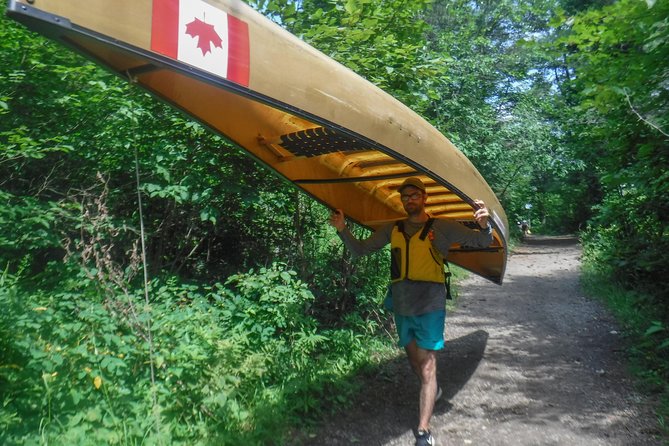
From Canoe Lake, you move toward a backcountry campsite by canoe and portage. The exact route is not specified, so you should not expect a fixed list of named lakes or guaranteed distances for this first stretch. What is clear is the character of the day: paddling, carrying equipment between waterways, learning the camping system, and going farther into Algonquin than a short shore-based outing can take you.
The guide supplies the canoes, paddles, life jackets, and safety kit. Canoes carry three people each, which makes group coordination important. You will not be paddling alone in your own boat, and the arrangement gives you a chance to learn from stronger paddlers while sharing the effort.
Once camp is reached, the guide helps turn a wild site into a workable home for two nights. Your kit includes a tent, sleeping bag with a fresh liner, pillow, and air pad. A foam pad is supplied for anyone over 120 kilograms. Each person also receives a hammock, which becomes especially useful on the second day when the main work is done.
The trip includes access to the best campsites available to the operator in Algonquin, along with camping permits. That saves you from arranging permits and locating a legal site yourself. It also lets you focus on the park rather than the paperwork.
The food and gear make the price easier to judge
The price is $555.96 per person. That is not a bargain for a simple canoe rental, but it covers far more than a boat and a guide.
You receive canoe equipment, camping equipment, permits, vehicle parking, meals, a hammock, a bug jacket, and a souvenir water bottle. The package also includes a professional guide with advanced naturalist training, Wilderness First Responder certification, and food-handling certification. High-quality tour photos are shared through Facebook after the trip.
The food is described as gourmet camp cuisine using organic produce from a local farm. That does not mean restaurant meals in the forest. It means the guide plans more carefully than a basic bring-your-own camping trip, and the group can eat together without every participant carrying and preparing a separate menu.
Simple restrictions, including vegetarian, nut-free, lactose-free, and no-pork meals, can be accommodated if you provide notice. Vegan and gluten-free meals require an additional $50 Canadian plus 13 percent tax. Serious allergies and medical conditions should be reported in advance.
The included equipment removes a large barrier for visitors who do not own camping gear. You still need to bring a flashlight, towel, and backpack or duffel bag. Fishing gear is also extra, unless you bring your own. Ask about renting these items if needed.
A guide tip of 5 to 10 percent is not included and should be brought in cash. That adds to the true cost, so include it when comparing this trip with a self-guided rental.
Day two: A full day beside the water
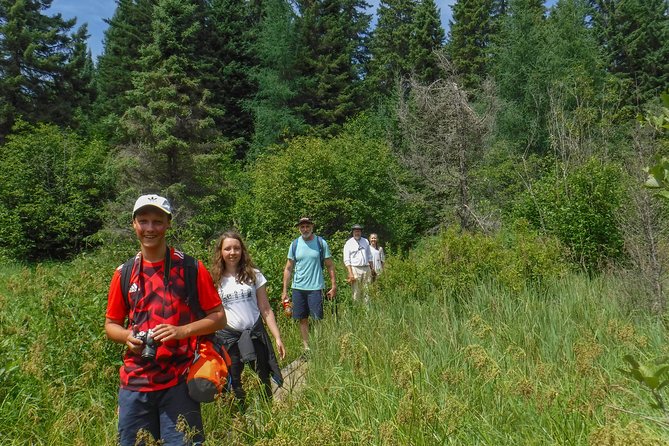
The second day is the heart of the trip. There is no long transfer back to the access point, no scheduled rush through several attractions, and no need to pack camp every few hours. You wake in the backcountry and choose from several ways to use the day.
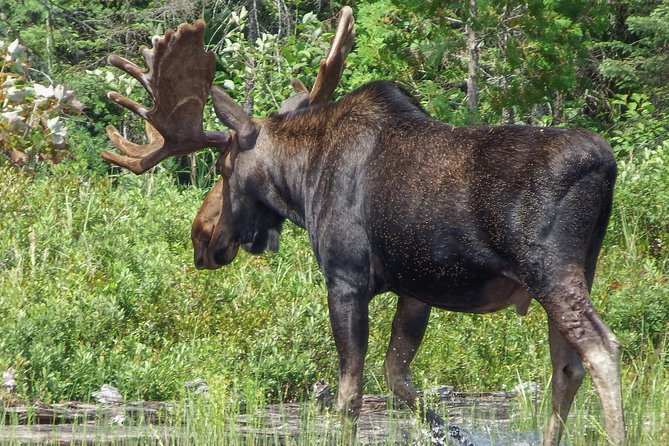
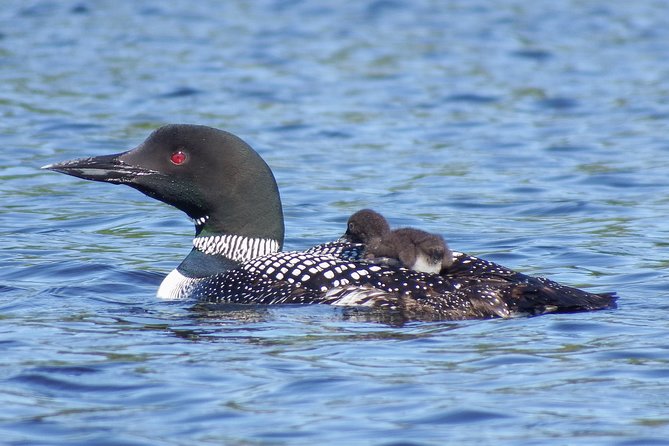
The morning begins with breakfast prepared by the guide. One of the strongest features of the experience is an early canoe outing for wildlife. Dawn is a sensible time to search for moose and beaver, when the water is quiet and animal activity may be easier to spot. You may also hear loons before the day becomes busy with paddling and camp activity.
The stated wildlife success rate is 90 percent for moose and beaver observation. Treat that as an encouraging target, not a promise. One family saw the park’s beauty but no moose, and that is the honest nature of wildlife watching. You might find fresh signs, catch a distant glimpse, or spend the morning seeing nothing more dramatic than still water and birds.
The guide’s naturalist background adds value here. Instead of simply pointing toward an animal, the guide can explain what you are looking for and help you notice small signs of wildlife. If Andrew is leading your departure, you can expect a guide described as friendly, funny, and effective at teaching canoe skills and organizing moose searches. Guides can vary by date.
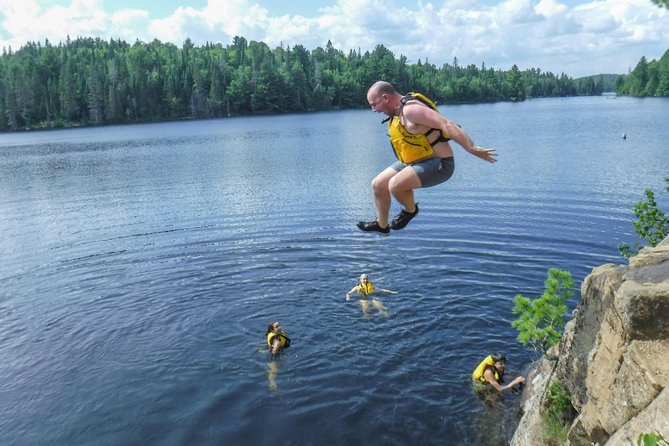
After the wildlife outing, the day opens up. You can paddle, hike, swim in clean lakes, fish for bass or trout, photograph the park, read in your hammock, or simply listen to loon calls. Cliff jumping is available as an optional activity, so you can skip it without missing the main purpose of the trip.
The advertised fishing success rate is also 90 percent, but you must bring or rent your own fishing kit. The same rule of patience applies here as with wildlife. Fishing is an option, not a guaranteed catch.
This flexible day suits people who enjoy a mix of activity and rest. You can take a hike in the morning, swim after lunch, and spend the afternoon in a hammock. Families may appreciate that range, though parents should consider the paddling, portage work, and shared camp responsibilities before bringing younger children. A family with two children enjoyed the format, especially with other children in the group, but the experience still calls for outdoor stamina.
Same water, a different paddle:
- Three Sisters Sea Kayaking Day Tour
★ 5.0 · 275 reviews - Snorkel, Kayak, and Seal Adventure: Vancouver Boat Tour
★ 5.0 · 264 reviews - River Explorer | Big Canoe Tour in Banff National Park
★ 5.0 · 153 reviews - Banff: Wildlife on the Bow River Big Canoe Tour
★ 4.7 · 130 reviews
Sleeping outdoors, with useful comforts
Camping here is comfortable by canoe-trip standards, but it remains camping. You sleep in a tent, use a sleeping bag and pad, and share the sounds and conditions of the forest.
The supplied sleeping bag comes with a fresh liner, and a pillow is included. That is a welcome touch if you are flying into the region or do not want to buy a full camping setup for one trip. The personal hammock gives you a place to rest away from the tent during the day.
Insects are the main nuisance to plan for. One departure had heavy mosquito activity, and repellent containing more than 30 percent DEET was advised. The operator supplies a bug jacket for each person and a mesh dining shelter when required, but you should still pack effective repellent and clothing that covers your arms and legs.
A towel and flashlight are not supplied. Those are easy to overlook when the larger gear list is handled for you. Pack both, along with a small personal bag that is practical to carry over portages.
Day three: A stronger paddler returns to Canoe Lake
On the final morning, you pack the supplies while the guide prepares breakfast. This reversal is a small but useful part of the design. You are not expected to know how to break camp on your own at the start, but after two nights you have seen the system and can take part with confidence.
The paddle back to Canoe Lake is about 15 kilometres. It should feel easier than the outward journey because you have learned the canoe strokes, settled into a rhythm, and gained experience with the gear. It is still a substantial distance, especially if wind or tired arms become factors.
The final day is shorter, listed at about six hours, but the distance and portages give it weight. Plan to finish at the same Canoe Lake meeting point where you started. The activity ends there, so your vehicle is conveniently waiting at the access point.
This last paddle is also a useful test of whether the tour suits you. If the idea of 15 kilometres by canoe sounds satisfying, the trip is likely a good match. If it sounds intimidating, remember that the guide provides instruction and the canoes carry three people, but do not treat the distance as a casual float.
What makes the guide important
A canoe trip can be pleasant with equipment alone, but the guide is what turns it into a learning experience. This guide handles safety, meals, route decisions, canoe instruction, campsite organization, and wildlife interpretation.
The professional guide is certified in Wilderness First Responder training and food handling. That does not remove every risk from remote travel, but it gives the trip a stronger safety foundation than an informal rental.
You also gain practical canoe-camping skills without needing to build the entire system yourself. You learn how the boats work, how group travel feels, how camp is organized, and how to live comfortably with fewer supplies. The guide’s naturalist training is especially useful during moose and beaver searches, when patience and observation matter more than speed.
Because the group is small, you should be ready to cooperate. You will share space, meals, boats, and daily tasks with people you may not know. The reward is a more social experience and, often, new friends from different countries. The drawback is that you cannot retreat completely into your own schedule.
Who should book this Algonquin canoe trip?
I would recommend it to you if you want real time in Algonquin without purchasing a canoe, tent, sleeping bag, permits, and cooking supplies. It works well for first-time canoe campers who are willing to paddle, carry gear, and sleep outdoors.
It is also a strong choice for people who care more about quiet water and wildlife than a packed sightseeing schedule. The second day gives you room to slow down, and the dawn canoe outing offers a better chance to see the park when it is calm.
Families can enjoy it, especially if children are comfortable outdoors and can manage long active days. The small group helps create a friendly atmosphere, but parents should be honest about the children’s ability to paddle, portage, swim safely, and sleep in a tent.
I would hesitate to recommend it if you need private accommodation, dislike mosquitoes, or want guaranteed moose sightings. I would also think twice if a 15-kilometre return paddle sounds unpleasant. The trip is organized and well equipped, but it does not turn wilderness travel into a hotel stay.
Booking details worth knowing before you commit
The tour starts at noon at Canoe Lake Access Point Permit Office, Highway 60 at kilometre 14.1, in Ontario. It returns to that same meeting point after approximately three days.
Confirmation is provided when you book. The minimum number of participants must be met, and poor weather can lead to a change of date or a full refund. You can cancel for a full refund up to three full days before the start time. Cancellations or changes inside that window are not refunded or accepted.
The experience is available as a mobile ticket. Bring the items the operator does not supply, especially a flashlight, towel, and suitable small bag. Since the trip relies on weather and outdoor conditions, pack for wet weather and insects rather than assuming three warm, dry days.
Should you book it?
Book this trip if you want Algonquin as a place to live in briefly, not just a place to photograph from the roadside. The strongest value comes from the combination of a small group, trained guide, supplied camping gear, meals, permits, and two nights in the park.
Go in expecting work as well as beauty. You may see moose and beaver, but you may also spend a quiet morning searching without a sighting. With sensible expectations, strong mosquito protection, and moderate fitness, this is a practical way to gain canoe-camping skills and experience Algonquin at a slower, more personal pace.
FAQ
Where does the canoe trip start?
It starts at the Canoe Lake Access Point Permit Office on Highway 60 at kilometre 14.1, in Ontario.
What time does the activity begin?
The stated start time is 12:00 pm.
Where does the trip finish?
The activity ends back at the Canoe Lake meeting point.
How many people are in the group?
The group has a maximum of eight participants, usually with one professional guide.
Is canoe equipment included?
Yes. Canoes, paddles, life jackets, and a safety kit are included. Each canoe carries three people.
Is camping equipment included?
Yes. The package includes a tent, sleeping bag with a fresh liner, sleeping pad, and pillow. A foam pad is supplied for anyone over 120 kilograms.
Are meals included?
Breakfast, lunch, and dinner are included. Simple restrictions can be accommodated with advance notice. Vegan and gluten-free meals require an additional $50 Canadian plus 13 percent tax.
What should I bring?
You need to bring a flashlight, towel, and backpack or duffel bag. Fishing equipment is not included, so bring or rent a kit if you want to fish. You should also bring effective mosquito repellent.
Is a guide tip included?
No. A cash tip of 5 to 10 percent of the tour cost is suggested.
Can I cancel for a full refund?
Yes, if you cancel at least three full days before the experience start time. Cancellations or changes made less than three full days before departure are not refunded or accepted.
More Three-Day Trips in Canada
- Algonquin Park 3-Day Deluxe Camping & Canoeing Adventure
★ 4.5 · 52 reviews - All-Inclusive 3 Day/2 Night Halong Luxury Cruise Meals, Cave, Kayaking, Swimming
★ 5.0 · 346 reviews - From Lan Ha Bay: 3-Day 2-Night Cruise with Meals & Kayaking
★ 4.5 · 131 reviews - Stockholm: 1, 2, or 3-Day Kayaking Tour in the Archipelago
★ 4.8 · 17 reviews
Newest paddling trips we have reviewed in Canada
- Vancouver: Snorkeling Seals Kayaking Scenic Boat Tour★ 5.0 · 38 reviews
- Daily SUP Paddleboard Rentals Package in Metro Vancouver★ 5.0 · 18 reviews
- Wildlife on the Bow | Big Canoe Tour★ 4.5 · 13 reviews
- Banff National Park- Double Kayak Experience★ 5.0 · 17 reviews
- Banff National Park Big Canoe Tour★ 5.0 · 52 reviews
- Intro to Stand Up Paddleboarding, Banff National Park★ 5.0 · 35 reviews
- Algonquin Park 3-Day Deluxe Camping & Canoeing Adventure★ 4.5 · 52 reviews
- Algonquin Park 4-Day Deluxe Camping & Canoeing Adventure★ 5.0 · 33 reviews
Canoe Trips, compared.
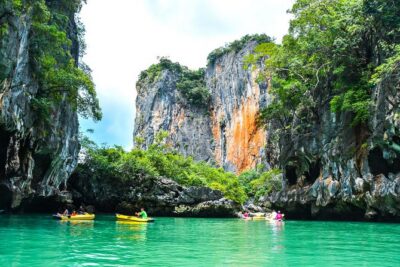
Phang Nga Bay Sea Cave Canoeing & James Bond Island by Big Boat
Read our review →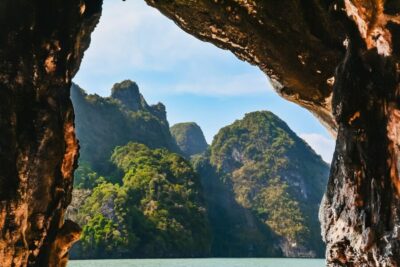
James Bond Island Longtail Boat and Sea Canoe Tour
Read our review →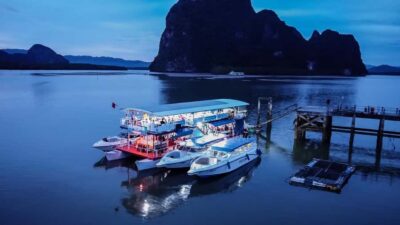
Phang Nga Bay Bioluminescent Plankton and Sea Canoes
Read our review →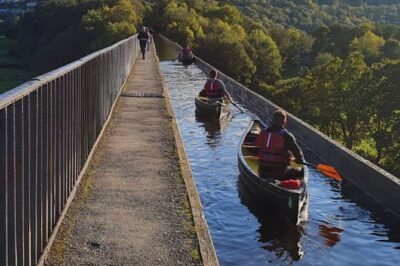
Pontcysyllte Aqueduct Canoe Tours in Llangollen
Read our review →
Twilight Sea Canoe & Highlight Glowing Plankton
Read our review →
James Bond Island with Canoeing and Lunch by Speedboat
Read our review →
4 Private Cenotes, Zip-Lines, Canoes & Mayan Village with Delicious Lunch
Read our review →Browse the lists this tour appears in