
REVIEW · CANOE TRIPS
Arusha:Canoeing/Kayaking &/or Cycling Adventure (with Lunch)
Lake Duluti gives this outing a fine opening: quiet canoeing beneath forest trees, with fish eagles, kingfishers, cormorants, monkeys, and sometimes Mount Meru in the distance. I like the mix of wildlife watching and ordinary village life, followed by a cycle through farms to Mangalia Waterfall. The late lunch is another strong point, especially for anyone wanting local food rather than a standard tourist meal.
The main catch is the bicycle ride. Expect rough roads and a few serious hills on the way to the waterfall, and check the bike before setting off. Also confirm whether you will paddle the canoe yourself, since the setup may be more of a guided boat ride than an independent kayaking session.
Key points at a glance
- Lake Duluti wildlife: Look for up to 130 recorded bird species, plus monitor lizards and blue and vervet monkeys.
- A real uphill cycle: The route through local towns and farms can be bumpy and tiring before the easier ride back.
- Mangalia Waterfall swim: Bring suitable swimwear for a cool break in mountain water.
- Chagga culture: The visit to a small brewery introduces you to mbege, a traditional banana beer, when available.
- Local lunch: Food is served late, around 2 to 3pm, and can accommodate dietary needs when arranged.
- Good overall value: At $55, the price covers transport, guide, entry costs, food, and drinks.
Lake Duluti sets a calm tone
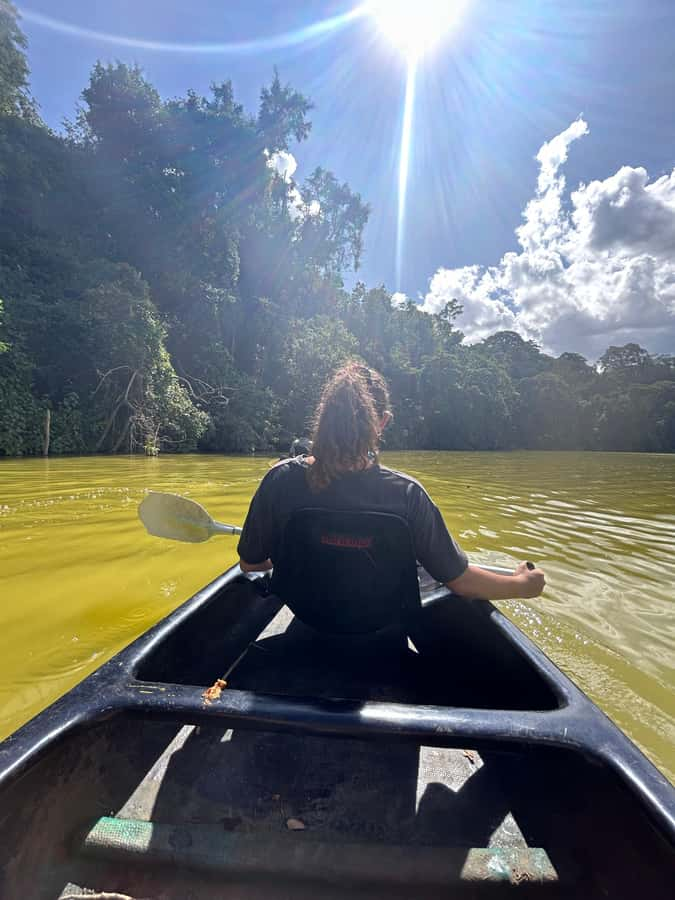
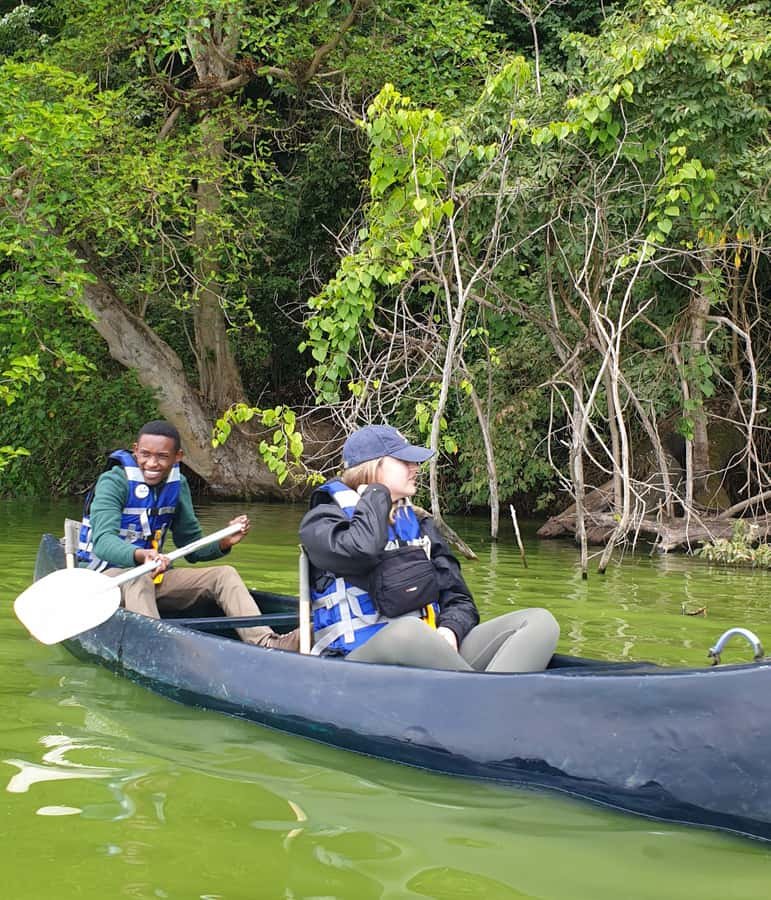
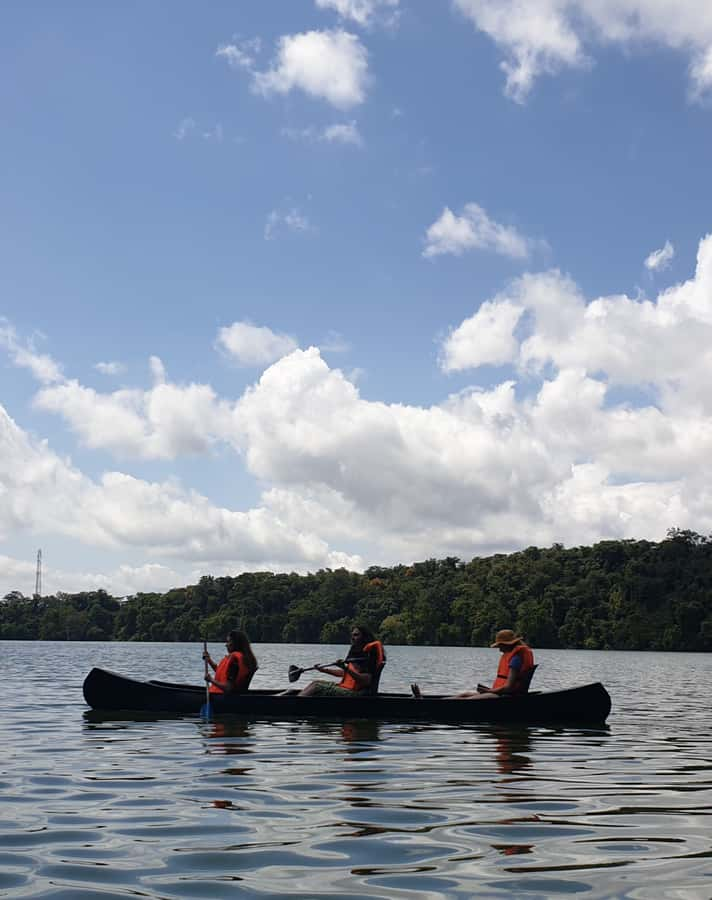
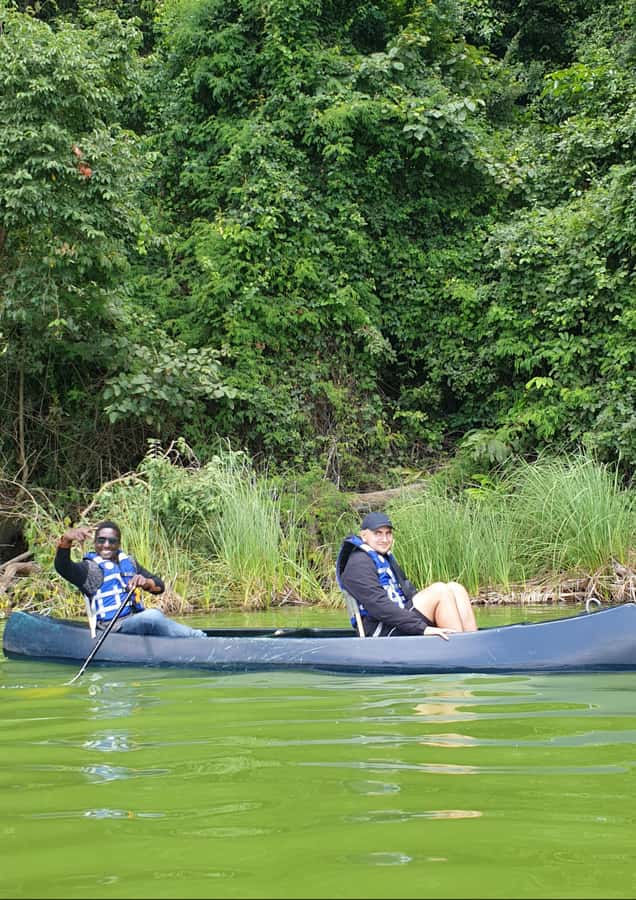
The day starts at Lake Duluti, a caldera lake near Arusha. The canoe trip lasts about 1.5 to 2 hours, and it is the gentlest part of the outing. You move around the lake edge at an easy pace while your guide points out plants, birds, and animals.
This is not a fast boating trip. The appeal is the quiet. Broken trees along the shore give monitor lizards a place to bask, while the surrounding forest provides cover for birds and monkeys. A sharp-eyed guide can make the difference here. Derrick and Derek have both been singled out for explaining local ecology, animal behavior, and Tanzanian culture in a clear, friendly way.
Birdwatching is the main reason to take the canoe portion seriously. Lake Duluti has up to 130 recorded bird species. You might see gray herons, fish eagles, cormorants, ospreys, egrets, or kingfishers. Sightings are never guaranteed, but the slow pace gives you a fair chance to notice more than you would from the shore.
Blue monkeys and vervet monkeys may also appear in trees near the water. One especially appealing part of the outing is watching them feed on fruit along the lake edge. You will need patience, and your guide may spend time positioning the canoe so you can see an animal properly.
On a clear day, Mount Meru and even Mount Kilimanjaro may be visible. Treat those views as a bonus rather than a promise. Cloud cover can change quickly, and the forest and lake remain worthwhile even when the big peaks are hidden.
One practical point needs clarification before booking. The experience is described with canoeing, kayaking, and a boat cruise, but one person wanted more chance to paddle independently. Ask the operator if you will handle the paddle or ride with a guide. That small detail can change the feel of the morning.
More Canoe Trips in the world:
- Phang Nga Bay Sea Cave Canoeing & James Bond Island by Big Boat
★ 5.0 · 4,666 reviews - From Phuket: Phang Nga Bay and Canoeing Tour by Big Boat
★ 4.7 · 3,528 reviews - Phuket: James Bond Island Longtail Boat and Sea Canoe Tour
★ 4.8 · 2,364 reviews
From Duluti to farms and village roads
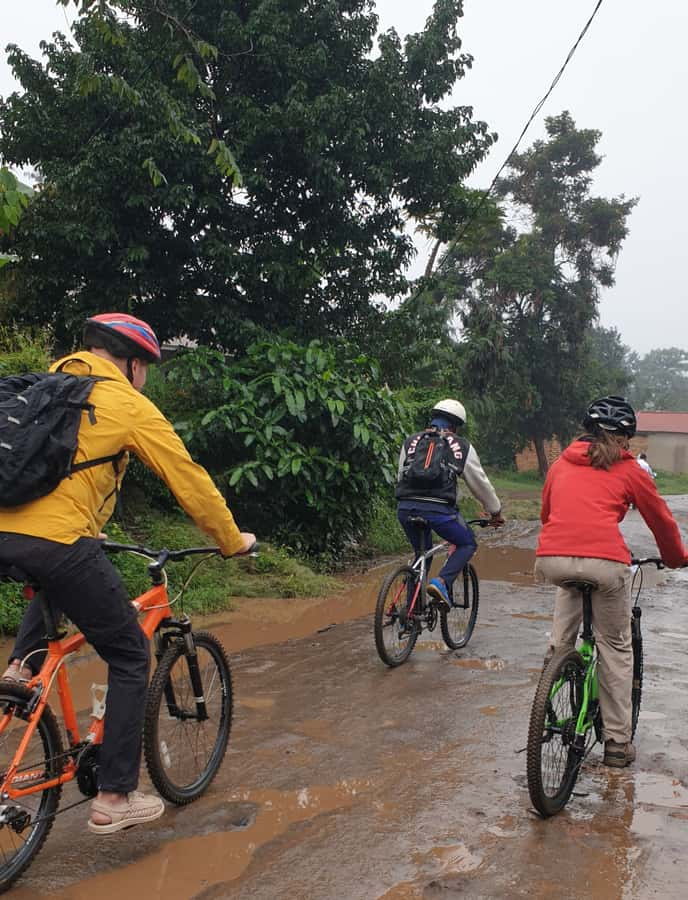
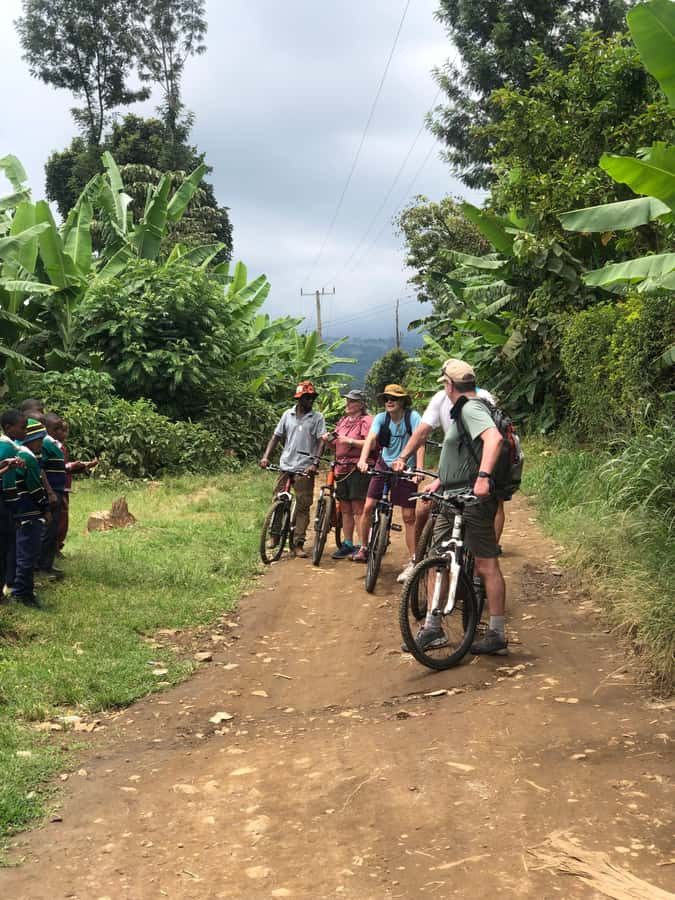
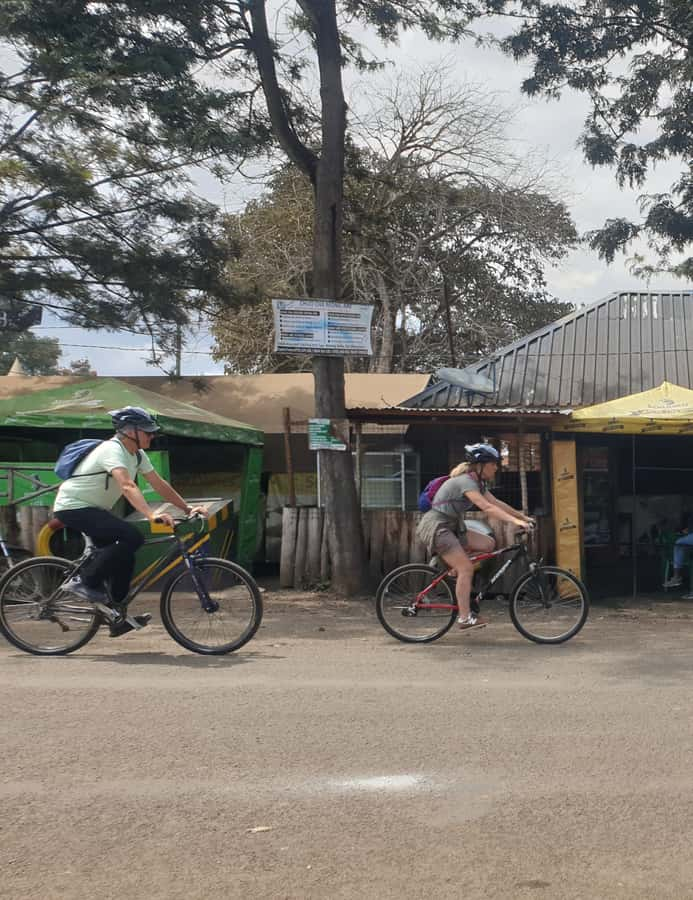
After the lake, the day changes character. You get on a bicycle and follow roads toward Mangalia Waterfall, with the route taking roughly three to five hours in total depending on pace and stops. Some accounts describe about an hour of actual uphill cycling, followed by a more comfortable return.
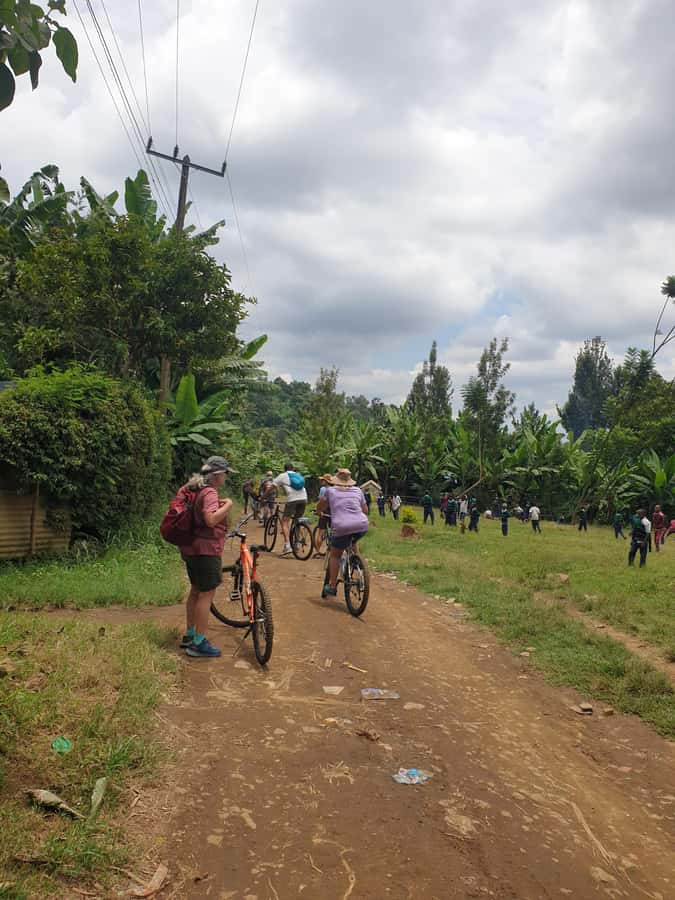
The route passes coffee farms, banana plants, local homes, and small towns. This is the part that gives the tour its human scale. Instead of viewing northern Tanzania only from a safari vehicle, you see working farms and daily routines at road level.
The cycling is not a polished trail ride. Roads can be very bumpy, and there are a couple of substantial hills. One recent assessment found the bicycles in need of better care, so inspect yours before leaving. Check the brakes, saddle height, tires, and gears if the bike has them. Tell the guide early if the fit is poor.
You do not need to be an elite cyclist, but you should be comfortable with a long outing and uneven roads. The guide can adjust the pace and regularly check how you are doing. Still, the uphill section may be demanding, especially after a warm morning on the lake.
The reward is the setting. You pass through local communities rather than simply being driven to a waterfall viewpoint. That means more sights, more chances to greet people, and a closer look at the farm areas around Tengeru. It also means the route can be slower and less predictable than a paved sightseeing ride.
If you are deciding between this and a dedicated cycling tour, choose this one for variety. The bicycle ride is one part of a larger day, not a technical sports activity. You get nature, culture, food, and a swim, but none of those parts receives the full attention it would on a specialist tour.
A taste of Chagga brewing traditions
Along the route, the group may stop at a small home brewery where mbege is prepared. This is a traditional banana beer associated with the Chagga people. The stop offers useful cultural context because it connects the banana farms you pass with a drink made in the area.
The wording matters here: banana beer is part of the planned experience, but it may not always be served. One person booked this specifically and did not receive a tasting. If mbege is important to you, confirm availability before the day begins rather than assuming it is guaranteed.
You should also feel free to decline a taste if you do not drink alcohol. The value of the stop is not only the sample. It is the chance to see how a local drink fits into community life and to ask your guide about its ingredients and preparation.
This is a small stop, not a formal brewery tour. Keep your expectations at the right level. You are getting a brief introduction to a local custom, not a long presentation or a commercial tasting room.
Mangalia Waterfall and the uphill payoff
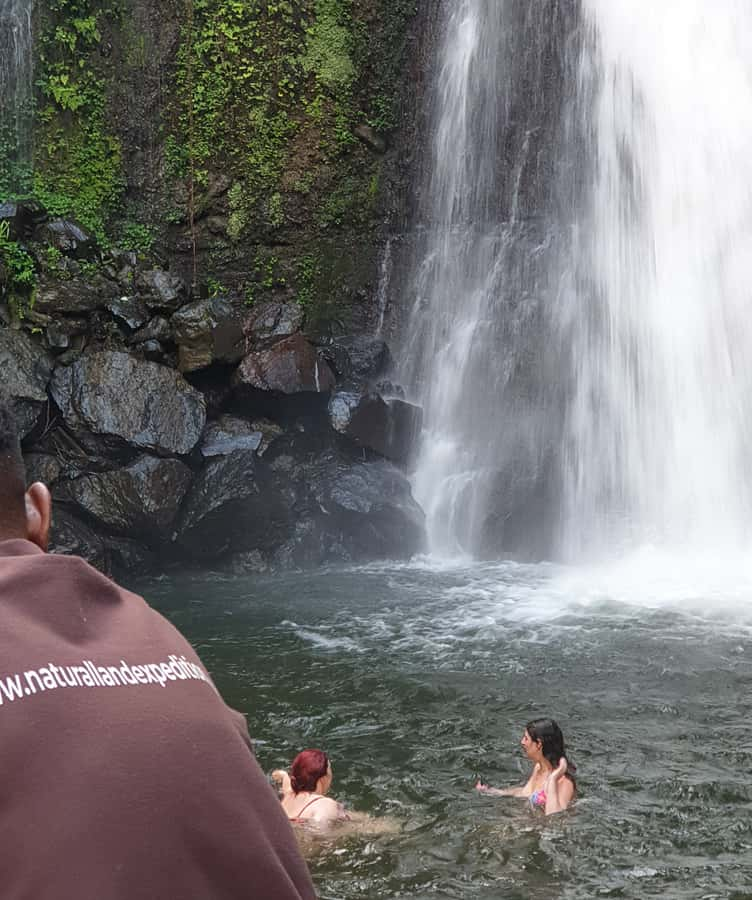
Mangalia Waterfall is the main physical reward of the cycling section. After the uphill ride, you can cool off in the mountain water. Bring swimwear, a small towel, and a way to keep valuables dry.
The waterfall stop is especially useful because it breaks up the active part of the day. You are not simply cycling for exercise. You have a clear destination and time to rest before returning.
The return ride is described as mostly downhill, which should make it easier, though rough roads still require care. Do not rush simply because the direction changes. A loose surface, poor bicycle condition, or wet brakes can make downhill riding uncomfortable.
The timing is flexible. The full trip can last anywhere from four to ten hours, and the cycling portion may stretch based on fitness, stops, and road conditions. The usual pattern puts lunch around 2 to 3pm, with the day ending in Tengeru around 3 to 4pm.
That late finish is worth planning around. Have breakfast before pickup, carry water if the operator allows it, and avoid scheduling a tight afternoon transfer. The included lunch is welcome, but you may be hungry by the time it arrives.
More Paddle Days with Lunch in the world:
- Halong Bay Day Tour With Titop Island, Cave, Kayak & Lunch
★ 5.0 · 2,551 reviews - Barcelona: Costa Brava Kayak, Snorkel & Cliff Jump & Lunch
★ 4.9 · 2,391 reviews - Hanoi: Islands & Caves Ha Long Cruise with Lunch & Kayaking
★ 4.4 · 1,317 reviews - Ha Long Bay Cruise Day Tour – Cave, Kayaking, Swimming & Lunch
★ 5.0 · 1,244 reviews
Local lunch closes the loop
Lunch is served after the waterfall and cycling, often at a local place around Tengeru. It is described as generous and tasty, and the meal can be adjusted for dietary needs. Tell the operator about allergies or restrictions in advance so the kitchen has time to prepare.
This final meal matters because it keeps the day connected to local life. You are not ending at a generic roadside stop after a scenic activity. You sit down for food after seeing farms, homes, and village roads firsthand.
The lunch is also part of the price, along with drinks. Since the $55 rate includes hotel pickup and drop-off, a guide, entry fees, food, and drinks, I consider it a strong value for a full half-day or longer outing. The value improves if you are staying in Arusha and would otherwise need separate transport to Lake Duluti and Mangalia.
Pickup and drop-off are available in Arusha or Moshi. That flexibility is useful, though the ride from Moshi may make the total day longer. Ask for the exact pickup time and expected return if you are connecting to another activity.
What the guides add to the day
The guide is central to this experience. The lake can be pleasant without explanation, but the guide turns it into a wildlife walk on water. You learn which birds you are seeing, how the forest fits around the lake, and what animals may be hiding along the shore.
Derrick received especially strong marks for being attentive and explaining animals, plants, and culture. Derek was also praised for his grasp of natural ecology and Tanzanian traditions. Guides may change, but these examples show the level of interpretation you should hope for.
Good guiding also matters on the bicycle route. The guide can set a manageable pace, point out farm activities, explain local customs, and check your comfort on the hills. One guide regularly asked about speed and wellbeing, which is exactly what you want on an uneven rural route.
A driver named Coploo has also been praised for being friendly, informed, and helpful with transfers. Pickup is part of the experience, not an afterthought, since the activity begins and ends outside central Arusha in the Tengeru area.
The standard language is English. A private group is available, which can be useful if you want a slower cycling pace, more time for photography, or a quieter canoe ride.
Who will enjoy this combination
I would recommend this to you if you want a day that joins several small experiences rather than one major attraction. It suits nature lovers, casual cyclists, birdwatchers, and visitors curious about everyday life around Arusha.
It is also a good choice if you have already seen the main safari areas and want something active near town. The canoe ride is calm, the cycle adds effort, the waterfall gives you a swim, and the lunch provides a taste of local food.
Families and mixed-ability groups should discuss the cycling section first. The guide can adjust the pace, but the hills and rough roads are real considerations. The trip may not suit anyone looking for a smooth, easy ride or a fully polished tourist facility.
Birdwatchers should bring patience and, if they have one, compact binoculars. The bird list is impressive, but nature watching depends on weather, timing, and luck. A cloudy day may reduce mountain views while making the lake feel especially quiet.
You should also choose this outing if cultural contact matters to you. The farm roads, brewery stop, and local meal offer more connection to daily life than a short scenic boat trip alone.
Practical details before you book
The listed cost is $55 per person. That includes transport, a guide, entry and activity fees, food, and drinks. For a private or small group experience, this is a sensible package because you avoid arranging separate transfers and entrance payments.
The exact start time depends on availability. Plan for four to ten hours overall, with the longer end more likely when transfers, cycling pace, stops, and lunch take more time. The stated end is around 3 to 4pm in Tengeru.
Wear clothes suitable for cycling and a possible swim. Closed shoes are sensible for the uneven road, and a spare shirt will make the waterfall stop more comfortable. Bring sun protection and anything you need for personal comfort, though the tour includes food and drinks.
Cancellation is free up to 24 hours before departure, and you can reserve now and pay later. Those terms are useful if your Arusha plans may shift, but they do not remove the need to check pickup details and the canoe setup before you commit.
Should you book it?
Book this tour if you want an active, varied day with excellent guiding, local food, and a close look at the area around Lake Duluti and Tengeru. The combination is the real strength. You get wildlife, rural roads, a waterfall swim, Chagga culture, and transport in one package.
Skip it if you want a smooth bicycle path, guaranteed banana beer, or a fully independent kayaking session. The roads can be rough, the bikes may be basic, and the canoe may be guide-led.
For most visitors with reasonable fitness, I think the $55 price is fair and the experience offers more local contact than a standard short excursion. Confirm the bicycle condition, paddling arrangement, and mbege availability first. Then book it as a flexible, full morning and afternoon rather than a tightly timed stop between other plans.
FAQ
Where does the tour begin?
Pickup is available from Arusha or Moshi. The exact pickup point is arranged with the operator.
Where does the tour end?
The activity ends in Tengeru, with drop-off available in Arusha or Moshi.
How long is the experience?
The stated duration is four to ten hours. The canoe ride lasts about 1.5 to 2 hours, while the cycling section to Mangalia Waterfall and back takes about three to five hours depending on pace and stops.
Is lunch included?
Yes. Lunch and drinks are included, and lunch is usually served around 2 to 3pm.
Can I swim at Mangalia Waterfall?
Yes. The waterfall stop includes the chance to swim in the cool mountain water.
Will I taste traditional banana beer?
The route includes a visit to a small brewery that prepares mbege, a Chagga traditional banana beer. Availability can vary, so confirm this if the tasting is important to you.
What language does the guide speak?
The live guide speaks English.
Is the tour private?
A private group option is available. The standard arrangement may vary, so check the group setup when booking.
Newest paddling trips we have reviewed in the world
- Cabo Private Catamaran: Chill Experience with Sup and Float Mat★ 4.5 · 12 reviews
- Park and Paddle Package★ 5.0 · 39 reviews
- Private Kayak Tour in the Venetian Lagoon★ 4.5 · 32 reviews
- Giants Causeway Coast Sea Kayaking★ 5.0 · 12 reviews
- Budva: 2-Hour «Night Lights» Kayak Tour★ 5.0 · 11 reviews
- Skadar Lake on kayaks Experience with Spectacular Views★ 5.0 · 23 reviews
- SUP-board and kayak rental point: from 1 hour to full day★ 5.0 · 8 reviews
- Budva: Kayak & SUP Rental★ 5.0 · 16 reviews
Canoe Trips, compared.
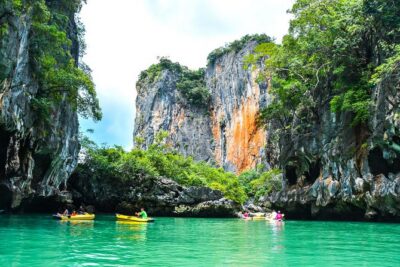
Phang Nga Bay Sea Cave Canoeing & James Bond Island by Big Boat
Read our review →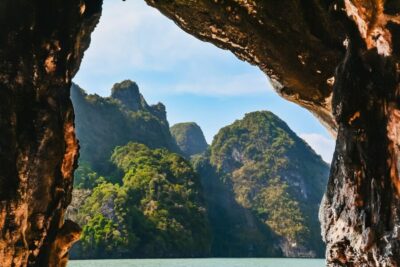
James Bond Island Longtail Boat and Sea Canoe Tour
Read our review →
Phang Nga Bay Bioluminescent Plankton and Sea Canoes
Read our review →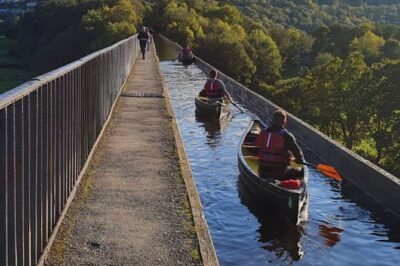
Pontcysyllte Aqueduct Canoe Tours in Llangollen
Read our review →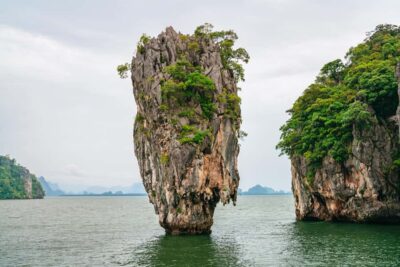
Twilight Sea Canoe & Highlight Glowing Plankton
Read our review →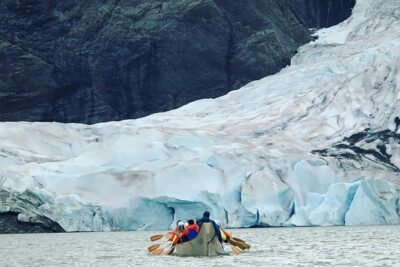
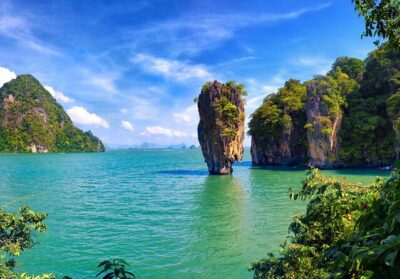
James Bond Island with Canoeing and Lunch by Speedboat
Read our review →
4 Private Cenotes, Zip-Lines, Canoes & Mayan Village with Delicious Lunch
Read our review →Browse the lists this tour appears in