
REVIEW · SPAIN KAYAKING TOURS
Jávea: Cala Tango and San Antonio Nature Reserve Kayak Tour
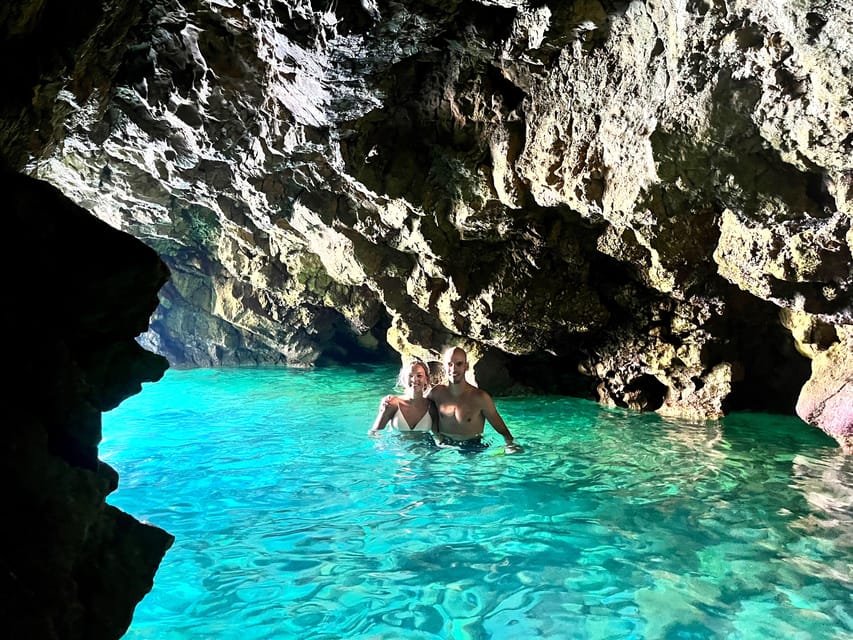
The best part of this Jávea outing is the quick change from calm paddling to cliff jumping, sea caves, and clear-water snorkeling. You set off from the beach, pass Cala del Pope, and soon reach rocky coves that are difficult to reach on foot. I like the mix of quiet coastal scenery and optional thrills, and I like that guides such as Evan, Levi, Tom, and others keep a close eye on safety. The main catch is effort: this is more than a gentle paddle, especially when the sea moves and you need to climb back into a bobbing kayak.
I also like the practical setup. Siesta Advisor supplies kayaks, life jackets, snorkel equipment, water shoes, waterproof bags, dry storage, and professional photos, so you can leave your phone onshore. The tour suits confident swimmers and active families best, but small children, non-swimmers, pregnant women, and anyone over 100 kilograms should choose another outing.
Key points
- Cliff jumping at Cala Tango: Jumping is optional, and you can snorkel while others take the leap.
- Two water stops: Cala Tango and Illot de la Mona each allow time for swimming, snorkeling, and views.
- The Turquoise Cave: The route includes a striking cave in the Cabo de San Antonio marine reserve.
- Useful equipment included: Water shoes, life jackets, snorkel gear, waterproof bags, and dry storage are provided.
- A short but active outing: The 2.5-hour tour covers a compact stretch of coast, with plenty of time spent in the water.
- Strong guiding team: Guides have been praised for attentive safety help and switching between English and Spanish.
Why this short Jávea tour packs in so much
At $59 per person, this is not an all-day boat trip or a long expedition. It is a compact coastal adventure built around several activities in one morning or afternoon: kayaking, snorkeling, cave exploring, and cliff jumping.
That combination gives the tour good value if you want variety. You are not paying simply to paddle along the shore. You get time to stop, swim, look beneath the surface, and scramble onto rocky ledges. The included equipment and photos also mean fewer extra costs and less worry about taking valuables into the sea.
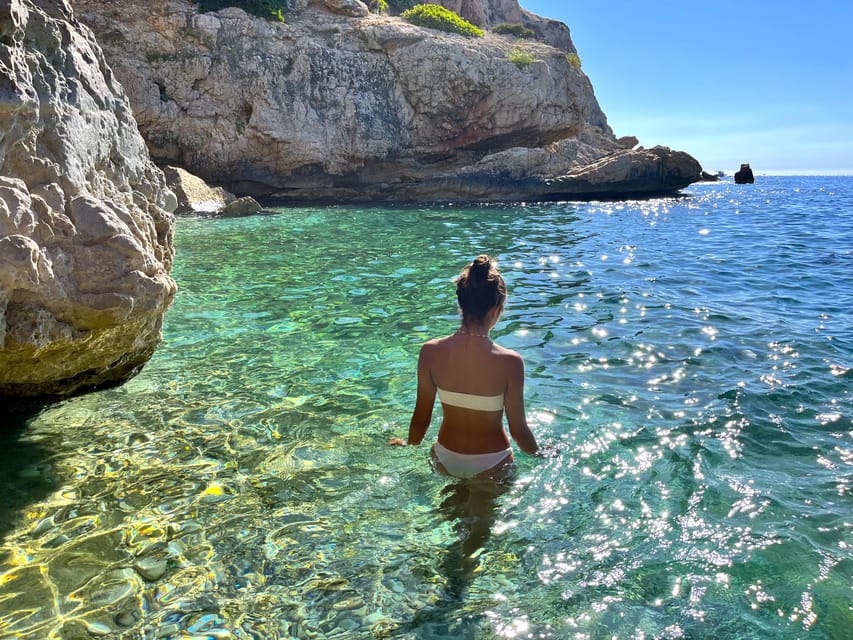
The route is based around the Cabo de San Antonio marine reserve, a protected section of coast known for clear water and sea life. Protection does not guarantee a perfect snorkeling day, of course. Water clarity, waves, crowds, and weather can all affect what you see. Still, this is the right setting for a water-based outing, and the protected coves make the stops more interesting than a straight paddle along an open beach.
The tour has a 4.5 out of 5 rating from 547 ratings, with especially strong praise for the guides, safety care, equipment, and scenery. That matches the practical strengths of the outing. The only consistent caution is physical: getting in and out of a kayak at sea is harder than getting into one at a calm beach.
More Kayaking Trips in Spain:
- Tenerife: Kayak and Snorkel with Turtles, Wetsuits Included
★ 4.6 · 7,215 reviews - Ibiza Beach Hopping Cruise with Paddleboards, Drinks and Food 6h
★ 5.0 · 5,588 reviews - Barcelona Costa Brava Kayak, Snorkel & Cliff Jump Day Tour
★ 5.0 · 3,872 reviews
Starting beside the Siesta Advisor beach bar
The meeting point is at the Siesta Advisor Chiringuito, directly on the beach. Look for the small beach bar, the large Siesta Advisor tent, and staff wearing Siesta Advisor shirts.
This beach-based start is convenient because you do not need to find a marina or walk far with wet gear. Arrive ready for the water in swimwear, with sunscreen and drinking water. The team provides water shoes, life jackets, snorkel equipment, and waterproof bags. Dry storage is available for personal belongings, while the professional photos mean you can leave your own camera safely behind.
The company offers the tour in English and Spanish. Several guides have also been praised for moving between languages smoothly, which helps when the group includes people from different countries. Names that have come up positively include Evan, Levi, Tom, Marco, Julian, David, Thomas, Felix, Manu, and others. Guide assignments can change, but the general pattern is a young, energetic team that gives hands-on help in the water.
Before setting off, pay attention to instructions about paddling and re-entering the kayak. The most useful preparation is not technical kayaking experience. It is knowing how to stay calm while the kayak shifts under you and how to accept help when climbing aboard after a swim.
Paddling past Cala del Pope
The first section passes Platja del Pope, also known as Cala del Pope. It takes about five minutes and serves as a scenic introduction rather than a major stop.
This opening stretch lets you get used to the kayak, paddle, and pace. The bay provides a calmer start when conditions are friendly, and the rock-lined shore quickly shows why this coast is best seen from the water. From a kayak, you can look toward rock walls and small inlets that are hard to appreciate from roads above.
Do not expect a long sightseeing narration here. The real interest begins when the group reaches the rocky coves. Use these first minutes to settle your paddling rhythm, keep your belongings secure, and watch how the guide positions the group.
Sea conditions matter. On calm days, the paddle can feel relaxed and easy. On a choppier day, the same route requires more effort, particularly for anyone sitting in the front of a tandem kayak or trying to keep a straight course. The tour can still be enjoyable in moderate movement, but you should not book it expecting a completely still-water experience.
Cala Tango: the tour’s main burst of adventure
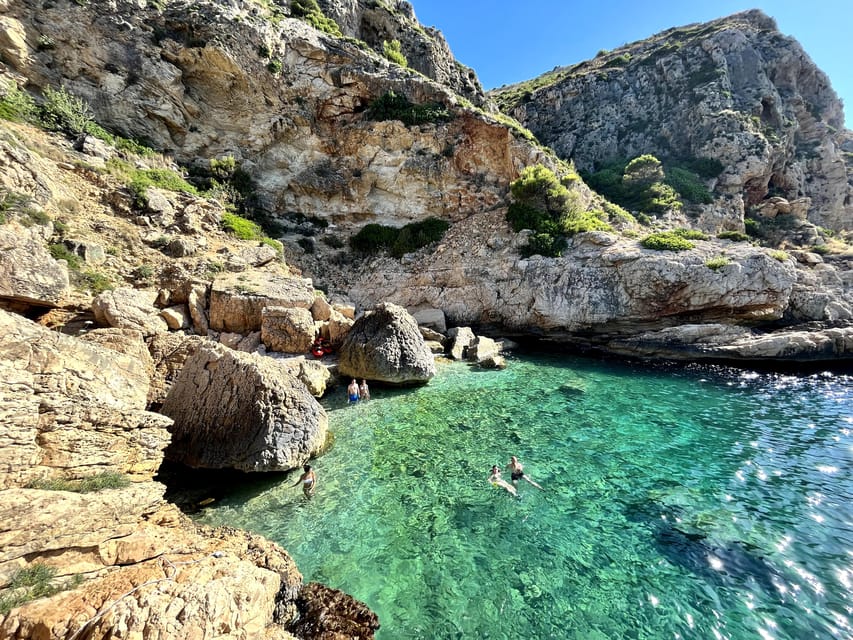
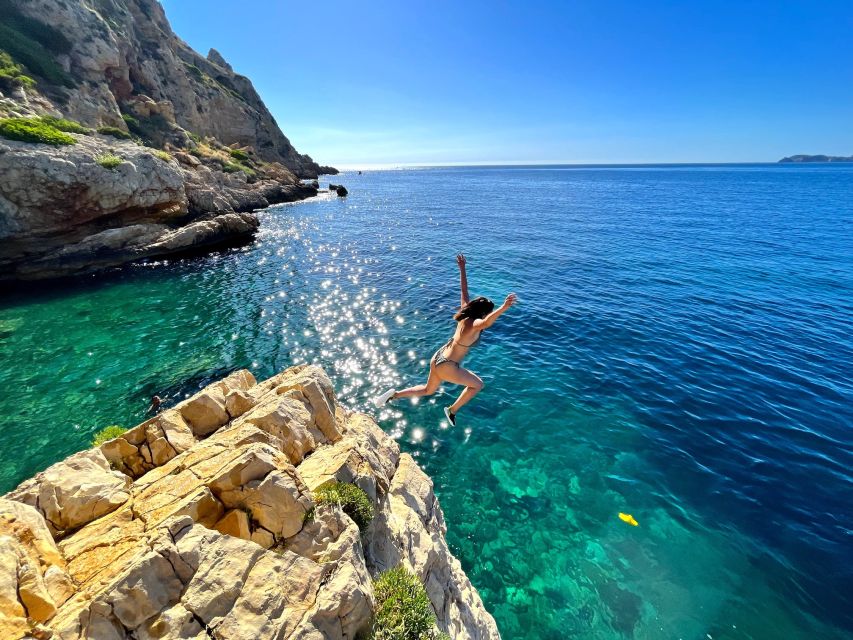
Cala Tango is the first substantial stop, with roughly 30 minutes for a break, photos, snorkeling, marine life viewing, and cliff jumping.
The rock formation here has sloping surfaces that make the jumping area appealing to people with different comfort levels. Guides explain what to do and help participants choose an appropriate point. You do not have to jump. If you prefer to stay at water level, you can snorkel while others leap from the rocks.
That choice is important. The tour is designed to include excitement, but it does not force every person into the same activity. A mixed group can work well here: one person can jump, another can snorkel, and a third can simply enjoy the setting from the kayak.
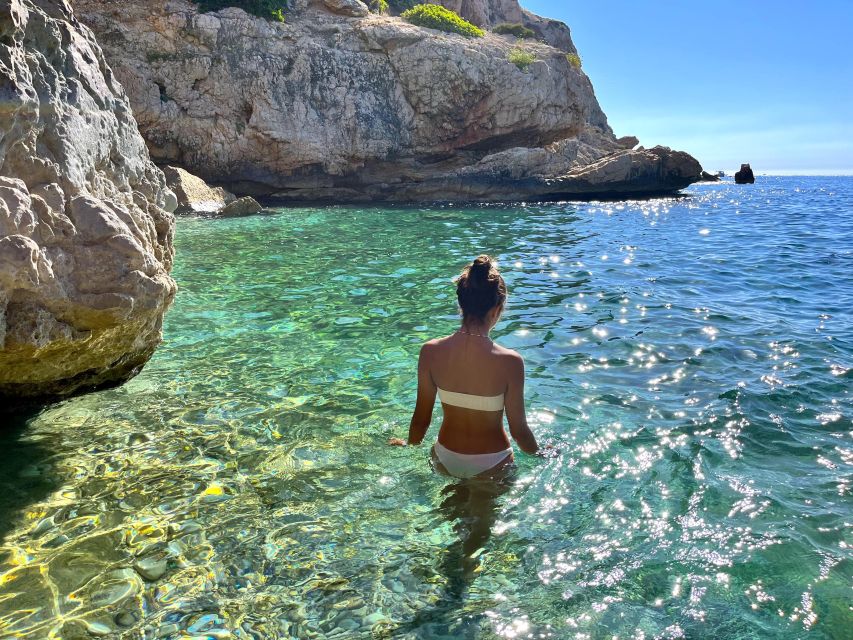
The water in the marine reserve is the reason to bring patience to the snorkeling stop. Rather than racing through a checklist, look around the rock edges and in the shallower sections. The area is described as clear and full of marine life, although visibility can change with weather and sea movement.
Cliff jumping deserves a practical warning. It is thrilling, but it is still a physical activity around rocks and open water. Follow the guide’s instructions, wait for the correct moment, and do not jump simply because others in the group are doing so. The guides have been praised for being protective and attentive, which is especially useful for first-time jumpers.
Same water, a different paddle:
- Ibiza: Beach Hopping Cruise w/ Paddleboard, Food, & Drinks
★ 4.5 · 3,224 reviews - Tenerife: Kayak Safari and Snorkel in a Marine Reserve
★ 4.5 · 3,214 reviews - Nerja: Guided Kayak Tour Nerja Cliffs and Maro Waterfall
★ 4.7 · 2,916 reviews - Barcelona: Costa Brava Kayak, Snorkel & Cliff Jump & Lunch
★ 4.9 · 2,391 reviews
Illot de la Mona and the sea cave
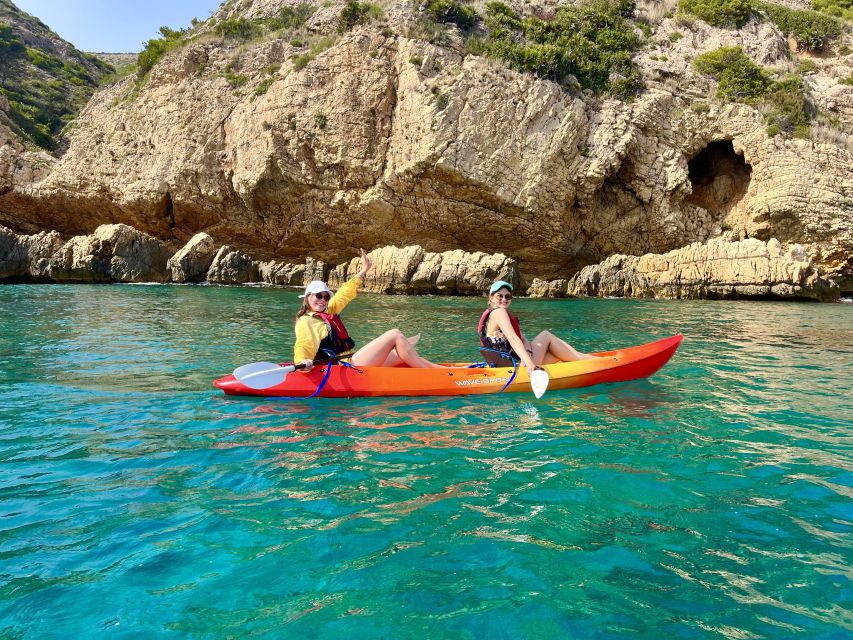
The second major stop is Illot de la Mona, with another 30 minutes for snorkeling, marine life viewing, and scenic views. This is where the outing becomes less about a single thrill and more about exploring a series of small marine spaces.
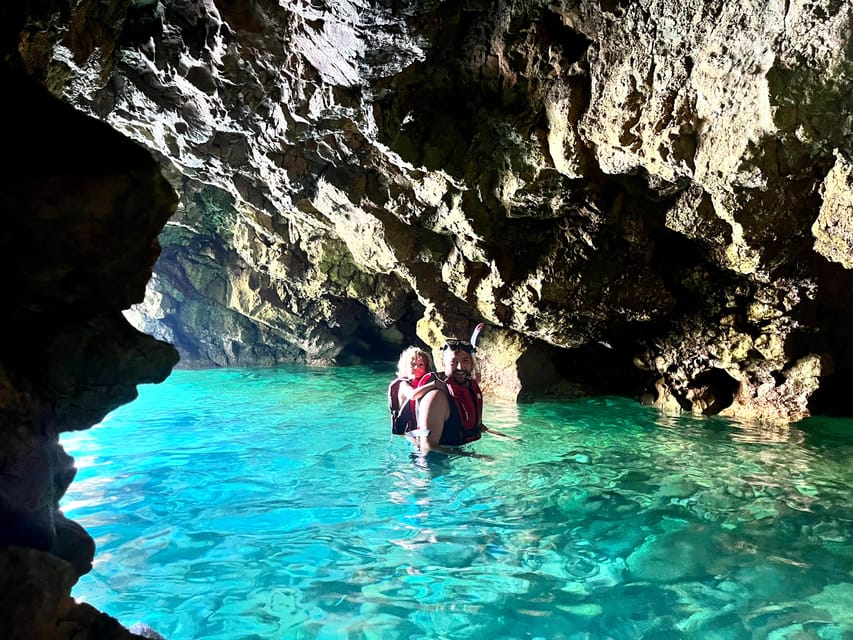
The cave is one of the tour’s strongest features. It offers a change in light, sound, and scale from the open water outside. You may paddle toward the entrance, enter with the group, and snorkel in or near the cave depending on conditions and guide instructions.
The exact experience can vary. When the sea is calm, the cave and snorkeling stop can feel almost sheltered and quiet. When there is surge or swell, the same area becomes more demanding. Sharp rock and moving water are a poor combination for inexperienced swimmers, so listen carefully and keep your movements controlled.
One practical tip comes from the experience of previous participants: bringing your own snorkel tube may be worthwhile if you care about a comfortable fit. The company supplies snorkel equipment, but a personal mouthpiece can make breathing easier for some people. You should still use the supplied gear if that is what the guide directs, and check everything before entering the water.
The stop can also be busy. Several groups may reach the caves and snorkeling spots at the same time, particularly in the high season. That does not erase the natural appeal, but it means you should expect a shared excursion rather than private access to a secluded cove.
Cape San Antonio from below
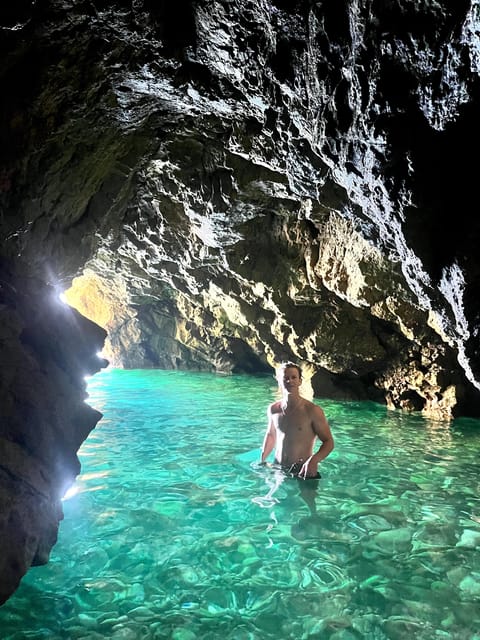
After the two water stops, the route passes Cape San Antonio. The itinerary allows about five minutes for the cape, mainly for photos and views.
The defining feature is the huge rock face rising more than 100 meters vertically above the water. Seen from below, it gives the final paddle a sense of scale. This is not a long stop with a full walk or extended viewpoint visit. Think of it as a memorable coastal pass, with time to look up, take photos, and appreciate the cliffs from a rare angle.
This short section also helps put the earlier coves into context. You have been paddling along a protected marine area with caves, ledges, and small beaches that cannot be reached directly by land. Cape San Antonio shows how quickly those intimate coves give way to a much larger wall of rock.
Your return to the Chiringuito completes the 2.5-hour outing. The exact balance between paddling, stops, and time in the water can shift with group speed and sea conditions. A slower group may spend more time receiving help or moving between points, while calm conditions can make the route feel more relaxed.
How demanding is the kayaking?
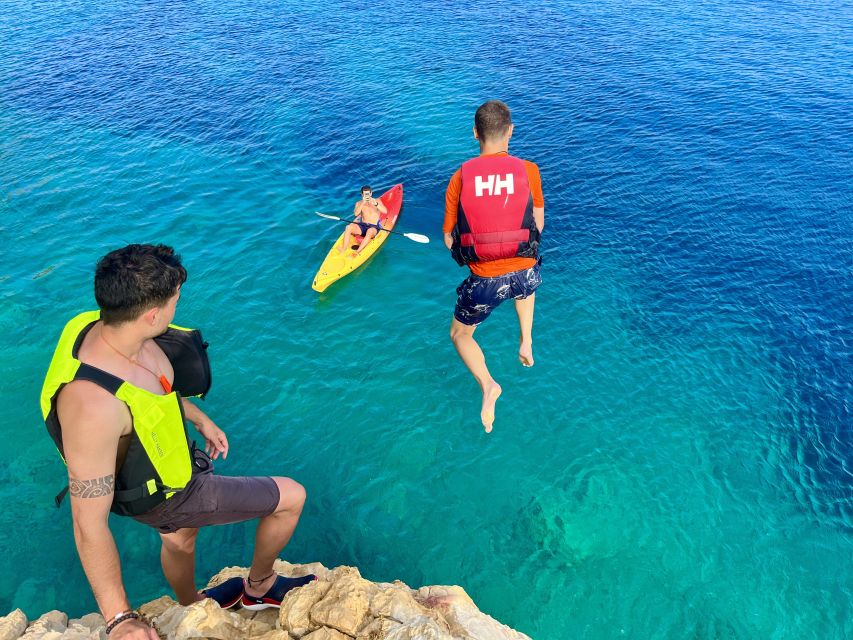
The tour is suitable for active beginners, but I would not call it light exercise. One participant specifically described it as more than light physical activity, and that is useful guidance.
Paddling for roughly two and a half hours, even with stops, can tire your shoulders and arms. The harder part for many people is not the forward motion. It is climbing back into a kayak after snorkeling. A kayak moves beneath you, waves can push it sideways, and the rocks near the coves may be sharp.
Guides help with re-entry, and several people praised that assistance. Still, you should have reasonable balance, basic water confidence, and enough strength to pull yourself partly out of the water. If you are older or have limited mobility, consider this point carefully. One older participant managed the re-entry with help but found it challenging.
Children from four to twelve must be accompanied by an adult. Children under four are not accepted, and the activity is not suitable for non-swimmers or pregnant women. The maximum participant weight is 100 kilograms, or 220 pounds.
Families can enjoy this outing, but it is not a passive sightseeing ride. A nine-year-old took part with family, and a 14-year-old enjoyed the route, yet conditions make a difference. Small children may struggle with the kayak, waves, sharp rocks, and repeated transfers in and out of the water.
Guides, safety, and the group atmosphere
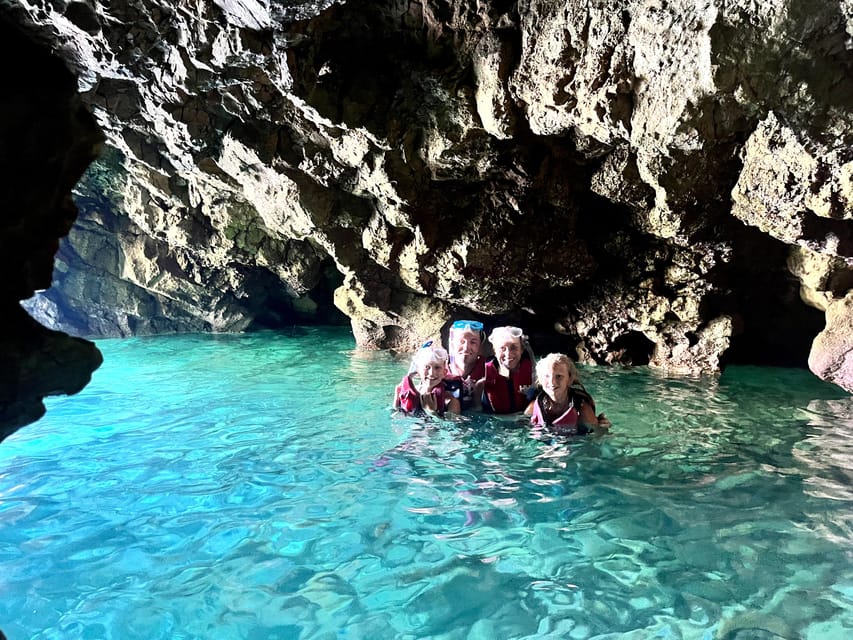
The guides are one of the strongest reasons to choose this operator. The team has been praised for clear instructions, friendly energy, multilingual communication, and staying close to people who need help.
Names such as Evan, Levi, Tom, Thomas, Felix, Manu, and Marco appear in positive accounts of the outing. You should not expect to receive a particular guide unless the company confirms it, but the repeated pattern is useful: Siesta Advisor puts several staff members on the water, and they actively manage the group rather than simply leading from far ahead.
Safety matters most at the cliff jumps and cave. Guides explain where to go, help people back into kayaks, and monitor the group during snorkeling. That does not remove the need for personal judgment. You remain responsible for telling the guide if you are uncomfortable, skipping the jump if needed, and staying within your swimming ability.
The group setting brings energy, but it can also mean waiting. If another person is jumping or needs help getting aboard, the rest of the group may pause. That is normal for a mixed-ability excursion and part of why the guides can offer individual attention.
What to bring and what you can leave behind
Bring swimwear, sunscreen, and water. Take the water seriously. You are in the sun for much of the outing, and one participant noted that a bottle can stay in the kayak.
Water shoes are included, which helps around rocky entries and exits. You may still want to wear a swimsuit that stays secure while climbing and jumping. A lightweight cover-up is useful before and after the activity, but the supplied waterproof bags handle small personal items during the paddle.
The company provides professional photos, including images of the kayaking, snorkeling, cave exploration, and cliff jumping. That is a real convenience. You can enjoy the activity without trying to protect a phone in a wet case, though you should not assume every moment or every participant will be photographed.
Alcohol and drugs are not allowed. The tour is built around water safety, so arrive clear-headed and ready to follow instructions.
Is $59 a fair price?
At $59, the tour offers solid value for an active half-day, particularly because equipment, guides, water shoes, dry storage, waterproof bags, and professional photos are included.
The value is strongest if you plan to snorkel and jump. Booking separate kayak hire, snorkel gear, water shoes, and a photo service would add cost and require more planning. The guides also provide the route and safety support, which is important around caves and rocky coves.
The value is weaker if you want a quiet, private paddle. The route is short, the caves may be shared with other groups, and the experience can feel busy during popular periods. You are buying a guided activity with several stops, not exclusive access to the coast.
Free cancellation up to 24 hours before departure and the option to reserve now and pay later make the booking less rigid. Weather and sea conditions can still affect the outing, as shown by a cancellation caused by flooding and disrupted transport in one case.
Who should book this Cala Tango tour?
I would recommend it to confident swimmers, active couples, groups of friends, and families with older children who want several kinds of action in one compact outing. It is particularly good for people who want to see Jávea’s rocky coast from sea level rather than from a road or lookout.
You should also book it if you like having a choice of intensity. You can paddle, snorkel, watch marine life, explore the cave, and take photos without cliff jumping. Or you can make the rock jump the center of the experience.
I would hesitate if you are a non-swimmer, dislike unstable boats, have difficulty getting up from the water, or want a fully restful excursion. The sea may be calm, but it is not predictable, and getting back into the kayak takes effort.
Should you book it?
Book this tour if you want a lively introduction to Jávea’s marine reserve, with two snorkeling stops, a sea cave, and optional cliff jumping packed into 2.5 hours. The guides and included gear make it easy to try several activities without bringing much equipment.
Skip it if you need a gentle boat ride or private access to quiet coves. For everyone else, especially confident swimmers who enjoy a little physical work, $59 is a fair price for a well-supported outing along one of Jávea’s most striking stretches of coast.
FAQ
How long is the Cala Tango and San Antonio kayak tour?
The advertised duration is 2.5 hours, including kayaking, snorkeling, cave exploration, cliff jumping, and the return to the beach.
Where does the tour start?
The tour starts at the Siesta Advisor Chiringuito, directly on the beach. Look for the small beach bar, the large Siesta Advisor tent, and staff wearing Siesta Advisor shirts.
Is cliff jumping required?
No. Cliff jumping at Cala Tango is optional. You can snorkel and watch the other participants instead.
What equipment is included?
The tour includes kayaking equipment, life jackets, snorkeling equipment, water shoes, waterproof bags, and dry storage for personal belongings. Professional photos are also included.
What languages do the guides speak?
The tour is offered in English and Spanish.
Can children join the tour?
Children under four cannot join. Each child from four to twelve must be accompanied by an adult.
Who should not take this activity?
The tour is not suitable for pregnant women, non-swimmers, children under four, or anyone weighing more than 100 kilograms, or 220 pounds.
Newest paddling trips we have reviewed in Spain
- Paddle Surf in Cantabria★ 4.5 · 21 reviews
- Kayak Route + Snorkel in Cantabria★ 4.5 · 9 reviews
- Moonlight Kayak with Dinner Included★ 4.5 · 6 reviews
- Route in Kayak Moraira★ 5.0 · 28 reviews
- Paddle Board Paradise: Magical Snorkel & Cave Exploring SUP Tour★ 5.0 · 10 reviews
- Kayak routes through the Coves of Villajoyosa★ 4.5 · 42 reviews
- Small Group Paddle Surf Experience in Benidorm★ 4.0 · 7 reviews
- Kayak route through Cala Granadella★ 5.0 · 27 reviews
Spain Kayaking Tours, compared.
Kayak and Snorkel with Turtles, Wetsuits Included
Read our review →
Ibiza Beach Hopping Cruise with Paddleboards, Drinks and Food 6h
Read our review →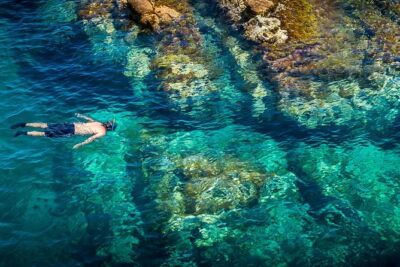
Barcelona Costa Brava Kayak, Snorkel & Cliff Jump Day Tour
Read our review →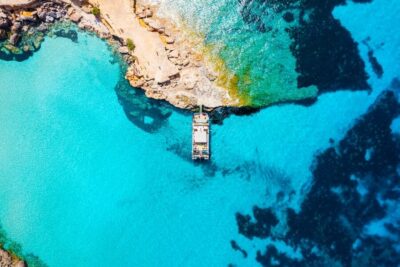
Beach Hopping Cruise w/ Paddleboard, Food, & Drinks
Read our review →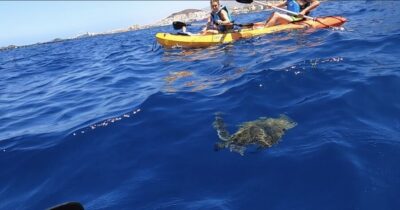
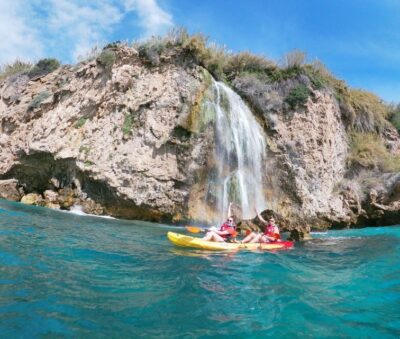
Guided Kayak Tour Nerja Cliffs and Maro Waterfall
Read our review →
Costa Brava Kayak, Snorkel & Cliff Jump & Lunch
Read our review →
Browse the lists this tour appears in