REVIEW · ISHIGAKI KAYAKING TOURS
Ishigaki: Canoe or SUP at Kabira Bay&Snorkeling at Blue Cave
Kabira Bay’s clear water and white sand give this six-hour outing its main appeal, but the day is more than a scenic paddle. You also get time at Ishigaki’s Blue Cave, where guides such as Tomo and Yujiro help first-time snorkelers handle the mask, fins, and open water.
I like the mix of calm canoeing and active snorkeling, and I like that the guides take photos for you instead of leaving you to protect a phone in the sea. The main thing to consider is that the kayaking can feel brief, English support may vary, and rough seas can replace the Blue Cave with another site.
Key points to know before booking
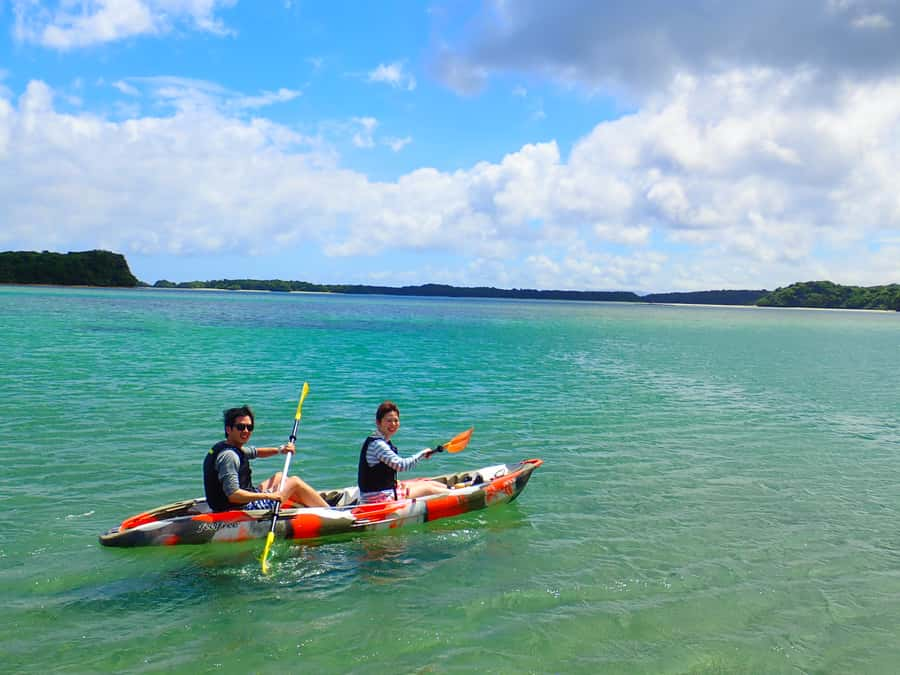
- Kabira Bay is the gentle part of the day: Choose a canoe for extra stability, or swap to a stand-up paddleboard at no extra cost.
- The Blue Cave depends on sea conditions: Waves can force the guide to use another snorkeling location.
- Guide quality matters here: Makoto, Aoi, Kote, Tomo, Yujiro, Kou, Hiroki, and Sebastian have been praised for calm instruction and friendly help.
- Lunch costs extra: Bring around ¥1,500 in cash, since many nearby shops do not take credit cards.
- Photos are included: Guides take land and underwater pictures and share the data afterward.
- Pickup is limited: Free hotel transport covers the southern part of Ishigaki, from ANA InterContinental to Fusaki Resort.
Two very different sides of Ishigaki in six hours
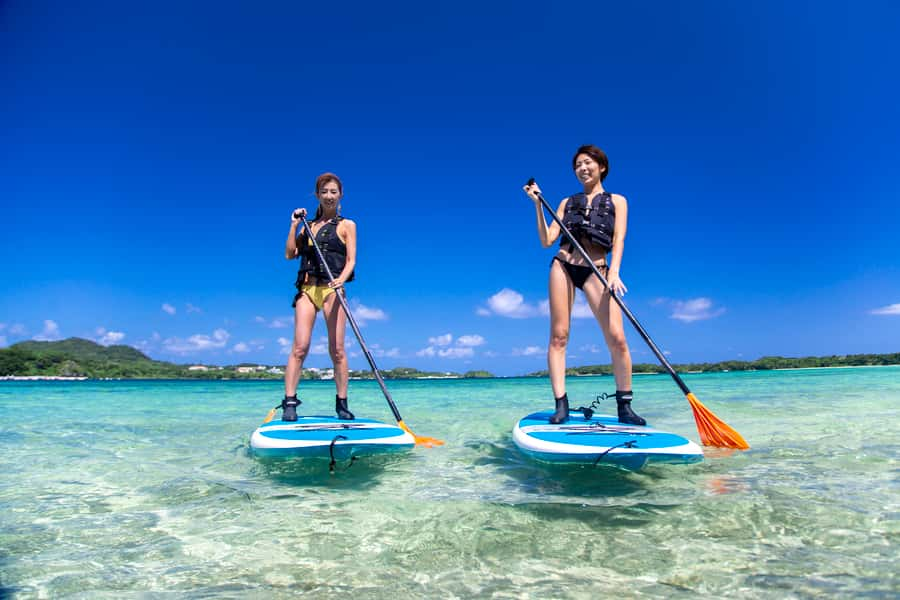
This tour works because it pairs two kinds of water time. At Kabira Bay, you paddle across calm, shallow-looking water and take in the curved coast. At the Blue Cave, the focus shifts to masks, fins, fish, coral, and the shape of the cave itself.
That contrast gives the outing a useful rhythm. You are not spending six hours doing one repetitive activity. The canoe or SUP section is usually the easier introduction, while snorkeling asks more of you physically and mentally.
The tour costs $93 per person. I consider that a fair midrange price if you value equipment, instruction, transport in the eligible hotel zone, insurance, showers, and photo data. Lunch and drinks are not included, so the real out-of-pocket cost is a little higher.
The price makes less sense if you want a long, serious paddle session or a private guide. One low-rated experience found the SUP portion too short and the safety instruction too basic. That criticism is worth taking seriously, especially if you already spend a lot of time on boards. For a first-time paddler and a beginner snorkeler, those same safety steps may be exactly what makes the day comfortable.
More Canoe Trips in Japan
- Okinawa Iriomote Mangrove SUP or Canoe Tour
★ 5.0 · 214 reviews - Okinawa Ishigaki Mangrove SUP or Canoe Tour
★ 5.0 · 147 reviews - Okinawa Iriomote SUP or Canoe and Sightseeing in Yubujima Island
★ 5.0 · 124 reviews
Kabira Bay by canoe or stand-up paddleboard
Kabira Bay is the visual opener, with pale sand and remarkably clear water. It has received three stars from the Michelin Green Guide, and its fame is easy to understand once you see the coast from the water rather than from a roadside viewpoint.
You can choose a kayak or canoe, depending on the booking option and daily conditions. A canoe is the safer pick for children and anyone who wants a steady platform. Children from ages five to eleven may be placed in a more stable canoe instead of a SUP, based on conditions and the number of people on the day.
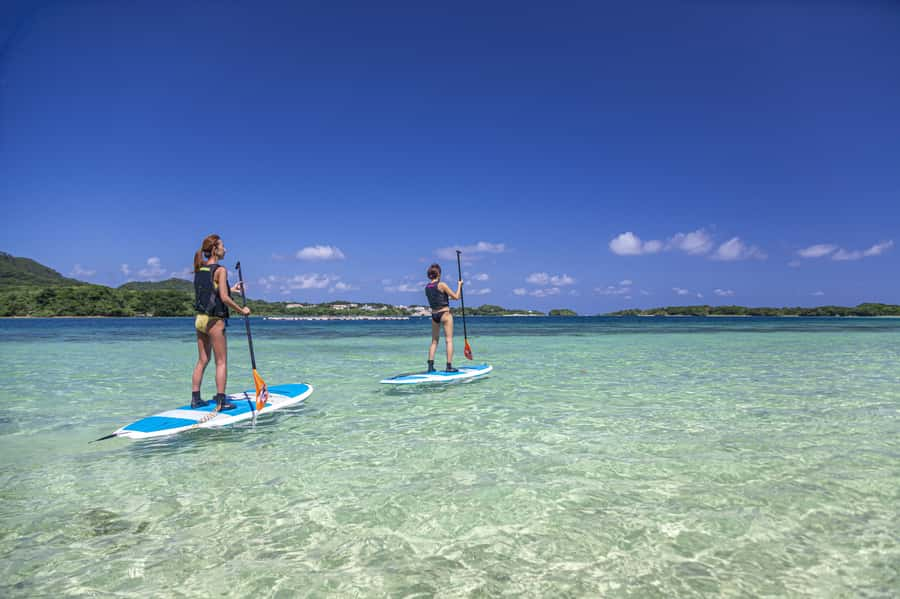
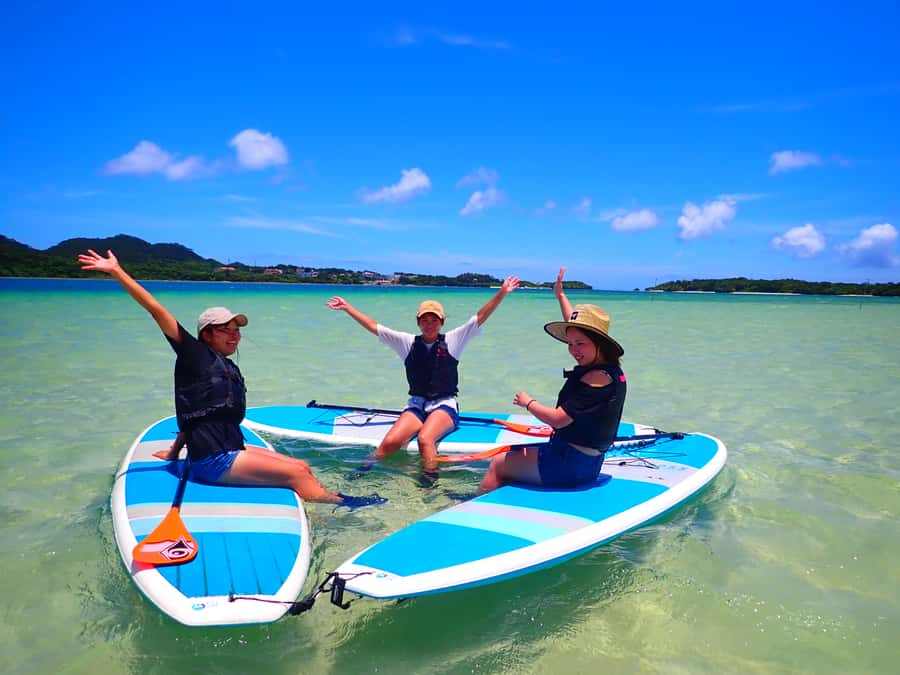
You can also exchange the kayak for a stand-up paddleboard without an added charge if you select that option while booking. SUP is more playful and gives you a higher view across the bay, but it demands balance. If you have never tried it, expect a short lesson and the possibility of kneeling before you stand.
The paddle section is listed at about 1.5 hours, though the exact timing can shift. Some outings have felt relaxed and enjoyable, while one unhappy participant considered the board time too short to be worthwhile. I would book this with the right expectation: it is a taste of Kabira Bay, not a full-day paddle expedition.
Guides have made a real difference here. Makoto has been praised for clear teaching, island advice, and food suggestions. Kote was described as cheerful and attentive while taking plenty of photos, and Aoi helped make a SUP outing feel easy and fun.
The guides also set the pace. You will be expected to follow instructions and wear a life jacket. That rule applies even if you are a strong swimmer. It may feel overcautious, but the area is managed as a guided water activity, not a free paddle rental.
The Blue Cave and Ishigaki’s underwater life
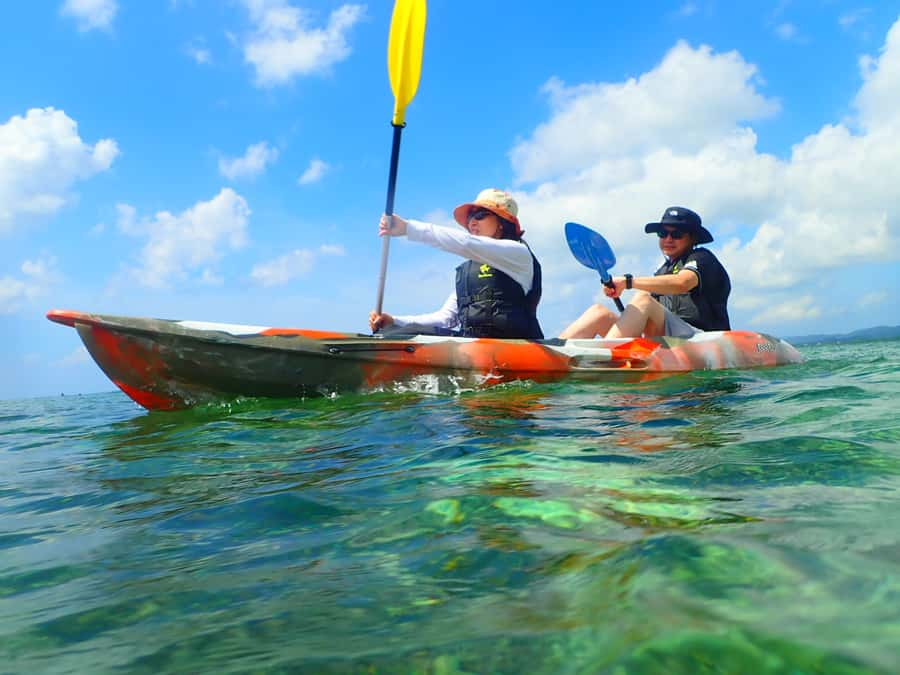
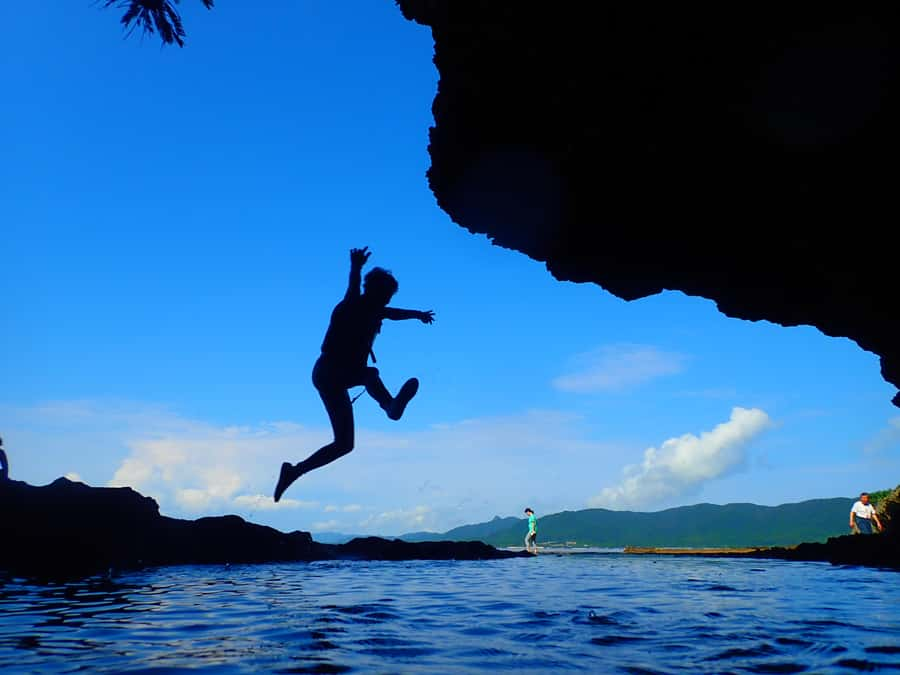
The snorkeling portion lasts about 1.5 hours and brings a different kind of interest. You move through the Blue Cave and nearby water with a mask, fins, and life jacket, looking for fish and coral along the way.
The cave is the visual prize, but the sea life may be the bigger reward. Tomo has taken participants through the best areas around the cave and helped them spot fish and coral at close range. Tom also photographed people underwater, including shots from several meters below the group.
If this is your first time snorkeling, the guides can make a big difference. Yujiro has helped beginners learn breathing and basic technique, while Kou and Tom have been praised for keeping the activity safe and enjoyable. You may receive a careful demonstration before entering the water, including instructions that experienced swimmers might find elementary.
That level of instruction will not suit everyone. One participant felt treated like a complete beginner and found the training excessive. I would see it this way: if you have many years of snorkeling experience, tell the guide early and be patient with the group. If you are nervous about breathing through a mask or entering open water, the careful start is useful.
The Blue Cave is not guaranteed. Strong waves can make it unsafe, and one outing had to replace it with Osaki Beach. The tour may run in light rain, but the operator can cancel if conditions are dangerous. This is not a flaw in the experience. It is the honest tradeoff of booking a sea tour in a changing coastal environment.
The break between water activities
The schedule includes a break of about 1.5 hours at Euglena Ishigaki Port Remote Island Terminal. Depending on the day, the order can vary, with Kabira Bay and the Blue Cave arranged around transport, conditions, and guide availability.
Lunch is not part of the $93 price. You should bring about ¥1,500 per person and expect to buy food at a local restaurant. Cash matters here, since many local shops do not accept credit cards. Bring your own bottle of water too, because drinks are not supplied.
This pause is practical rather than fancy. It gives you time to eat, change your focus, and prepare for the second activity. I would not arrive expecting a supplied picnic or a long restaurant meal. Pack a towel and wear swimwear or clothing that can get wet.
The tour begins and ends at the Euglena Ishigaki Port Remote Island Terminal unless you qualify for the southern-area hotel shuttle. Pickup is available from hotels between ANA InterContinental on the west side and Fusaki Resort on the east side. If you stay elsewhere, confirm the meeting point carefully.
More Kayak and Snorkel Tours in Japan
- Iriomote Island 1-Day Snorkeling & Mangrove SUP or Canoe
★ 5.0 · 119 reviews - Okinawa Ishigaki Kabira Bay SUP or Canoe and Blue Cave Snorkeling
★ 5.0 · 94 reviews - Okinawa Miyakojima 1 day Sea Turtle Snorkeling & Pumpkin Cave & Sea Kayak
★ 5.0 · 92 reviews - [Ishigaki]Mangrove SUP/Canoe + Blue Cave Snorkeling
★ 5.0 · 92 reviews
Guides, language, and the personal feel
The company uses Japanese and English, but the amount of English can depend on the guide assigned that day. Several outings have had smooth English communication, with Makoto, Yujiro, and others explaining the activities well. One participant found that very little was translated, with much of the outing left unexplained.
That inconsistency is the clearest service concern. If detailed English instruction is important to you, contact ISHIGAKI ADVENTURE PiPi before booking and again if the language arrangement is not clear. The operator may run a Japanese-only tour on some days.
The guide names attached to especially strong outings include Makoto, Aoi, Kote, Sebastian, Tomo, Yujiro, Kou, Hiroki, and Tom. Their roles can be split between activities, so you may have one person for Kabira Bay and another for snorkeling.
This two-guide setup can work well. One person focuses on paddling, while the other concentrates on water safety and sea life. It also means the quality and communication style can change halfway through the day.
Photos, safety, and comfort on the coast
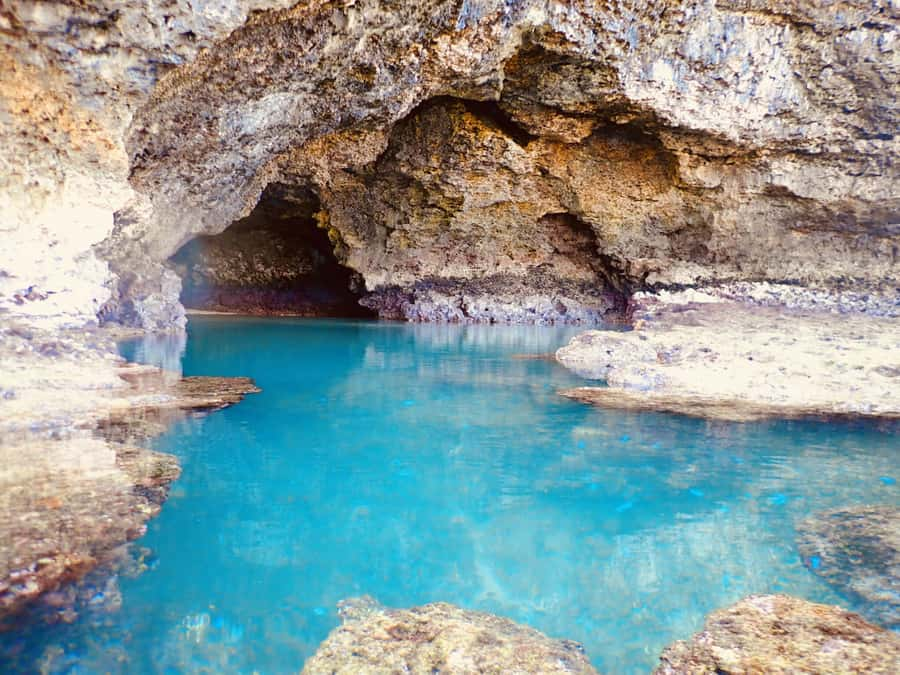
Photo data is included, and this is one of the better practical touches. Your hands are busy with a paddle or mask, so having a guide take pictures lets you remember the scenery without risking your own phone.
The guides also pay attention to lost equipment. During one outing, a guide recovered a fin and later retrieved a cellphone from the water. That does not mean you should bring valuables, but it shows why it is useful to listen closely when the guide explains what to secure.
Life jackets, fins, and masks are required. Refusing the equipment can mean being excluded from the activity. You should arrive ready to follow those rules, even if you are confident in the water.
Wear clothes you do not mind getting wet and use the restroom before starting. There is no restroom at the activity site. A shower area is included, and hot showers are available near the port, so ask the guide where to go after the tour.
The tour is open to ages five through fifty-nine. Pregnant people, children under five, and people with certain medical conditions cannot participate. If you are unsure about your health, fear of the ocean, or ability to take part, contact the operator before booking.
Parking costs ¥300 if you meet on-site. Arrival times and return times can change, so avoid placing an important ferry connection or tightly timed evening plan immediately after the tour.
Sustainability and the feel of the outing
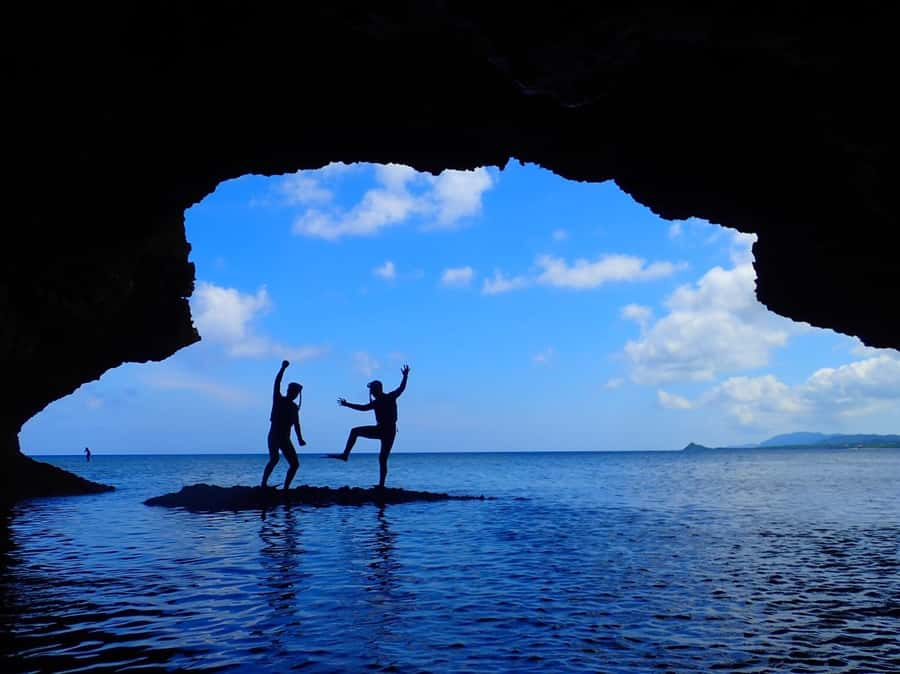
The experience is presented as an eco-friendly activity, which fits the low-impact nature of paddling and guided snorkeling. You travel by canoe or SUP rather than using a motorized craft for the main water activities, and the group is expected to follow safety and guide instructions around the coast.
Still, I would keep the sustainability claim in perspective. The provided information does not spell out a detailed conservation program, reef-restoration project, or wildlife policy. The practical way to support the setting is simple: do not touch coral or sea life, keep your belongings secure, and follow the guide’s directions.
The day feels more local when you buy lunch at a nearby restaurant rather than eating from a supplied tour box. Guides may also share food suggestions, as Makoto did during one outing. That small exchange can be as useful as the activity itself if you have more days on Ishigaki.
Who will get the most from this tour
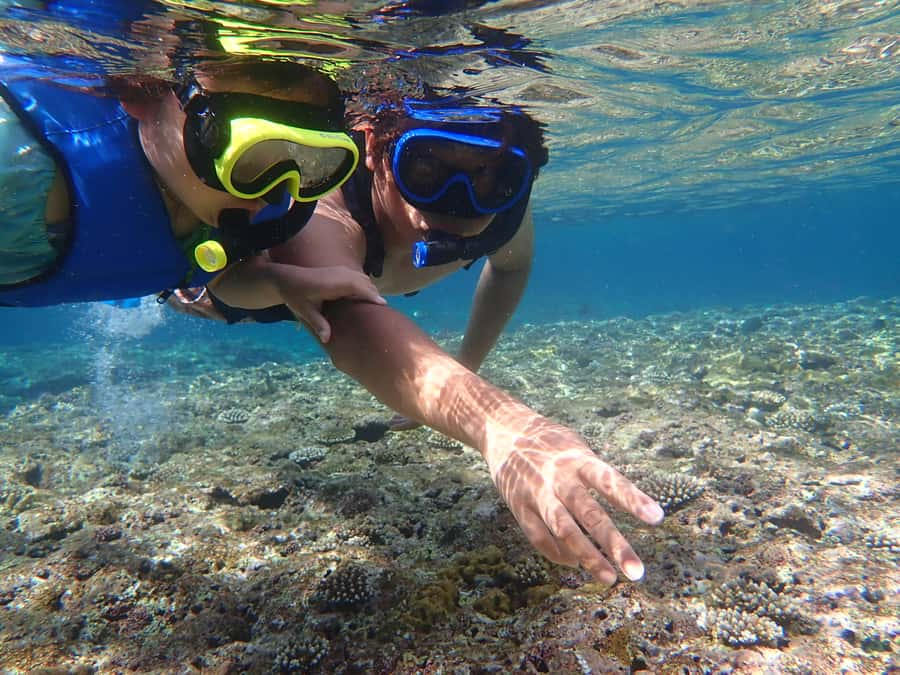
I would recommend it to first-time snorkelers, couples, families with older children, and visitors who want two scenic water activities without arranging transport and equipment separately. The canoe option makes it approachable, while the guide-led snorkeling removes much of the guesswork.
It also suits you if photos matter. The included images can be a real value, especially for underwater moments that are hard to capture on your own.
I would hesitate if you want a long SUP workout, a private experience, or guaranteed English commentary. Strong swimmers may also find the required life jacket and basic instruction restrictive. Finally, anyone with a fixed plan for the Blue Cave should remember that sea conditions can change the route.
Booking is flexible, with free cancellation up to 24 hours ahead and a reserve-now, pay-later option. If you book after 5:00 PM on the previous day, you may be asked to go directly to the Ishigaki Port Remote Island Terminal.
Should you book the Kabira Bay and Blue Cave tour?
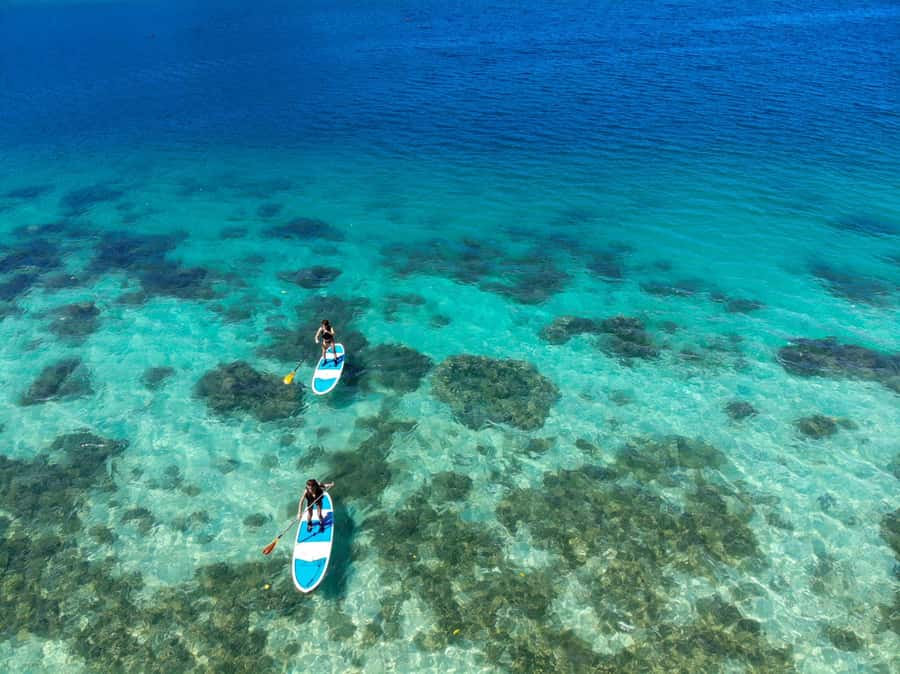
Book it if you want a well-organized introduction to Ishigaki’s coast, with calm paddling, guided snorkeling, equipment, showers, photos, and a chance to meet several friendly local guides. The strongest value comes from combining two activities in one day rather than paying for separate rentals and transfers.
Do not book it expecting hours on a SUP or a guaranteed visit to the Blue Cave. Choose a canoe if stability matters, carry cash for lunch, bring water, and confirm the meeting point and language before departure. With those expectations, the $93 price is reasonable for a full, active day on Ishigaki.
FAQ
How long does the tour last?
The activity lasts about six hours, though meeting and return times can vary.
Where does the tour meet?
The main meeting point is the Euglena Ishigaki Port Remote Island Terminal. Free hotel pickup and drop-off are available for hotels in southern Ishigaki, from ANA InterContinental to Fusaki Resort.
Is lunch included?
No. Lunch is not included. Bring around ¥1,500 per person, preferably in cash, because many local shops do not accept credit cards.
Can I choose a SUP instead of a kayak?
Yes. A kayak can be exchanged for a stand-up paddleboard at no extra cost. Select the relevant option when booking.
Is the Blue Cave visit guaranteed?
No. The Blue Cave can be replaced by another snorkeling location if waves or other conditions make the visit unsafe.
What ages can participate?
The tour accepts people from ages five through fifty-nine. Pregnant people, children under five, and people with certain medical conditions cannot participate.
What should I bring?
Bring a towel, beachwear or clothing that can get wet, and a bottle of water. You should also provide your shoe size at checkout.
More Stand-Up Paddleboarding in Japan
- Okinawa Ishigaki Kabira Bay SUP or Canoe Tour
★ 5.0 · 118 reviews - Ishigaki Island: 2-Hour Miyara River SUP or Canoeing Tour
★ 4.6 · 81 reviews - Okinawa Miyako Beach SUP or Canoe and sea turtle Snorkeling
★ 5.0 · 58 reviews - Ishigaki: Mangrove SUP or Canoe & Phantom Island Snorkeling
★ 4.5 · 52 reviews
More Sea Cave Kayak Tours in Japan
- [Miyako Island / Half Day] Pumpkin Limestone Cave & Sea Kayaking
★ 5.0 · 82 reviews - Okinawa Miyako 3set Beach SUP, Snorkeling,Pumpkin Cave,Canoeing
★ 5.0 · 52 reviews - Ishigaki Island: SUP or Canoeing and Snorkeling at Blue Cave
★ 4.7 · 36 reviews
Newest paddling trips we have reviewed in Japan
- Sea Kayaking Tour – Otaru Coastal Adventure★ 5.0 · 7 reviews
- Okinawa: Kayak Mangroves & Ocean Native-English Private Tour★ 4.8 · 11 reviews
- Miyako Island: SUP or Canoeing and Snorkeling Experience★ 4.9 · 11 reviews
- Miyako island: SUP or Canoe at Stunning Blue Beach★ 4.6 · 9 reviews
- Miyako island: 3 sets! Snorkeling/Limestone Caving/Beach SUP★ 4.5 · 7 reviews
- Miyajima World Heritage Torii Kayak Tour★ 5.0 · 9 reviews
- Miyakojima: SUP and Snorkeling- Two Activities in One Day★ 5.0 · 6 reviews
- Ishigaki:Mangrove&Sea SUP/Kayak Tour with SLR&Drone footage★ 5.0 · 24 reviews
Sea Cave and Grotto Kayaking, compared.
Half-Day Emerald Cave Kayak Tour with Optional Hotel Pickup
Read our review →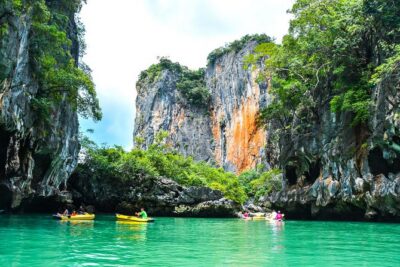
Phang Nga Bay Sea Cave Canoeing & James Bond Island by Big Boat
Read our review →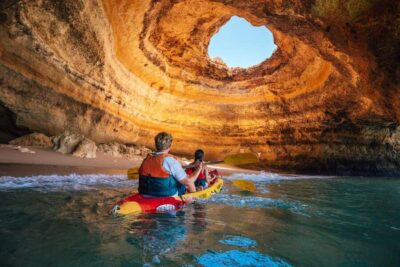
Kayaking Tour to the Benagil Cave (Free Shower)
Read our review →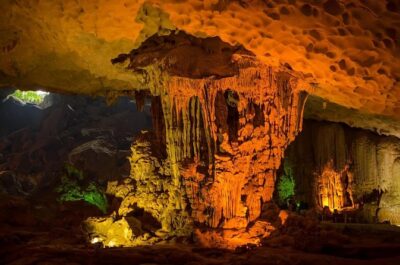
Cozy Bay Halong 5-Star Day Cruise, Buffet, Cave, Kayak, Swimming
Read our review →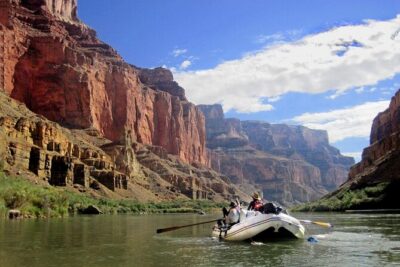
Emerald Cave Kayak Tour: Scenic Paddle with Optional Shuttle
Read our review →
Caves, Beaches, and Secret Spots Guided Kayak Tour
Read our review →
Halong Bay Day Tour With Titop Island, Cave, Kayak & Lunch
Read our review →