
REVIEW · MEXICO KAYAKING TOURS
Holbox: Sunrise & Mangrove Kayak Tour
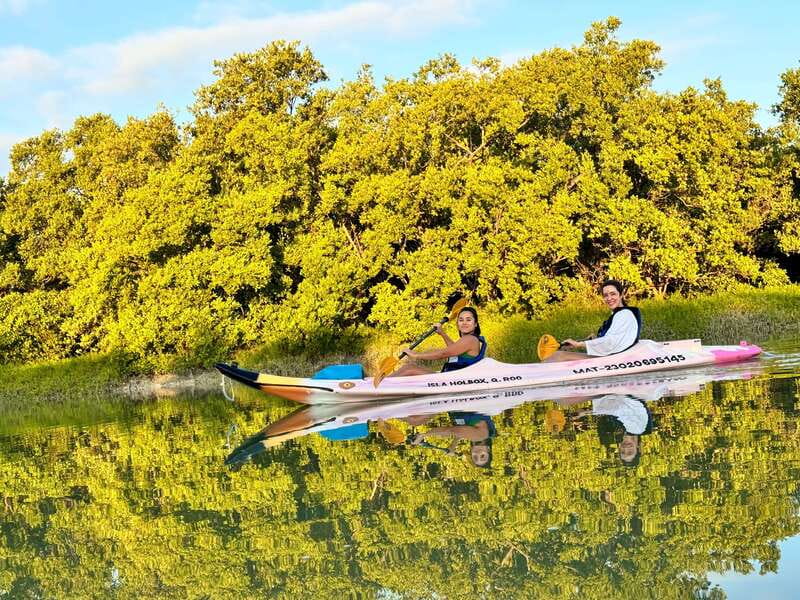
The best part of this Holbox tour comes when the motorized world drops away. You paddle from Punta Mosquito into the Kuká River as the island wakes up, then move quietly through mangroves where flamingos, herons, ospreys, and crocodiles live in the wild. The sunrise is behind the island rather than directly in front of you, but the early light over the sandbanks is still a fine reason to set the alarm.
I like the small-group feel and the guides’ care around wildlife. Victor Hugo, Victor, Isa, and Tomas are repeatedly singled out for clear explanations, calm instruction, and respect for the reserve. I also like that the tour uses kayaks, not a noisy motorboat, so you can get close enough to watch birds without filling the morning with engine noise.
The main caution is physical: the paddle can be hard, especially on the open-water stretch before the river. Wind, waves, tide, and current change the effort from day to day, so this is not the best pick if you want a completely effortless sunrise outing.
Key points at a glance
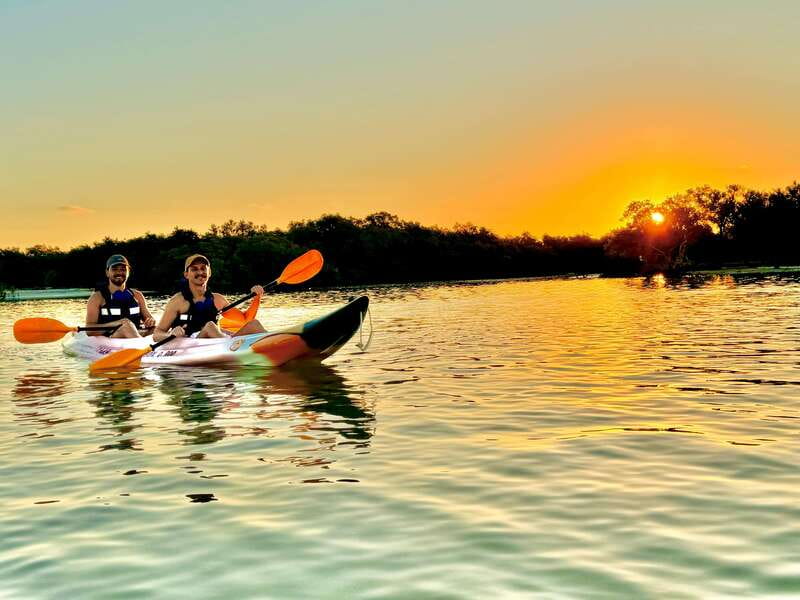
- Sunrise from Punta Mosquito: Start on the island’s beach and paddle through the early light before entering the protected area.
- Quiet wildlife watching: Kayaks let you approach birds with less noise than a motorized boat.
- Kuká River mangroves: See three types of mangrove and learn how they support birds, fish, and crocodiles.
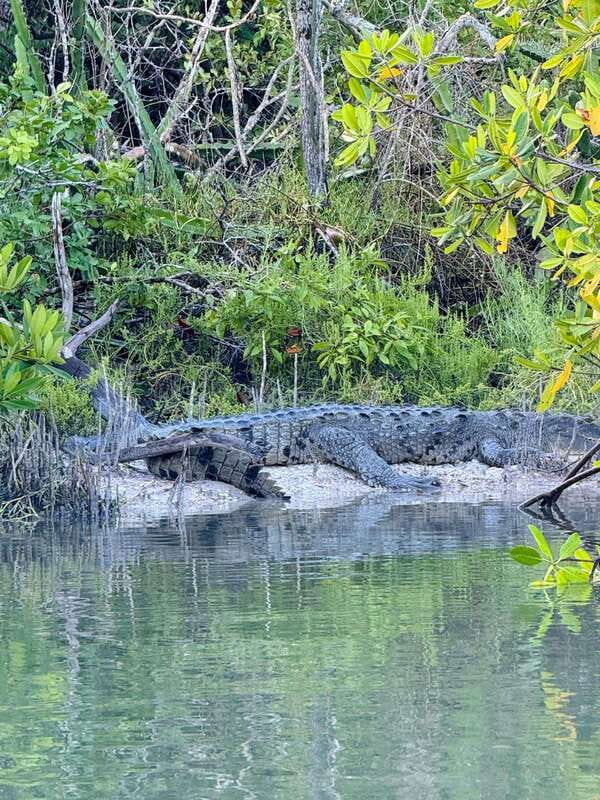
- Wild crocodiles, not a zoo display: Sightings can include babies and adults, but the animals remain in their natural habitat.
- About 3 to 3.5 hours door to door: The tour includes hotel pickup, golf-cart transport, paddling, a snack, and downtown drop-off.
- A real paddle: The river, wind, waves, or high tide can make parts of the route tiring.
Why this sunrise paddle is different on Holbox
Holbox is best known for its sandy streets, shallow water, and wildlife outings, but this trip shows you a quieter side of the island. You leave before the day becomes hot and make for Punta Mosquito by golf cart. From there, the route begins along sandbanks and the beach before reaching the mouth of the Kuká River.
That first section matters. It gives you open views and a chance to get comfortable in the kayak, but it can also be the hardest part. The ocean-side water may have wind, small waves, or an awkward current. If you have paddled before, you will likely appreciate the chance to work your way into the morning. If your arms are out of practice, do not underestimate this section.
Once you reach the river, the mood changes. The water is quieter, the mangrove branches close in, and the guide asks the group to keep noise down when wildlife is nearby. That silence is not a gimmick. It gives you a better chance of seeing birds feeding, resting, or moving through the trees.
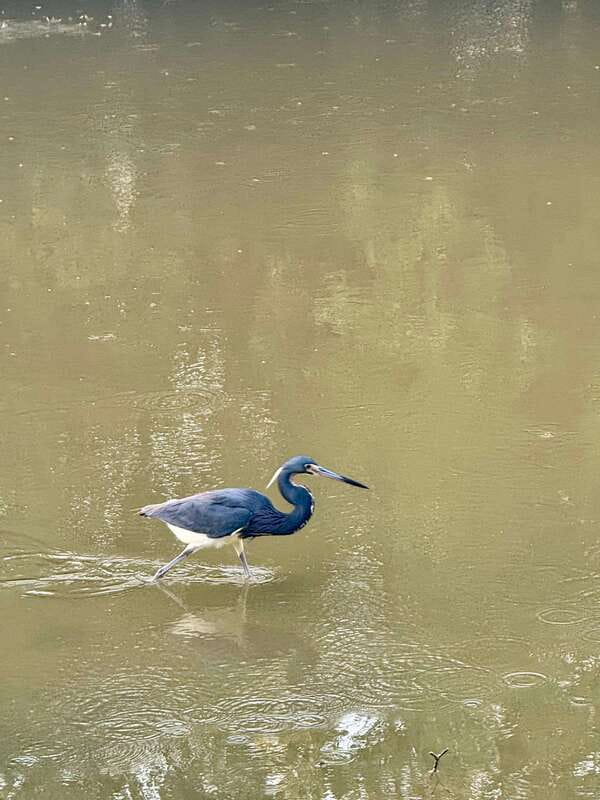
The tour does not promise a fixed animal list, and that is a good thing. You are looking into a living reserve, not following a staged wildlife show. One morning may bring baby crocodiles and flamingos. Another may offer herons, ibises, egrets, cormorants, frigatebirds, or an osprey, with no crocodile sighting at all.
More Mangrove Kayak Tours in Mexico
- Cancun: Sunset Kayak Experience in the Mangroves
★ 4.8 · 227 reviews - Kayak Mangroves Sunrise Experience
★ 5.0 · 207 reviews - Holbox: Guided Sunrise/Sunset Kayak Tour by Mangrove Reserve
★ 4.5 · 127 reviews
From hotel pickup to Punta Mosquito
Pickup is included from your Holbox hotel. A guide or taxi arrives with your booking information, so you should wait at reception or at a place where the vehicle can stop. The transfer to Punta Mosquito takes about 15 minutes by golf cart.
This is a useful detail for an early start. You do not need to arrange your own ride in the dark, and the golf cart makes the trip part of the island experience rather than a standard van transfer. After the kayaking, the ride back takes about 10 minutes, with drop-off in downtown Holbox and at Eco Adventure Holbox Tours.
The exact departure time changes with the season and sunrise, so check availability when booking. Bring a towel and clothes that can get wet. You should also carry insect repellent, sunglasses, a hat, water shoes, and a reusable bottle. The operator asks you to bring your own container because plastic water bottles are not used.
Sunrise, sandbanks, and the first two kilometers
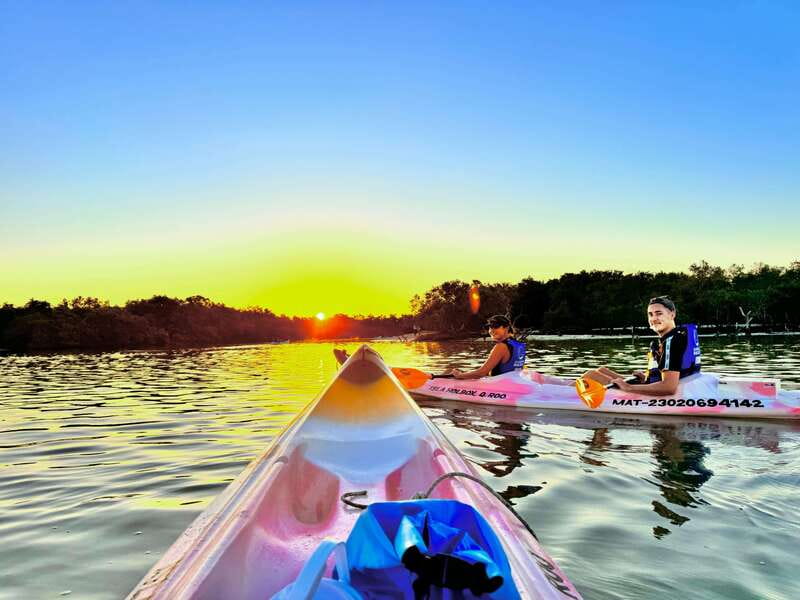
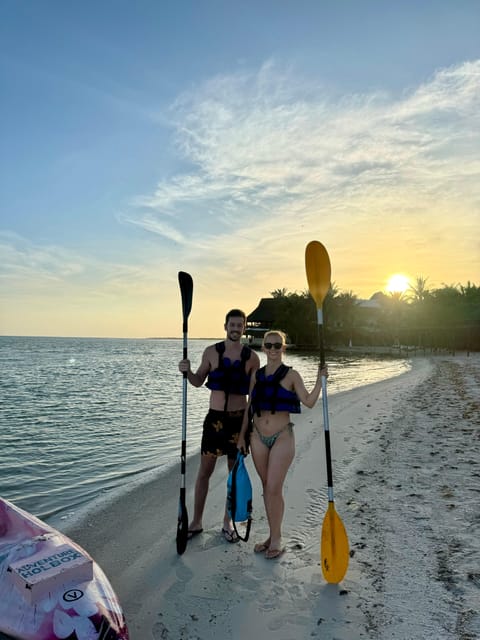
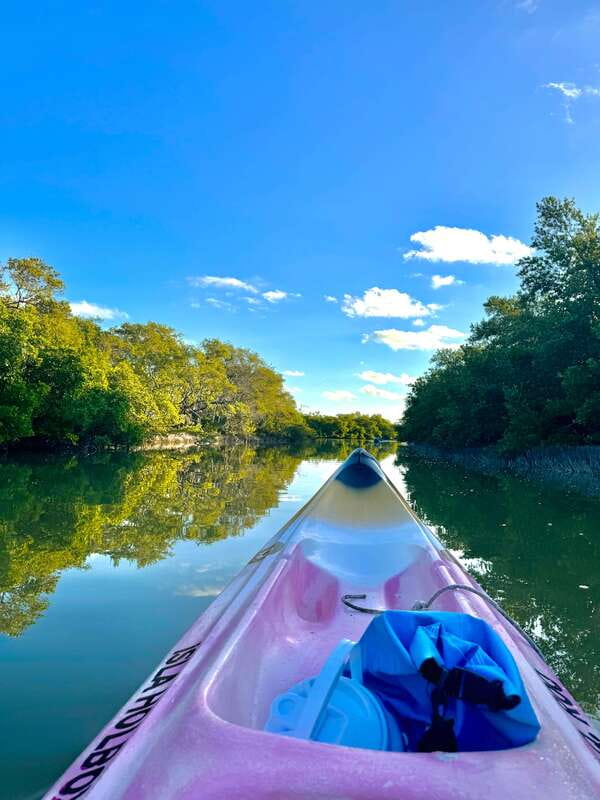
The kayaks have a flamingo design, a cheerful touch that fits the setting without turning the trip into a theme-park ride. At the beach, the guide gives paddling advice and gets the group moving toward the sandbanks and the river entrance.
The sun rises behind the island, not straight out over the water in front of you. That means you are not facing a classic ocean sunrise for the whole paddle. Still, the changing light across the beach, shallow water, and sandbanks gives you plenty to watch as you move.
The route covers about two kilometers before entering the Kuká River. This is where you should pay attention to your body. Several people have found the paddle against current or wind tiring, and one useful tip is to treat the return trip as part of the effort, not as a free glide back to shore.
Your guide can help with technique and pace. Guides such as Isa and Victor Hugo have been praised for making paddlers feel safe and included, while Tomas has led the outing in English. If you are a beginner, tell the guide early. The tour can be enjoyable for a first-time kayaker, but you should be ready to paddle for much of the three-hour outing.
Entering the Kuká River and Yum Balam
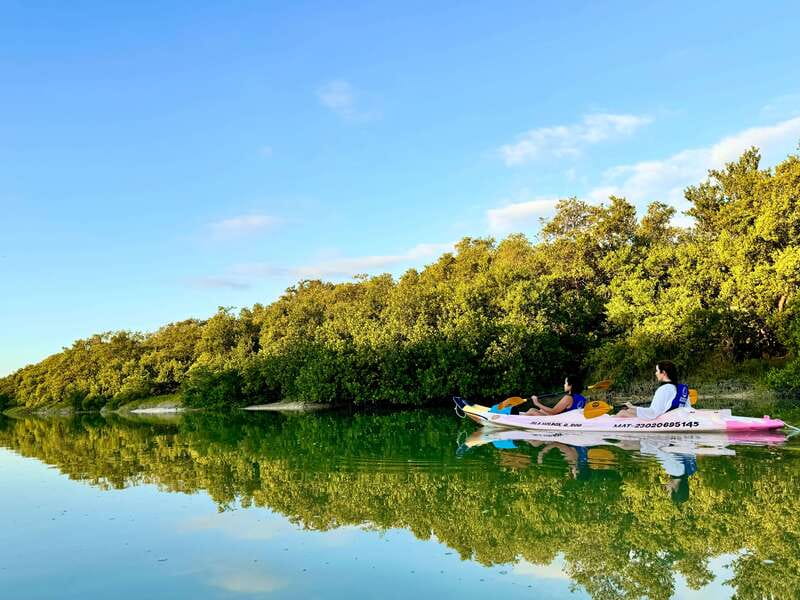
The Kuká River entrance marks the shift from open beach to protected nature. The trip takes place within the Yum Balam protected area, where mangroves form the main setting. You can see three types of mangrove along the route, and your guide explains how the plants shape the waterway and provide shelter for wildlife.
I find this part more valuable than a simple animal checklist. You learn why the mangrove matters, not just which bird is sitting on a branch. The roots and channels create feeding and resting areas, and the guide knows particular spots where wildlife is more likely to appear.
Expect pauses rather than a nonstop paddle. The guide may stop when the group can watch without disturbing an animal. At those points, you can ask about the reserve, the plants, or the species in view. The best guides keep the conversation short when sound might drive wildlife away, then explain more when the kayaks reach a quieter place.
The stillness is one of the strongest parts of this trip. Without a boat motor, you hear the paddle, the water, and the birds. That quiet also makes the outing feel less like a sightseeing circuit and more like a slow passage through a working ecosystem.
Same water, a different paddle:
- Los Cabos Arch and Playa del Amor Tour by Glass Bottom Kayak
★ 5.0 · 1,317 reviews - Kayak Expedition to the Arch of Cabo San Lucas, Lovers Beach & Snorkel
★ 5.0 · 976 reviews - Los Cabos Power snorkel Adventure, Kayaking and Stand-Up Paddle
★ 4.5 · 872 reviews - 4 Private Cenotes, Zip-Lines, Canoes & Mayan Village with Delicious Lunch
★ 5.0 · 757 reviews
Birds, flamingos, and crocodiles in the wild
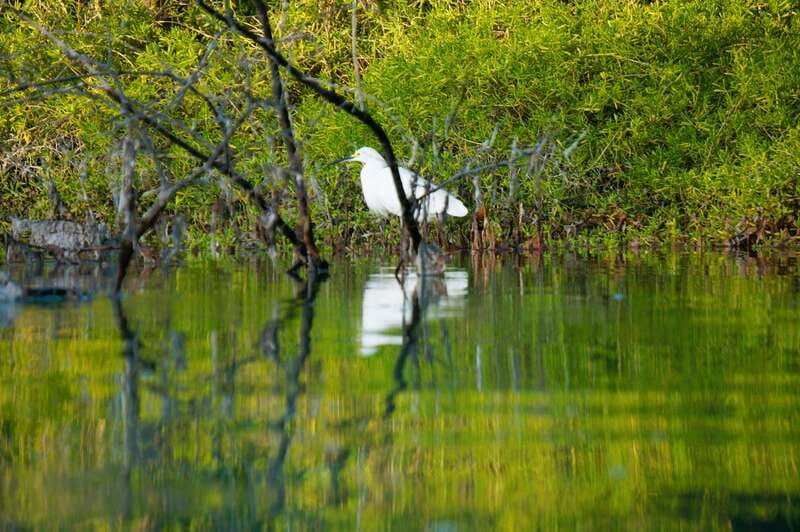
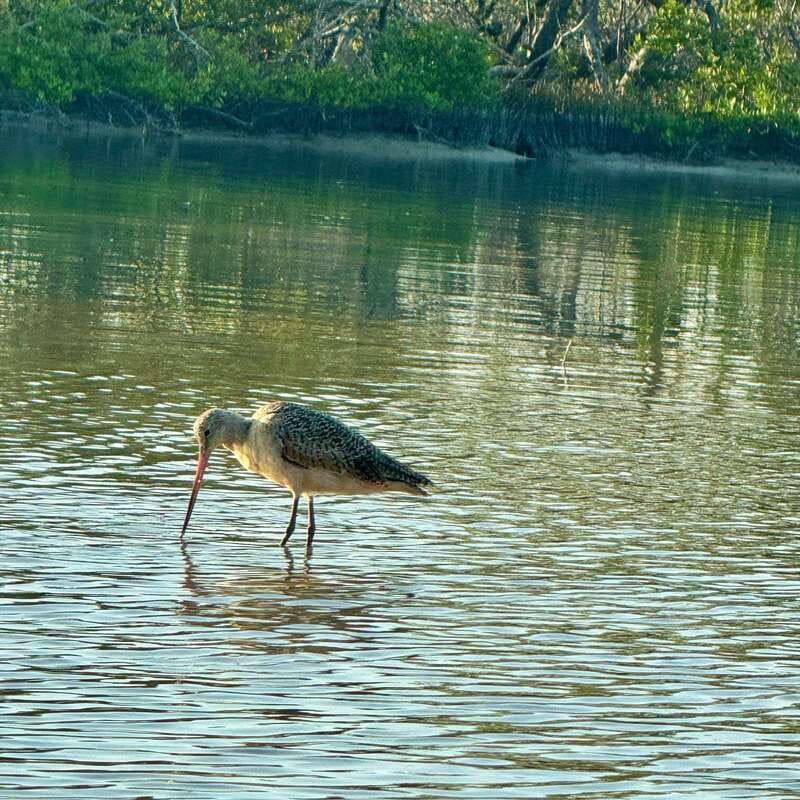
Birdlife is the most dependable reason to book this tour. The route can bring ospreys, cormorants, frigatebirds, shorebirds, herons, egrets, ibises, kingfishers, and pelicans. Migratory species vary by season, with more kinds often present in winter.
Flamingos are commonly associated with the route from May through December, but sightings are never guaranteed. Several outings have included flamingos, sometimes at a fairly close distance, while other trips have focused on different birds. Keep your expectations flexible and bring patience rather than a fixed checklist.
Crocodiles are another major draw. The guides know places where they may rest or feed, including areas where smaller crocodiles have been seen. You stay at a respectful distance, and the animals are not handled or lured for a photograph. That restraint is important. The sight of a crocodile in its own habitat is more meaningful when the animal is allowed to behave naturally.
You may see no crocodile at all, since sightings change with season and conditions. That is not a flaw in the tour. It is the tradeoff for visiting a real reserve rather than a managed enclosure. Your guide’s job is to help you notice what is there, not manufacture a close encounter.
Bring a waterproof bag for your phone and camera. The tour provides one dry bag per couple, along with life jackets, but you should not assume it will hold every personal item. Drones, large luggage, weapons, sharp objects, alcohol, and drugs are not allowed.
The snack stop inside the mangroves
At a resting point in the river, you stop for water and fruit. The snack is modest, but it makes sense after the early paddle and gives you time to sit quietly rather than rush from one sighting to the next.
Some guides also use this pause to explain the plants and the role of the mangrove. You might learn about a species you have just passed, discuss a bird you saw, or ask about crocodile behavior. The exact conversation depends on the guide and what the group has seen.
Do not expect a full breakfast or a meal. Food and drinks beyond the provided water and fruit are not included. If you need more than a light snack, eat something before pickup or plan food for after the tour.
The guide makes the difference
This is a nature tour, so the guide matters as much as the route. The strongest guides combine three jobs: they teach, they manage the kayaks, and they protect the animals from excessive attention.
Victor Hugo has been especially effective at explaining the reserve, birds, crocodiles, and mangroves while keeping the group comfortable on the water. Victor is another frequently praised guide, remembered for knowing the plants and animals and for making sure everyone feels included. Isa is described as calm and attentive, with useful paddling advice. Tomas has led the route in English and is noted for his friendly manner.
The listed languages are English, Spanish, and French. Private and small-group options are available, which can be worthwhile if you want more time for questions or prefer a quieter pace. A smaller group also makes it easier to keep noise down and stay together in narrow mangrove areas.
Guide quality can vary from one departure to the next, but the repeated focus on environmental care is encouraging. You should still ask questions and tell the guide if you are tired, unsure about your kayak, or struggling with the current.
Is $49 a good value?
At $49 per person, the price is fair for a three to 3.5-hour outing that includes hotel pickup, golf-cart transfers, equipment, water, fruit, a dry bag per couple, and downtown drop-off. You are paying for access to a part of Holbox that is difficult to reach and for a guide who can identify wildlife that you might otherwise paddle past.
The value is strongest if you care about birds, mangroves, and quiet nature. A motorboat may cover more distance, but the kayak gives you a quieter approach and a closer sense of the water. You also avoid arranging transport to Punta Mosquito on your own.
The value is weaker if your main goal is a guaranteed flamingo or crocodile photograph. Nature does not follow a schedule, and weather can change the route’s feel. You are buying a guided chance to see wildlife, not a promise of a particular animal.
Tips are not included. Food and extra drinks are also not included, and mosquito repellent is specifically left to you. Those are small costs, but they matter when planning an early morning outdoors.
Weather, fitness, and who should book
The island’s weather can shift quickly. Wind, waves, high tide, and current may make the paddle harder than expected. In case of bad weather or storms, the maritime authority can require activities to be canceled, and the operator will notify you.
You should be comfortable sitting in a kayak and paddling for most of the outing. The activity is not presented as suitable for pregnant women, people with heart problems, babies under one year, or people over 70. If you have concerns about exertion, ask before booking.
I would choose this for an early riser who wants wildlife in a natural setting and does not mind getting wet or working the paddle. It suits couples, friends, solo visitors joining a small group, and anyone who prefers a calm nature outing to a loud boat trip.
I would not choose it for someone who wants a relaxed ride with little physical effort, a guaranteed animal sighting, or a late morning start. The wake-up call is early, and the return to the beach can leave your arms tired.
Should you book the Holbox sunrise kayak tour?
I would book this tour if your priorities are quiet wildlife watching, local guidance, and a real visit to the mangroves. The strongest parts are the peaceful river, the chance to see birds and crocodiles where they actually live, and guides who explain the reserve without treating it like a photo set.
Book with realistic expectations. You may see flamingos, pelicans, or baby crocodiles, but you may also spend the morning watching herons and mangrove roots. You may enjoy an easy current one day and work hard against wind the next.
Bring insect repellent, water shoes, a hat, sunglasses, a towel, a reusable bottle, and a waterproof bag. If the forecast is good and you are willing to paddle, this is one of the better ways to meet Holbox before the streets and beaches wake up.
FAQ
How long does the Holbox sunrise kayak tour last?
The activity lasts about 3 to 3.5 hours, including transportation, the kayak outing, the snack stop, and return transfer.
What animals might I see?
You might see flamingos, pelicans, ospreys, cormorants, frigatebirds, herons, egrets, ibises, kingfishers, shorebirds, and American crocodiles. Wildlife sightings vary each day and by season.
Are crocodiles dangerous on this tour?
The crocodiles live in their natural habitat, and the guides respect their distance and space. The tour does not handle or approach them aggressively.
Is the tour suitable for beginners?
Beginners can receive paddling tips from the guide, but you should be ready for a sustained paddle. Wind, waves, current, and high tide can make the route tiring, especially before entering the river.
What does the price include?
The $49 price includes hotel pickup, golf-cart transportation, water, fruit, one dry bag per couple, life jackets, the guided kayak tour, and drop-off in downtown Holbox.
Which languages are available?
Guides may lead the activity in English, Spanish, or French.
What should I bring?
Bring sunglasses, a sun hat, a towel, comfortable clothes, insect repellent, water shoes, a reusable water bottle, and a waterproof bag. Large luggage, drones, weapons, sharp objects, alcohol, and drugs are not allowed.
Newest paddling trips we have reviewed in Mexico
- Cabo Private Catamaran: Chill Experience with Sup and Float Mat★ 4.5 · 12 reviews
- Sunrise Tour (Stand Up Paddle or Kayak)★ 5.0 · 76 reviews
- Paddle at Dawn with visit to Cenotes and Islands★ 5.0 · 68 reviews
- Private Eco-Tour on a Recreational Catamaran with Kayaks Included★ 5.0 · 75 reviews
- Private Paddleboard Experience in Bacalar★ 5.0 · 37 reviews
- Full Day Kayak Rental in Bacalar★ 4.5 · 15 reviews
- Bacalar Sunrise in Kayak★ 3.5 · 32 reviews
- 3 hr Pontoon Tour with access to Beach Club and Free Kayaks★ 5.0 · 234 reviews
Mangrove Kayaking, compared.
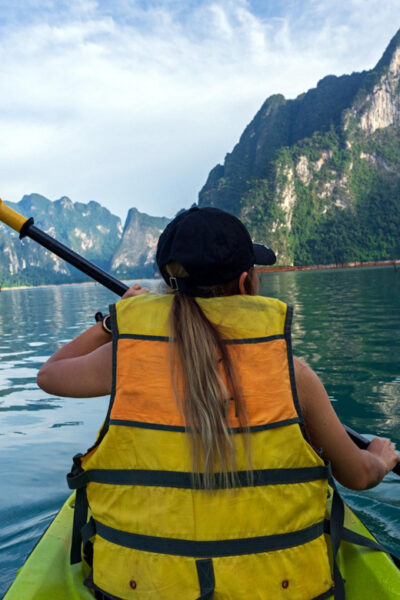
Kayak Adventure through Ao Thalane Mangrove Forest
Read our review →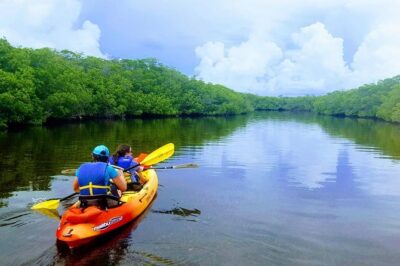
Mangroves and Manatees – Guided Kayak Eco Tour
Read our review →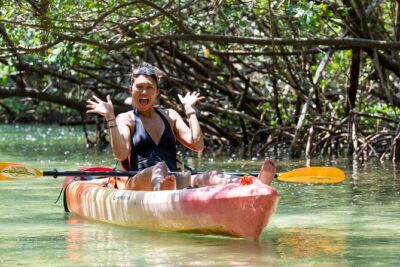
Sarasota Mangrove Tunnel Guided Kayak Adventure
Read our review →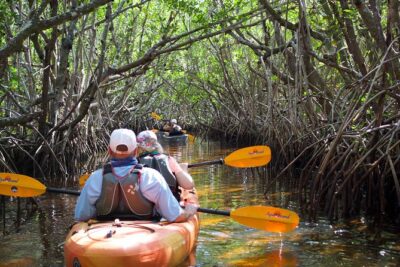
Manatees and Mangrove Tunnels Small Group Kayak Tour
Read our review →
Mangroves, Manatees, and a Hidden Beach: Kayak Tour
Read our review →
Thousand Island Mangrove Tunnel, Manatee & Dolphin Kayak Tour w/Cocoa Kayaking
Read our review →Browse the lists this tour appears in