
REVIEW · SPAIN KAYAKING TOURS
Altea: Morro de Toix Guided Kayak Excursion
The most memorable part of this Altea kayak trip is the chance to enter Cueva dels Coloms, a sea cave reached only from the water. You paddle beneath the cliffs of Morro de Toix, pass old fishing shelters cut into the rock, then stop in a clear-water cove for swimming and snorkeling.
I like the mix of active paddling and local history, especially the story of the old peixqueras fishing grounds. I also like that guide Jose Francisco Carbonell Oltra provides the equipment, photos, and video, so you can focus on the coast instead of protecting your phone. The main consideration is that this is a real sea-kayaking outing, not a passive boat ride. You need to swim, handle a kayak, and be comfortable around open water.
Key points
- Sea cave access: Enter Cueva dels Coloms directly by kayak, a place you cannot reach from the road.
- Morro de Toix cliffs: Paddle beneath dramatic rock walls and see abandoned stairs, shelters, and old fishing spots.
- Snorkeling stop: Clear water makes the final cove stop a good place to look for marine life.
- Local fishing culture: Learn about the former canyis fisheries and the remaining penya fishing stations.
- Practical inclusions: Kayaks, helmets, life vests, snorkel goggles, photos, and video are included.
- Best for active visitors: You must be at least 10, able to swim, and comfortable with a kayak.
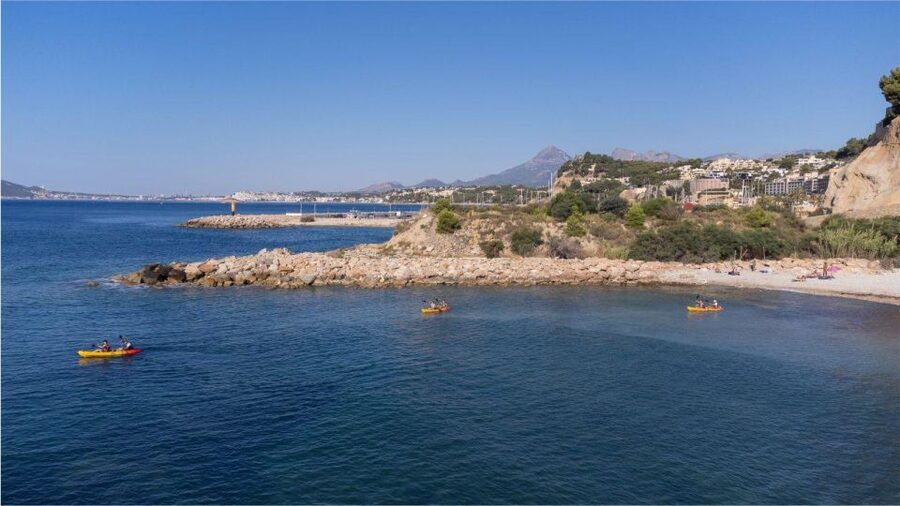
Paddling out from Altea Harbour Club
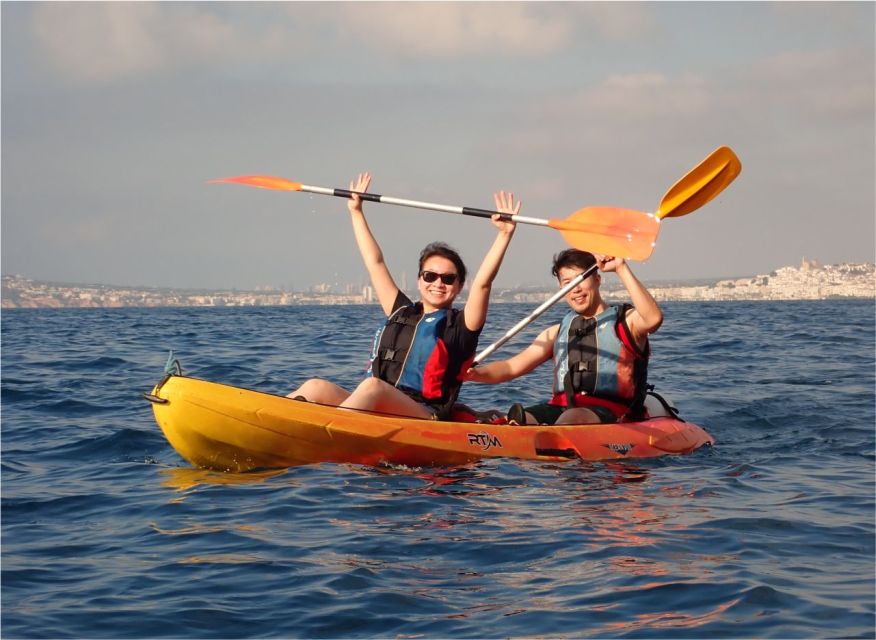
The trip begins at Altea Harbour Club, where your guide waits on the beach with a visible sign. This is useful because a waterfront club can have several access points, and you do not want to waste your short activity window searching for the launch area.
Expect a safety briefing before you set off. The advertised duration is three hours, though the route details describe the guided section and safety briefing as lasting four hours. Check the start time and exact duration when booking, especially if you have a train, lunch reservation, or another activity planned.
The sea kayak is the main way you move along the coast. This means you will share the work with your paddling partner if you are in a two-person kayak, rather than simply sitting back and taking photographs. The outing suits you best if you like a little effort with your scenery.
The included equipment covers the main needs: kayak, helmet, life vest, snorkel goggles, and related gear. You should still bring swimwear, a towel, water, water shoes, and a dry change of clothes. Water shoes are particularly useful when you get out in a rocky cove, though the exact shore conditions can vary.
More Guided Paddles in Spain:
- Nerja: Guided Kayak Tour Nerja Cliffs and Maro Waterfall
★ 4.7 · 2,916 reviews - Cabo de Gata Active. Guided kayak and snorkel route through coves of the Natural Park
★ 5.0 · 1,531 reviews - Nerja: Cliffs of Maro-Cerro Gordo Guided Kayak Tour
★ 4.5 · 923 reviews
Morro de Toix, cliffs shaped by the Mediterranean
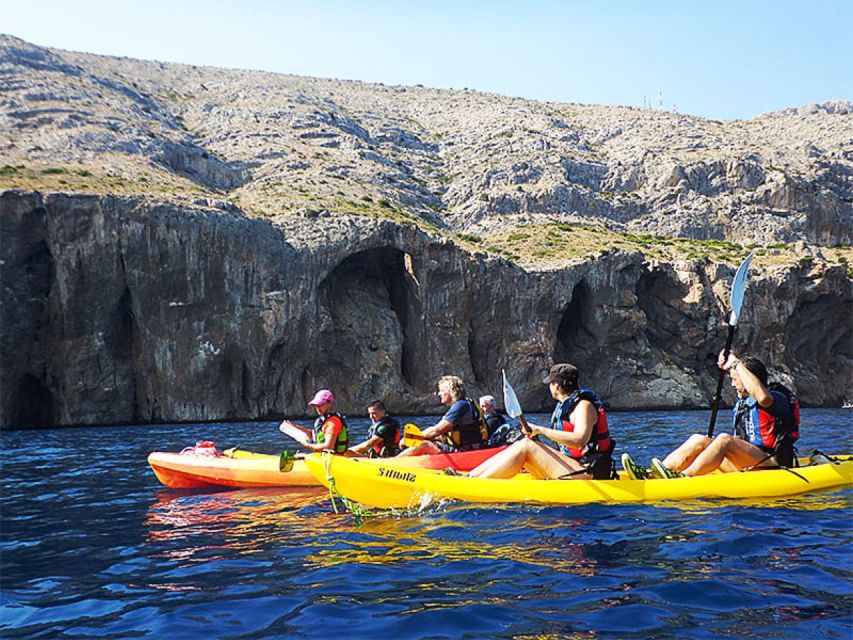
Morro de Toix is the headland that gives this outing its character. From a kayak, you see the Alicante coast at water level, where the cliffs rise directly from the sea and small openings appear along the rock. That low viewpoint makes the coast feel more three-dimensional than it does from a road or lookout.
Your guide points out the way the cliffs formed and explains the openings where the sea has worked into the rock. The setting is attractive, but the geology is what gives the route substance. You are not only paddling toward a pretty headland. You are also seeing how waves, fractures, and time have shaped the coast.
The route passes abandoned stairs and shelters embedded in the cliffs. These structures once allowed people to reach fishing stations from the rock. Some are now empty and weathered, while others can be reached only by boat and are used from time to time.
This is one of the most interesting details of the trip because it connects the scenery with daily life along the coast. The cliffs were not simply a wall between land and sea. They held working places where people took risks and used the rock to reach the fishing grounds.
The old peixqueras fishing grounds
The Morro de Toix area once had two types of fishing stations. The canyis fisheries used a reed or pole structure that hung over the water. These have disappeared, so you will not see them operating today, but the guide explains how they worked.
The penya fisheries were built into or beside the rock, and remains can still be seen along the route. Some are accessible by boat and may still be used occasionally. Looking for these fragments gives you a reason to pay attention between the larger sights.
I appreciate this part of the route because it is easy to pass a cliff and see only stone. Once you know that stairs, ledges, and shelters were part of a fishing system, the coast tells a more human story. Ask the guide to point out the remains as you paddle. They can be easy to miss if you are concentrating on steering.
The guide language is English and Spanish. Jose Francisco Carbonell Oltra leads the activity, and the route can include short explanations about the rock, fishing practices, and marine life. English communication has been described as occasionally difficult on the water, where wind, waves, and distance make conversation harder. If a point matters to you, ask him to repeat it rather than nodding along.
Entering Cueva dels Coloms by kayak
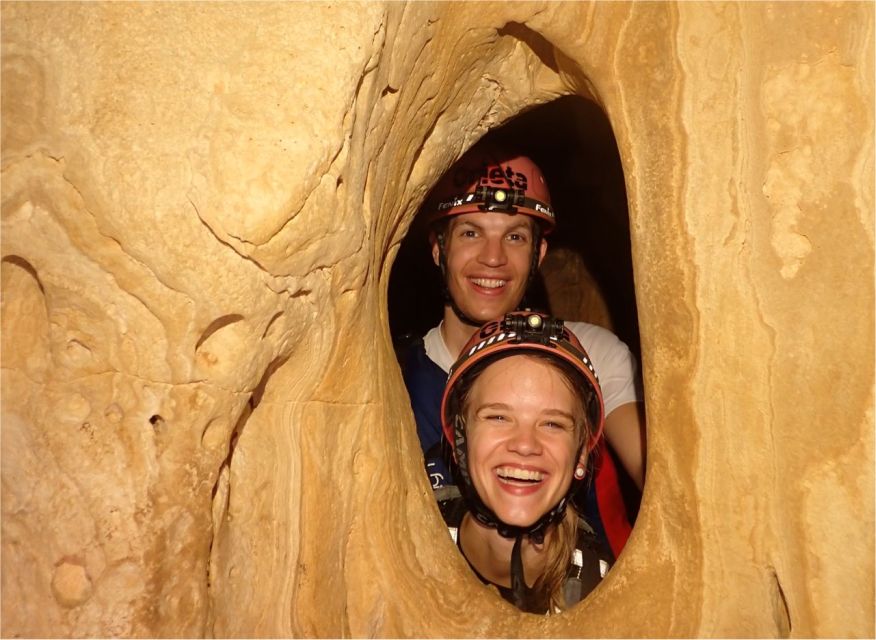
The cave is the route’s signature stop. Cueva dels Coloms can be reached only from the sea, so the kayak is not just transport. It is what makes the visit possible.
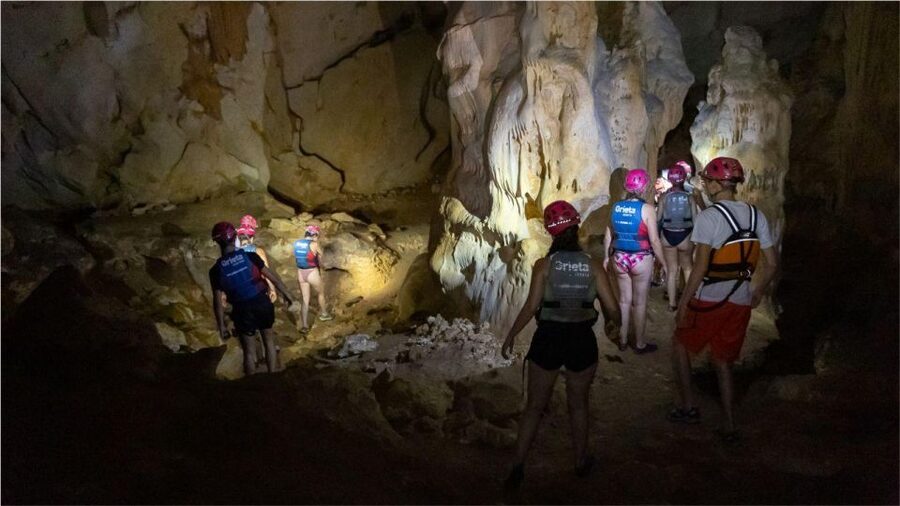
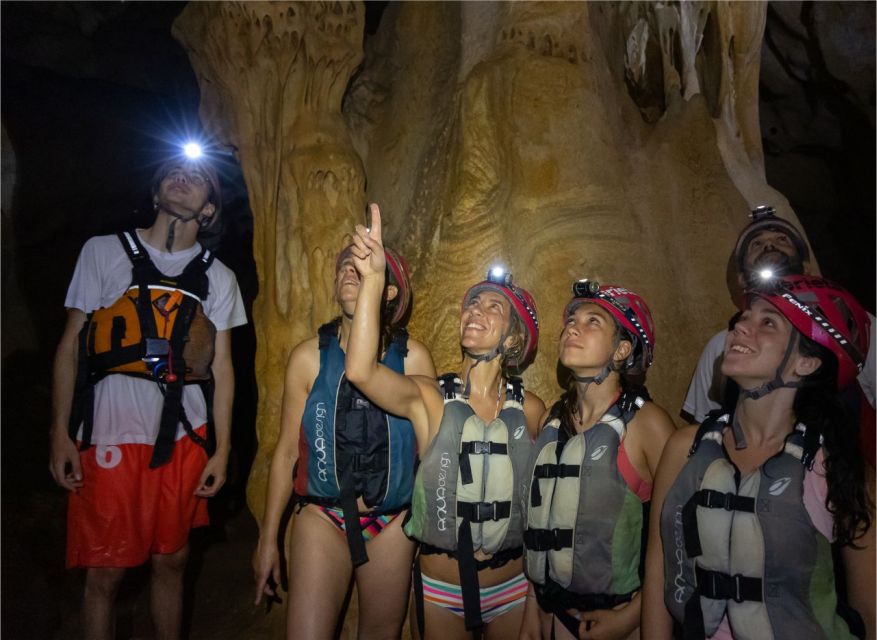
As you approach, the rock closes around the entrance and the light changes. The cave is not presented as a large, paved attraction with signs and railings. It is a natural space reached by paddling, and conditions inside depend on the sea. Your guide controls the approach and will tell you how to enter safely.
You may have the chance to crawl through parts of the cave, depending on conditions and the route on the day. This is an important practical point. The cave visit adds a sense of exploration, but it also means you should be ready to get wet and move carefully around rock.
The cave is valuable for two reasons. First, it gives you a close look at the way the sea has cut into the headland. Second, it changes the rhythm of the trip. After paddling beneath open cliffs, you move into a darker, enclosed space before returning to the bright Mediterranean.
Bring clothing that can get wet, and do not count on remaining dry simply because you are sitting in a kayak. The supplied advice to pack a change of clothes is worth following.
More Kayaking Trips in Spain:
- Tenerife: Kayak and Snorkel with Turtles, Wetsuits Included
★ 4.6 · 7,215 reviews - Ibiza Beach Hopping Cruise with Paddleboards, Drinks and Food 6h
★ 5.0 · 5,588 reviews - Barcelona Costa Brava Kayak, Snorkel & Cliff Jump Day Tour
★ 5.0 · 3,872 reviews - Ibiza: Beach Hopping Cruise w/ Paddleboard, Food, & Drinks
★ 4.5 · 3,224 reviews
A clear-water cove for swimming and snorkeling
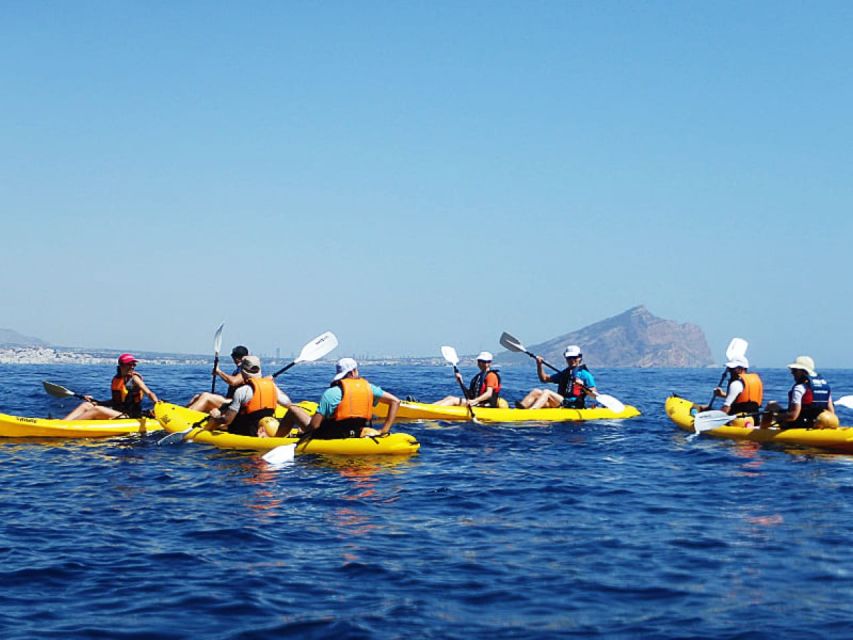
On the return route, the group stops at a cove with clear, turquoise water. The kayaks reach the shore, and you can get out for a rest and a chance to regain energy.
This is when the snorkel equipment becomes useful. The water allows you to look for marine life, and the guide can explain some of what you see. The snorkeling is not a separate reef excursion with a long underwater program. It is a refreshing stop built into a coastal paddle, so keep your expectations in line with that.
Water temperature matters. In March, one outing had water too cold for comfortable snorkeling, although wetsuits and shoes were supplied. In warmer months, the stop should be more inviting, but the weather and sea conditions still control how long you spend in the water.
The cove also gives beginners a break. Kayaking for several hours can tire your shoulders and hands, especially if you are not used to paddling. A shore stop lets you swim, stretch, and enjoy the setting without constantly keeping the kayak straight.
You should be comfortable entering and leaving the kayak in shallow water. If you are nervous about jumping from a rock, tell the guide. Jose has helped hesitant participants manage the transition back into the kayak, but you should not expect every part of the stop to be effortless.
What the guide and equipment add
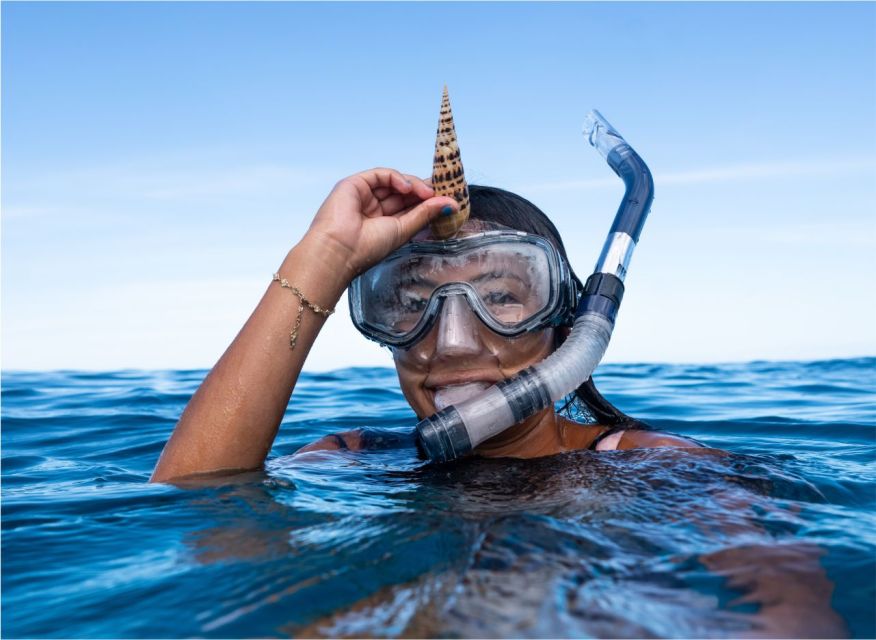
A good guide matters on a route like this because the sights are spread along the coast and the most interesting details are not obvious. Jose Francisco Carbonell Oltra provides route guidance, safety instructions, and information about the caves, rock formations, fishing grounds, and marine life.
The activity includes photos and video. That is a real benefit on a kayak trip. Your hands are occupied with the paddle, and keeping a camera dry while entering a cave or swimming from a cove is awkward. The images also let you remember the route without turning the outing into a photography session.
The equipment list includes helmets, vests, and snorkel goggles. A wetsuit and water shoes were also provided on a cool March outing, though the standard inclusion list specifically mentions the core kayaking and snorkeling equipment. Ask about seasonal equipment if you are visiting outside warm weather.
You must give your height and weight when booking so the operator can prepare suitable equipment sizes. You also need to provide each participant’s full name and ID, along with a mobile number and email address. These are small booking tasks, but handling them early helps avoid a delay at the beach.
Is $57 a fair price?
At $57 per person, the outing is priced as a guided coastal activity rather than a simple kayak rental. You are paying for the guide, safety briefing, kayak and protective gear, snorkel equipment, access to a sea cave, explanations about the fishing remains, and photos and video.
I think the price is fair if you want a structured way to see Morro de Toix. Renting a kayak on your own might give you freedom, but it would not provide the same help with the cave, the local fishing sites, or the route between the cliffs and cove. It would also leave you responsible for safety and navigation.
The value is strongest for first-time sea kayakers and for visitors who want context along with scenery. Experienced paddlers may find the route straightforward, but they can still enjoy the cave, snorkeling stop, and coastal views.
Food and drinks are not included. Bring your own water, and plan something to eat before or after the trip. A snack is sensible if you tend to get hungry during active outings, but the supplied information confirms only that food and drinks are excluded, not that storage or eating during the paddle is available.
Getting to the meeting point from Alicante
Altea is outside Alicante city, so allow extra time if you are staying there. One account of the trip describes taking a tram from Alicante in about an hour, followed by roughly an hour walking to the meeting point. That route worked with careful timing, but the walk was longer than expected.
Do not copy that plan without checking the current route and meeting instructions. Altea Harbour Club is the fixed meeting point, and the guide waits at the beach, but public transport schedules and walking directions can change. If you arrive by tram or another connection, build in a buffer.
The trip ends back at Altea Harbour Club. That makes the activity easier to combine with time in Altea, since you do not need to arrange a separate return from another cove or harbor.
Who should book this Altea kayak trip?
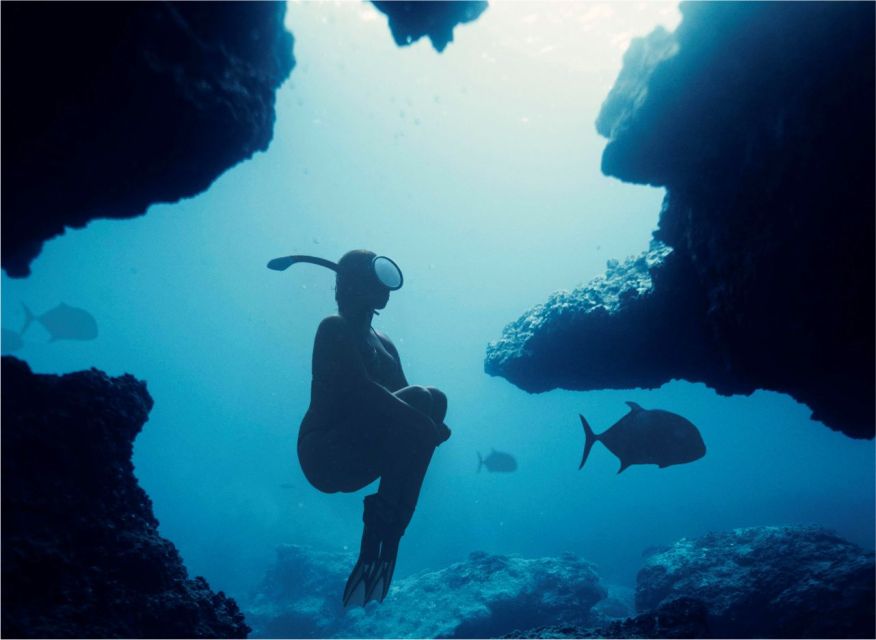
This outing is a good fit if you can swim, are at least 10 years old, and like an active morning or afternoon outdoors. It is particularly appealing if you want more than a standard beach stop. The cave, cliff shelters, and fishing history give the trip a clear sense of place.
It also works well for a mixed-experience group. A seasoned kayaker can enjoy the route and scenery, while a beginner can receive instruction and support from the guide. Still, every participant needs to help paddle and manage the kayak.
The trip is not suitable for non-swimmers, pregnant women, or children under 10. It may also be a poor choice if you strongly dislike getting wet, moving around rock, or being exposed to changing sea conditions.
Communication may be a consideration if you need detailed information in English. The tour is offered in English and Spanish, but sound carries poorly over water. Jose is described as patient and helpful, yet you may need to ask for a point to be repeated.
The operator allows free cancellation up to 24 hours before the activity for a full refund, and you can reserve now and pay later. Those terms are useful if your coastal plans depend on weather, but confirm the exact booking conditions at the time you reserve.
Should you book it?
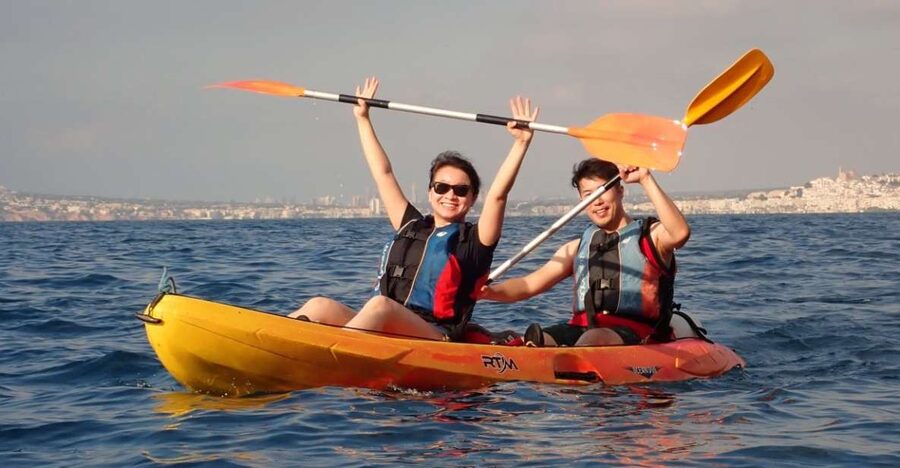
Book this trip if you want to combine kayaking, a sea cave, snorkeling, and local fishing history in one outing. The strongest parts are the approach to Cueva dels Coloms, the old peixquera remains, and the clear-water cove. The included equipment and photos make the $57 price easier to justify.
Think twice if you want a relaxed boat tour, cannot swim, or have a tight schedule after the activity. Also check the exact duration, since the information gives both three hours and a four-hour route description.
For an active visit to the Altea coast, I would book it, pack a dry change of clothes, and leave more travel time than you think you need. The route offers scenery, but its best moments come from getting close to the rock and hearing how people once worked these cliffs.
FAQ
Where does the kayak tour start?
The tour starts at Altea Harbour Club. Your guide waits on the beach holding a visible sign.
Where does the activity finish?
The activity ends back at Altea Harbour Club, the same place where it begins.
How long does the kayaking experience last?
The activity is advertised as lasting three hours. The route details describe the guided tour and safety briefing as four hours, so check the exact duration and starting time when booking.
What languages does the guide speak?
The live guide service is available in English and Spanish.
Is snorkeling included?
Yes. Snorkel goggles and related equipment are included, and the route stops at a clear-water cove for snorkeling and swimming.
What should I bring?
Bring swimwear, a towel, water, water shoes, and a change of clothes. You should expect to get wet.
Who cannot take part?
The activity is not suitable for children under 10, pregnant women, or non-swimmers.
Newest paddling trips we have reviewed in Spain
- Paddle Surf in Cantabria★ 4.5 · 21 reviews
- Kayak Route + Snorkel in Cantabria★ 4.5 · 9 reviews
- Moonlight Kayak with Dinner Included★ 4.5 · 6 reviews
- Route in Kayak Moraira★ 5.0 · 28 reviews
- Paddle Board Paradise: Magical Snorkel & Cave Exploring SUP Tour★ 5.0 · 10 reviews
- Kayak routes through the Coves of Villajoyosa★ 4.5 · 42 reviews
- Small Group Paddle Surf Experience in Benidorm★ 4.0 · 7 reviews
- Kayak route through Cala Granadella★ 5.0 · 27 reviews
Spain Kayaking Tours, compared.
Kayak and Snorkel with Turtles, Wetsuits Included
Read our review →
Ibiza Beach Hopping Cruise with Paddleboards, Drinks and Food 6h
Read our review →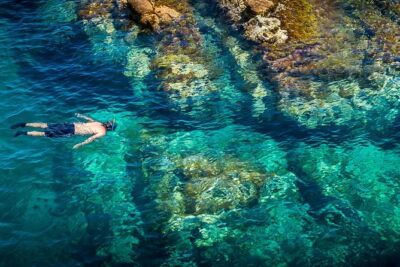
Barcelona Costa Brava Kayak, Snorkel & Cliff Jump Day Tour
Read our review →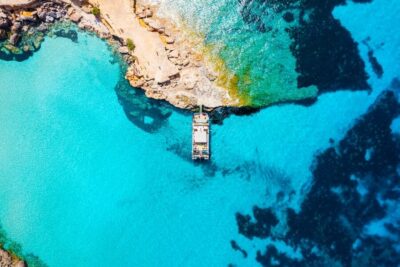
Beach Hopping Cruise w/ Paddleboard, Food, & Drinks
Read our review →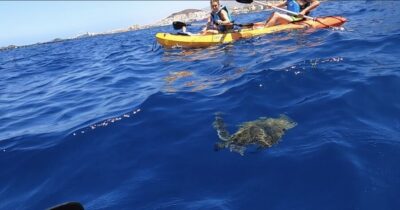
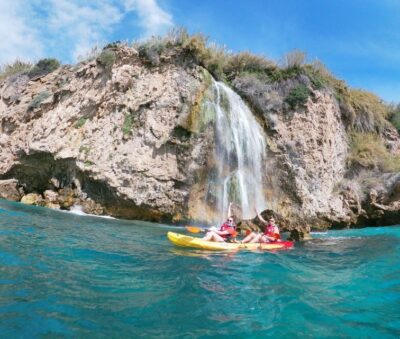
Guided Kayak Tour Nerja Cliffs and Maro Waterfall
Read our review →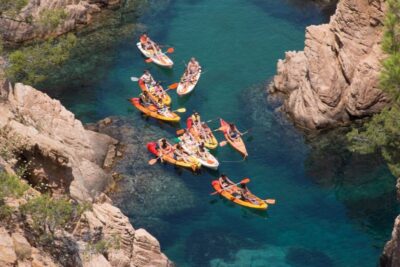
Costa Brava Kayak, Snorkel & Cliff Jump & Lunch
Read our review →
Browse the lists this tour appears in