
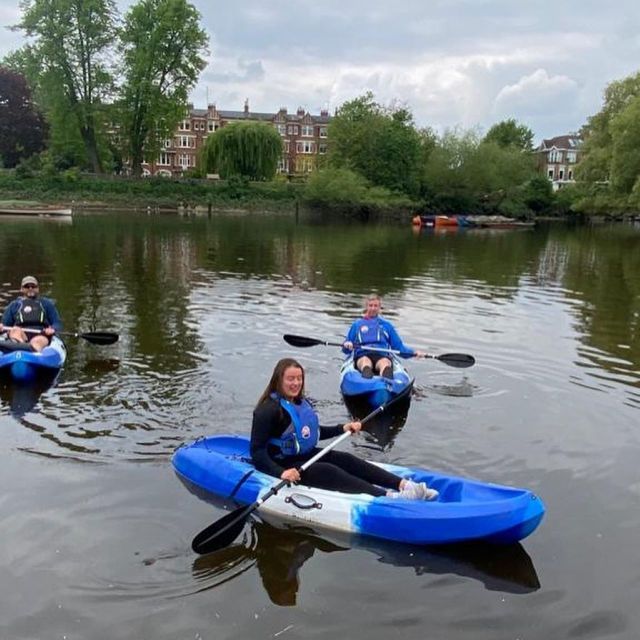
REVIEW · UK KAYAKING TOURS
Group Kayak Experience on the beautiful Thames at Richmond
Richmond gives you a rare chance to learn kayaking on a beautiful, historic stretch of the Thames without leaving Greater London. You begin beneath Richmond Bridge, get a clear safety lesson, then paddle in a stable sit-on-top kayak with a group capped at six people. The route changes with the tide, which keeps the outing practical rather than rigid.
I like the small group size, since an instructor can keep a close eye on beginners and still help stronger paddlers improve. I also like the useful training in steering, stopping, navigation, and self-rescue, not just a quick paddle with little instruction. The main consideration is the lack of changing or shower facilities, so arrive dressed to paddle and pack carefully.
Key points to know before you book
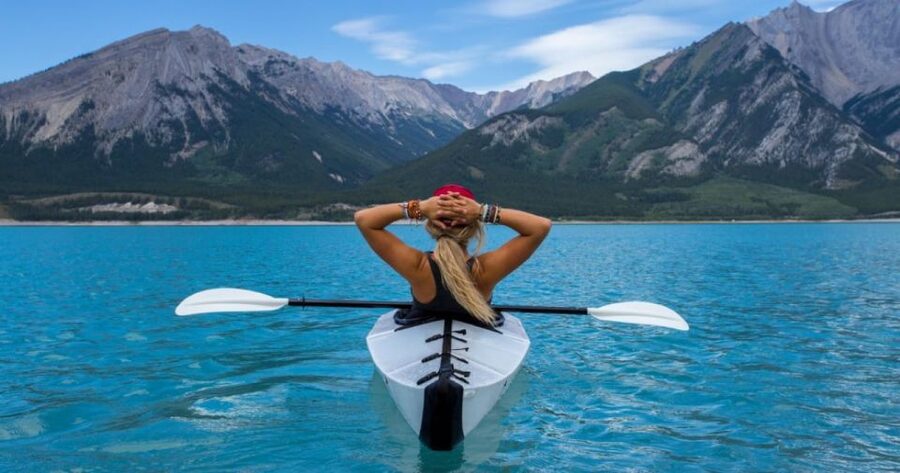
- Start beneath Richmond Bridge: Meet at the arch beside the boathouses, then finish at the same spot.
- Spend 15 to 20 minutes learning ashore: The briefing covers equipment, river safety, navigation, paddle strokes, and self-rescue.
- Paddle a tide-dependent route: You may head toward Eel Pie Island and Teddington, or toward Richmond Lock, Kew Gardens, and Chiswick.
- Use a sit-on-top kayak: The design is intended to feel safe and approachable for both beginners and experienced paddlers.
- Keep the group intimate: No more than six participants share the two-hour session.
- Plan for limited facilities: Bring a towel, waterproof bag, suitable clothing, and biodegradable sunscreen. There are no showers at Richmond.
Why Richmond is a fine place to learn kayaking
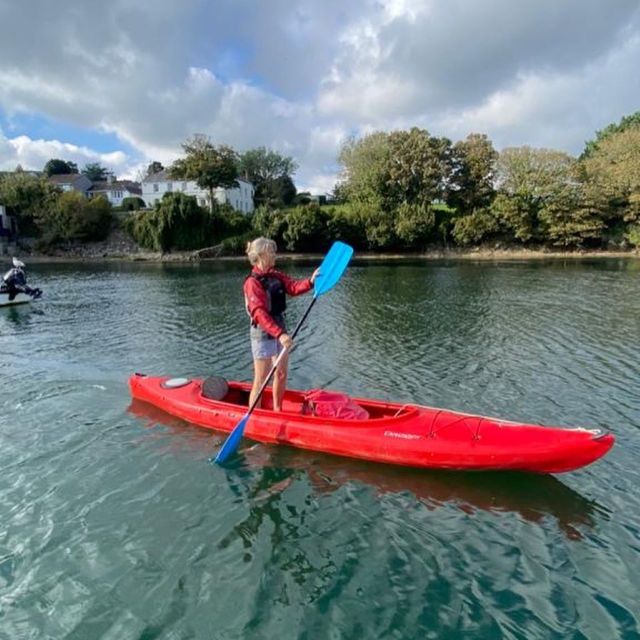
The best part of this session is its setting. Richmond offers a broad, scenic stretch of the Thames where you can learn a new skill while moving through a changing river scene. You are not confined to a pool or a short artificial course. The river gives the lesson a sense of purpose, but the format remains manageable for someone holding a paddle for the first time.
The meeting point under Richmond Bridge is easy to picture and easy to find once you reach the river. You meet beside the boathouses, close to the bridge arch, then return there at the end. That fixed start and finish keeps the logistics simple, especially if you are fitting the outing into a day in Richmond.
I also appreciate that the route is not sold as one fixed sightseeing track. The instructor decides the direction with the tide and the conditions in mind. That means you should not book this expecting to reach every named place in one session. Instead, expect a paddle chosen for the river on that particular day.
More Kayaking Trips in the UK:
- Pontcysyllte Aqueduct Canoe Tours in Llangollen
★ 5.0 · 2,229 reviews - Canoe Trip Over the Pontcysyllte Aqueduct
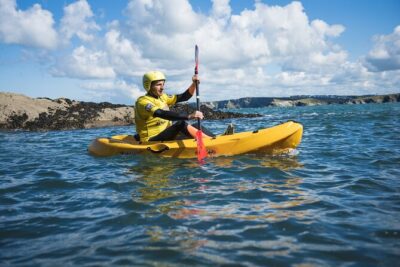
★ 5.0 · 258 reviews - Sea Kayak Lesson & Tour in Newquay
★ 5.0 · 189 reviews
The first 15 to 20 minutes: learning beside the river
Your session begins on the riverbank or on a pontoon near Richmond Bridge. This land-based introduction usually takes 15 to 20 minutes, with the exact time affected by group size. Since the group is limited to six, the instructor has a reasonable chance to answer questions and correct basic technique before you set off.
You are introduced to the kayak and other equipment, then shown how to paddle, steer, and stop. The instructor also covers safety and navigation on the river. These details matter more here than they would on a small, calm pond because the Thames is a working waterway with changing conditions.
Self-rescue is another useful part of the briefing. The session does not simply tell you to stay upright. You learn what to do if you lose balance or end up in the water. That can make a first paddle feel less intimidating, even though you still need to take the river seriously.
I would pay attention during this part rather than treating it as a formality. Ask about how the tide affects the route, how to keep your kayak straight, and what the instructor wants you to do if you need help. A few focused minutes here can make the time on the water much more relaxed.
Sit-on-top kayaks and the beginner question
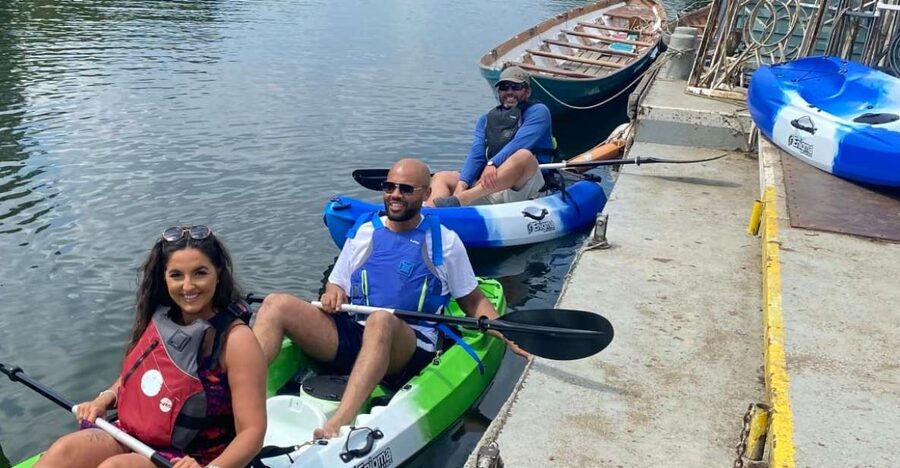
The kayaks are sit-on-top models described as super-safe and suitable for beginners as well as advanced paddlers. A sit-on-top kayak is generally approachable because you are not enclosed inside a cockpit. For a first session, that open design can make getting in and out feel less daunting.
Still, safe equipment does not remove the need for sensible preparation. You may be splashed, and you may fall in. Wear clothing that can handle water and changing weather, and cover any open cuts before you paddle. If you fall in or are heavily splashed, you need to wash thoroughly after the session.
The format suits mixed ability groups better than a high-speed excursion would. A beginner can focus on balance and direction, while an experienced paddler can work on cleaner strokes and better control. The instructor can adjust the teaching within the small group, though the pace may not satisfy someone hoping for an intense athletic workout.
The most useful expectation is simple: this is a lesson and a river outing, not a race. You will spend part of the two hours learning, then put those skills to work on the Thames.
Choosing the river direction with the tide
After the briefing, the group heads onto the river. The direction depends on tide and conditions. You may paddle upstream toward Eel Pie Island and Teddington, or downstream toward Richmond Lock, Isleworth, Kew Gardens, and Chiswick.
The upstream option can take you toward Eel Pie Island, a distinctive island community on the Thames, and onward toward Teddington. The outing may not cover all of that distance, since wind and tide affect how far you can go. The important point is that the river itself sets the pace.
The downstream route offers a different view toward Richmond Lock, Isleworth, Kew Gardens, and Chiswick. Again, the names describe possible directions, not guaranteed stops. You should treat them as a guide to the part of the river you might see rather than a promise of a long-distance tour.
The distance covered varies on the day. Wind and tide can help or slow the group, and safety takes priority over reaching a particular landmark. I see this as a strength for a beginner session, even if it requires flexible expectations. A fixed route can sound attractive, but a route chosen for real conditions is the wiser approach on a tidal river.
Same water, a different paddle:
- Paddleboarding Around Newquay’s Coastline
★ 5.0 · 117 reviews - Llangollen: Aqueduct Kayak or Canoe Cruise
★ 4.7 · 116 reviews - Bristol Paddleboarding Tour
★ 5.0 · 92 reviews - Small Group Pontcysyllte Aqueduct Canoe Trip
★ 5.0 · 91 reviews
What you can learn on the water
Once you leave the bridge, you get to apply the basics right away. Steering teaches you how small changes in paddle angle affect the kayak. Stopping helps you control your position rather than simply drifting forward. Navigation gives the lesson a wider purpose, since you are learning how to move responsibly on the river.
The instructor is there to keep the session moving while helping with technique. The English-language tuition has received particularly strong praise, with Peter, Nigel, Harry, and Sarah each singled out for clear, professional instruction at different sessions. That matters because a good explanation can save a beginner from frustration in the first few minutes.
You should expect corrections that are practical rather than highly technical. The aim is to guide you into a workable rhythm, help you point the kayak where you intend, and show you how to respond if something goes wrong. The self-rescue practice also gives you a better idea of how to recover rather than panic.
There is a pleasant balance here. You get a guided tour of the river, but the session does not turn into a commentary-heavy sightseeing cruise. The river remains the focus, and the skills you learn are what make the outing worthwhile.
The scenery and the pace of the Thames
Richmond is one of the more appealing places around London to spend time on the water. From a kayak, you experience the Thames at water level, with the bridge, boathouses, riverbank, and distant sights forming part of the route. The view changes according to the direction of travel and the tide.
Do not expect a long expedition. Two hours includes the safety briefing and land training, leaving roughly 100 to 105 minutes for the water if the introduction takes the usual amount of time. That is enough for a substantial first session, but not enough to explore every possible destination listed along the river.
I think the pace makes the experience work well for a half-day plan. You can book it as the main activity in Richmond, then continue with other plans nearby. Since transport is not included, you need to make your own way to the bridge, but the end point is the same as the start, which avoids a complicated return journey.
The tide adds an element of uncertainty. The route may be shorter or longer than you imagine, and the conditions can influence how hard you work. If you want a guaranteed distance or a carefully timed sightseeing itinerary, this may feel too flexible. If you enjoy an outdoor activity that responds to the day, the changing route is part of its appeal.
Price, group size, and what you receive
At $87.55 per person, this is not a cheap way to spend two hours on the river. The price makes more sense when you consider what is included: instruction, a safety briefing, equipment, and a guided river tour. You are paying for supervised access to kayaking equipment and a structured introduction, not simply for boat hire.
The group limit of six improves the value. A large class can leave a new paddler waiting for help, while six people give the instructor more room to watch technique and answer questions. The smaller format also makes the experience feel less anonymous.
I would compare this price with what you want from the session. If you already own a kayak and know the Thames well, hiring equipment independently might be cheaper, though that is not offered as part of this activity. If you are new to kayaking, the instruction and safety practice are the main reasons to pay for a guided session.
Food, drinks, and transportation are not included. Bring your own water and make your own way to Richmond Bridge. The price is strongest for people who value tuition and reassurance, not for someone seeking the lowest-cost river outing.
Clothing, bags, and the no-shower warning
Preparation matters here. Wear the clothes you intend to paddle in because there is very limited space for changing. Bring weather-appropriate clothing, biodegradable sunscreen, a towel, and a waterproof bag for items that must stay dry.
The waterproof bag is especially practical for a phone, wallet, keys, and other small essentials. Keep your packing light. You are going onto a kayak, not checking into a changing room.
There are no shower facilities at Richmond. If you fall in or are splashed, you need to shower or wash thoroughly after the session. You also need to cover open cuts. These are easy details to overlook when the forecast looks good, but they should shape what you wear and what you arrange for afterward.
I would also avoid carrying anything you cannot afford to get wet. The open kayak design is beginner-friendly, but it does not create a dry, enclosed space. A towel at the end is not optional comfort. It is sensible planning.
Who will enjoy this Richmond paddle most
This session is a good fit if you are new to kayaking and want proper instruction before heading onto the river. The safety briefing, equipment introduction, and self-rescue guidance give you a clear starting point without demanding prior experience.
It also suits a capable paddler who wants a short guided outing on the Thames. The instructor can help refine steering and control, while the tide-dependent route keeps the trip connected to actual river conditions.
The six-person limit works well for couples, friends, or small family groups who want a shared activity. It can also suit a solo participant who prefers a small class to a crowded tour.
I would hesitate to recommend it to anyone seeking a long-distance paddle, guaranteed visits to Kew Gardens or Teddington, or a fully dry experience. You should also reconsider if you need generous changing facilities or want food and transport included. The session is simple, outdoorsy, and practical. Its value depends on being comfortable with those limits.
Cancellation and booking flexibility
You can cancel up to 24 hours before the session for a full refund. The reserve-now-and-pay-later option also helps if your London plans are still shifting. Since the starting times vary, check availability before arranging the rest of your day.
The instructor speaks English, and the group is limited to six participants. The session returns to the meeting point beneath Richmond Bridge, so you do not need to arrange a separate pickup at the end.
Should you book the Paddle Richmond experience?
Book it if you want a well-organized first taste of kayaking, a small group, and a scenic Thames setting. The strongest reasons are the careful introduction to safety and technique, the stable sit-on-top kayaks, and the instructors praised by name for clear and professional help, including Peter, Nigel, Harry, and Sarah.
Skip it if your priority is a cheap rental, a guaranteed route, or a full day on the water. At $87.55, the price is justified by tuition, equipment, and supervision rather than distance covered. For a two-hour introduction with a flexible route and a close-knit group, it is a sensible Richmond activity, provided you arrive ready to get wet and do not expect a shower afterward.
FAQ
Where does the kayaking session start?
Meet at the arch under Richmond Bridge, right beside the boathouses.
Where does the activity finish?
The session ends back at the meeting point beneath Richmond Bridge.
How long does the kayaking experience last?
The full activity lasts two hours. The starting time varies, so check availability when booking.
Is the session suitable for beginners?
Yes. The session is designed for beginners and also suits advanced paddlers.
What type of kayak will I use?
You will use a sit-on-top kayak.
What does the safety briefing cover?
The briefing introduces the equipment and covers river safety, navigation, paddle techniques, steering, stopping, and self-rescue.
Which parts of the Thames might I visit?
Depending on the tide, you may paddle upstream toward Eel Pie Island and Teddington, or downstream toward Richmond Lock, Isleworth, Kew Gardens, and Chiswick.
Are food, drinks, and transportation included?
No. Food, drinks, and transportation are not included.
Are showers or changing facilities available?
There are no shower facilities at Richmond, and changing space is very limited. Arrive wearing the clothes you plan to paddle in, and bring a towel.
Newest paddling trips we have reviewed in the UK
- Giants Causeway Coast Sea Kayaking★ 5.0 · 12 reviews
- Torquay: Guided Wildlife, Bushcraft, Sea Cave Kayak Safari★ 4.6 · 32 reviews
- Stand Up Paddle Boarding in Aberfeldy★ 5.0 · 12 reviews
- Tenby: Guided Kayaking Adventure★ 4.8 · 22 reviews
- Stackpole Quay: Paddle Boarding Tour★ 4.9 · 13 reviews
- Pembrokeshire: Paddle Boarding At Tenby North Beach★ 4.9 · 10 reviews
- Paddleboard Experience on the beautiful Thames at Richmond★ 5.0 · 7 reviews
- Norwich: Norfolk Broads Stand-up Paddleboard Rental★ 5.0 · 8 reviews
UK Kayaking Tours, compared.
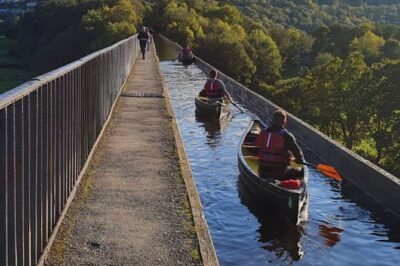
Pontcysyllte Aqueduct Canoe Tours in Llangollen
Read our review →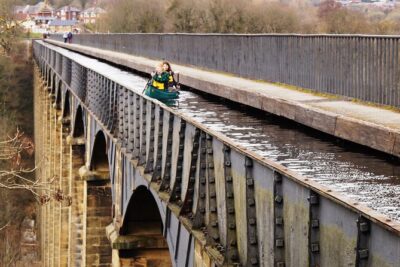
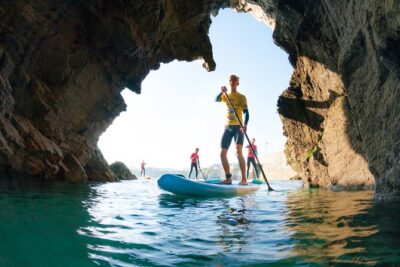
Giant Stand Up Paddle Boarding Experience in Newquay
Read our review →Browse the lists this tour appears in